

Machining, Forming & Fabrication Solutions
Metalworking & Metal Fabrication Machines
Metalworking solutions for machining, cutting, drilling, grinding, bending, forming and production applications, selected according to the part, material, process, accuracy and required output.
Types in this category
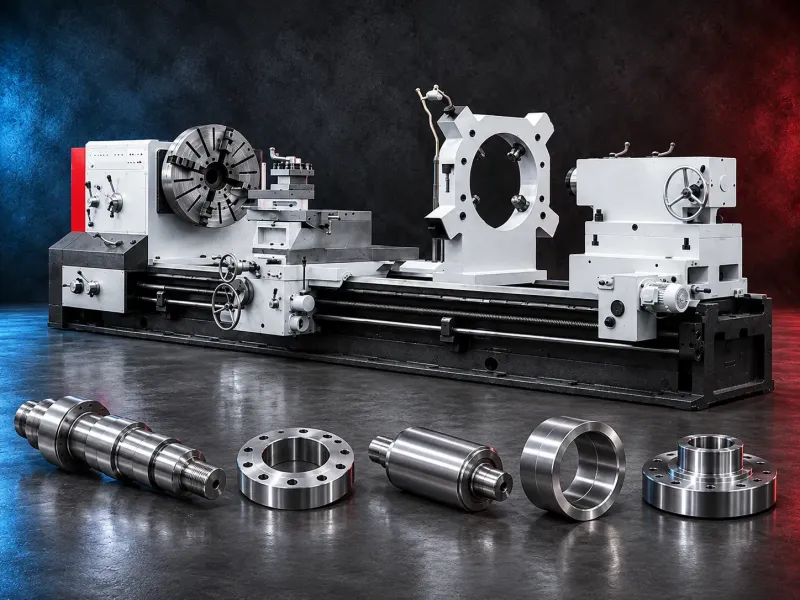 Heavy-Duty Gap-Bed LathesHeavy-duty conventional lathes for turning large-diameter, long, and heavy rotational components. The gap-bed design provides additional swing near the headstock for suitable short workpieces.
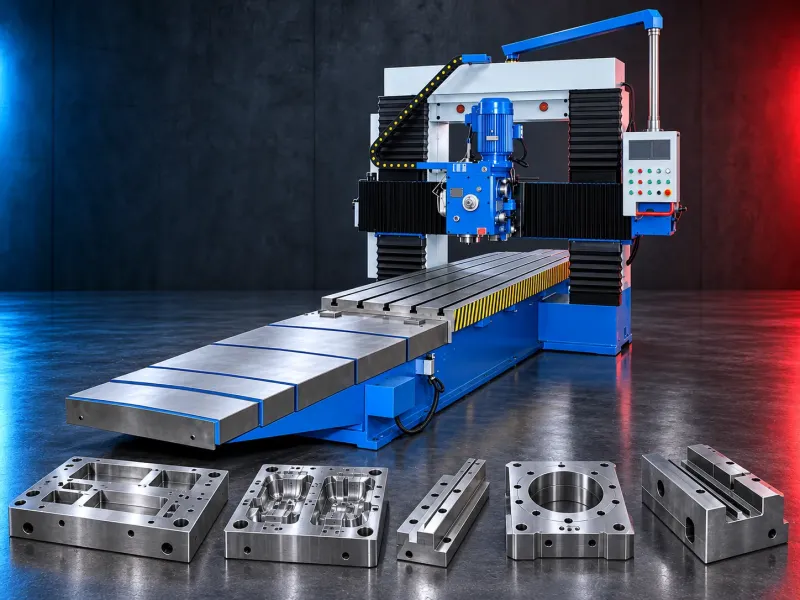 Gantry Type Milling MachineA gantry-type milling machine provides an open working area for machining suitable large or heavy components. Selection depends on workpiece dimensions, weight, material, required operations, tolerances, finish, and production requirements.
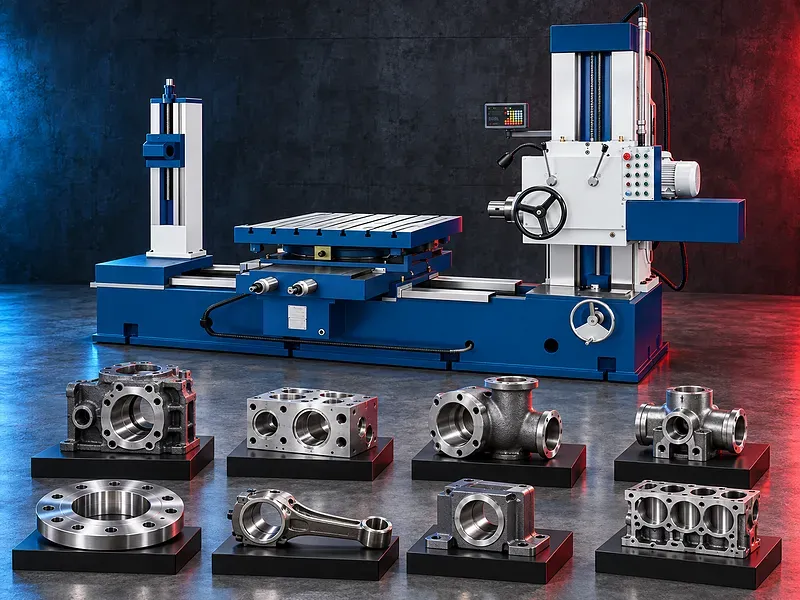 Boring MachineA boring machine for drilling, enlarging, finishing, and aligning suitable holes in individual parts and small production batches. The correct model depends on workpiece size, material, hole diameter, depth, tolerance, surface finish, setup, tooling, and required output.
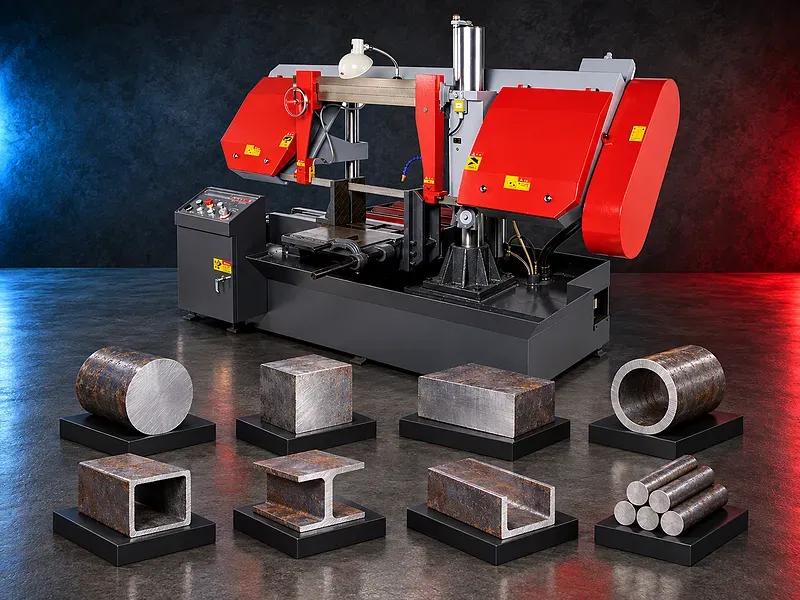 Double Column Horizontal BandsawA horizontal bandsaw with a double column guide structure for controlled cutting of suitable metal bars, tubes, profiles, and billets. The correct model depends on material, section shape, cutting size, bundle arrangement, required finish, batch pattern, automation, and target output.
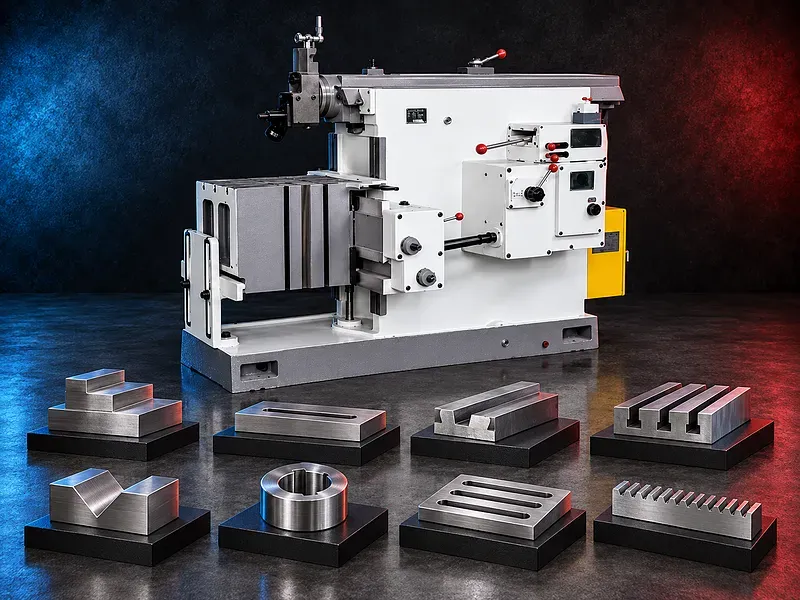 Mechanical Shaping MachineA mechanical shaping machine for machining suitable flat surfaces, steps, slots, keyways, and selected angular features with a reciprocating single point cutting tool. The correct model depends on workpiece size, material, stroke requirement, table capacity, feature geometry, finish, tolerance, and production pattern.
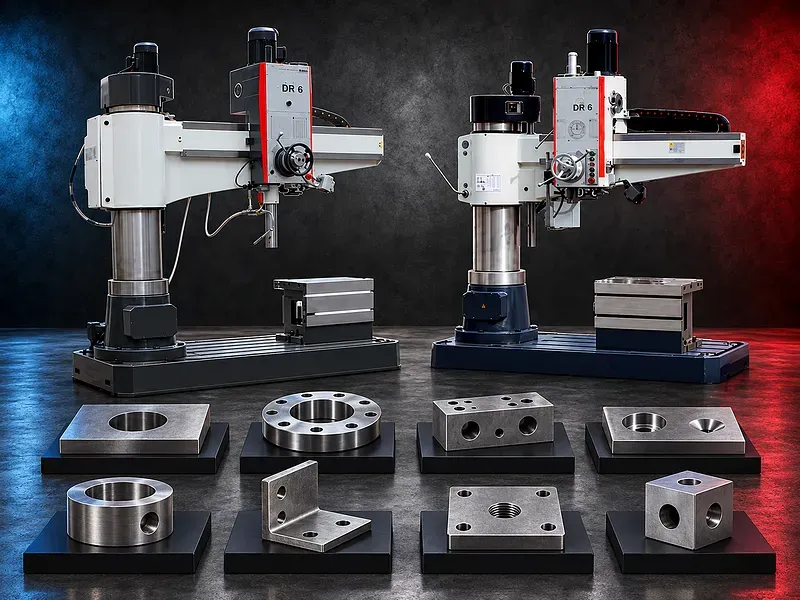 Radial Drilling MachinesRadial drilling machines position the drilling head along an adjustable arm so suitable holes can be machined at different locations on large or difficult to reposition workpieces. The correct model depends on material, workpiece dimensions, drilling diameter, reach, spindle travel, tooling, tolerance, and production requirements.
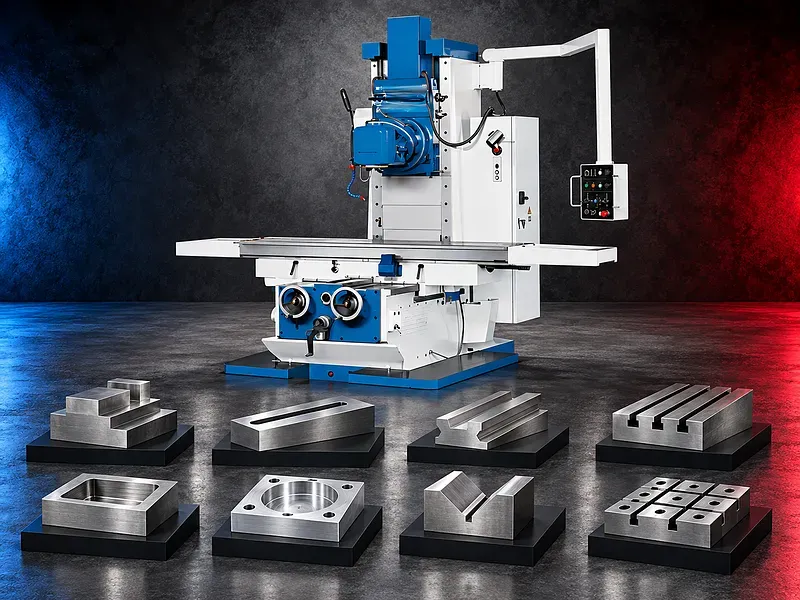 Heavy Vertical Knee MillA vertical knee type milling machine for machining suitable faces, slots, pockets, shoulders, steps, and other accessible features on workshop components. The correct model depends on workpiece size, weight, material, travels, spindle, tooling, tolerance, finish, and production pattern.
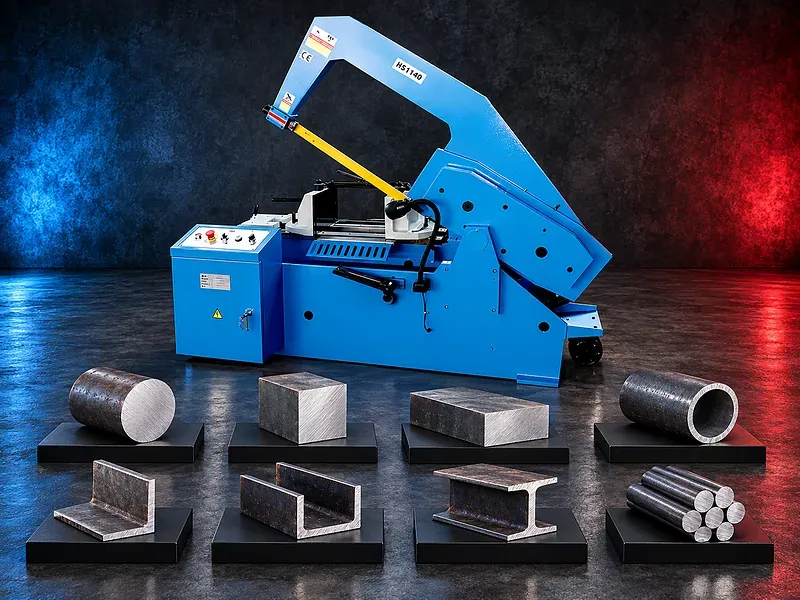 Horizontal BandsawA horizontal bandsaw for controlled straight or supported angle cutting of suitable metal bars, tubes, profiles, and billets. The correct configuration depends on material, hardness, section shape, cutting capacity, angle requirement, batch size, loading, automation, and target output.
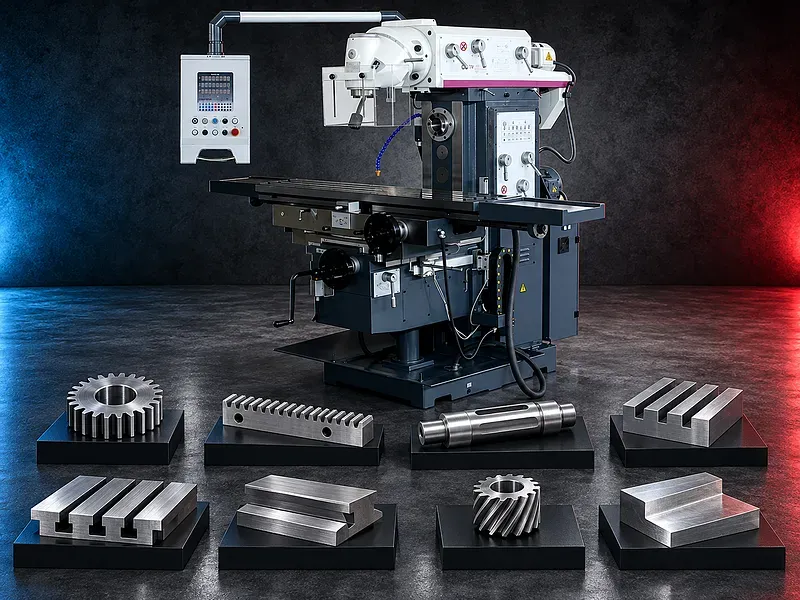 Universal Horizontal Mill DROA universal horizontal milling machine with a digital readout for machining suitable faces, slots, grooves, gears, helical features, and other accessible workshop components. The correct model depends on workpiece size, material, table movement, swivel requirements, spindle, arbor tooling, tolerance, finish, and production pattern
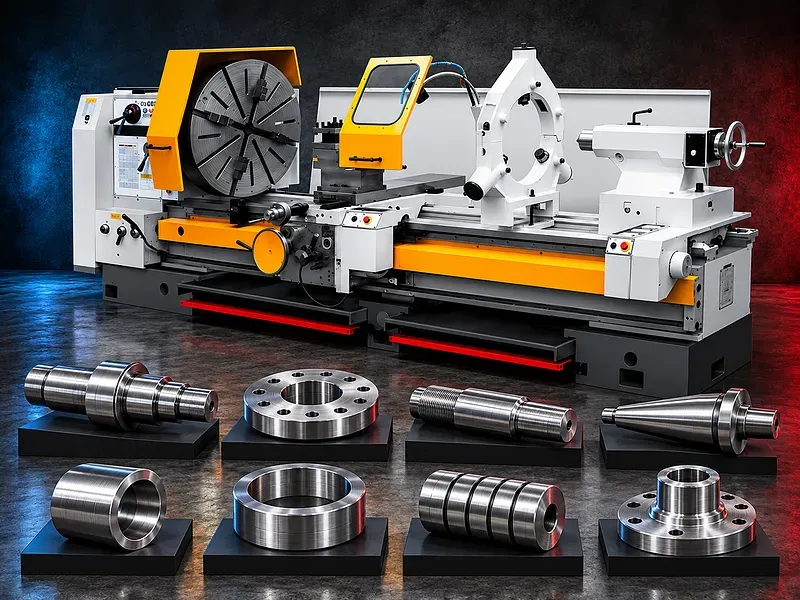 Heavy Duty Gap Bed LatheA conventional gap bed lathe for turning suitable shafts, flanges, sleeves, discs, and workshop components, with additional diameter clearance near the headstock when the verified gap section is removed. The correct model depends on diameter, length, weight, spindle bore, material, operation, tolerance, finish, and production pattern.
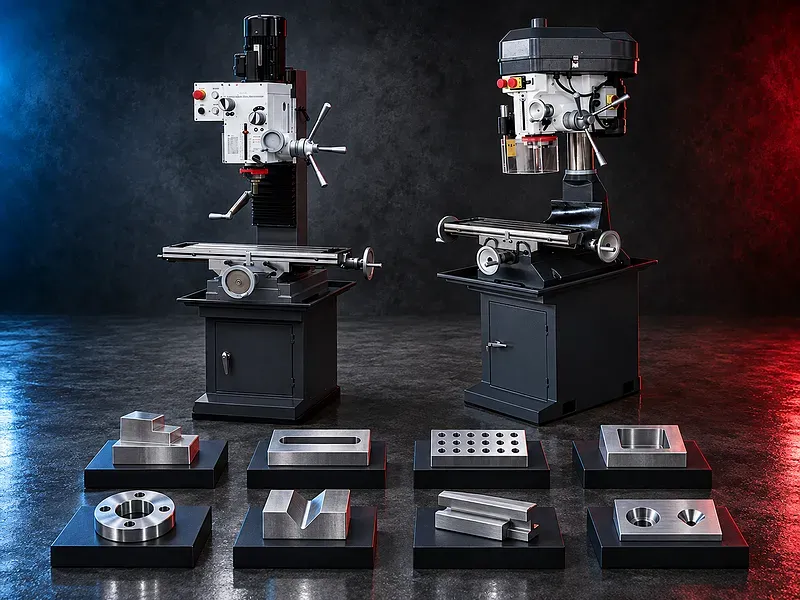 Compact Milling Drilling MachinesCompact machines that combine suitable milling and drilling operations in one workshop footprint for small components, prototypes, repair work, training, and light production. The correct model depends on workpiece size, material, table movement, spindle, tooling, tolerance, finish, duty pattern, and available space.
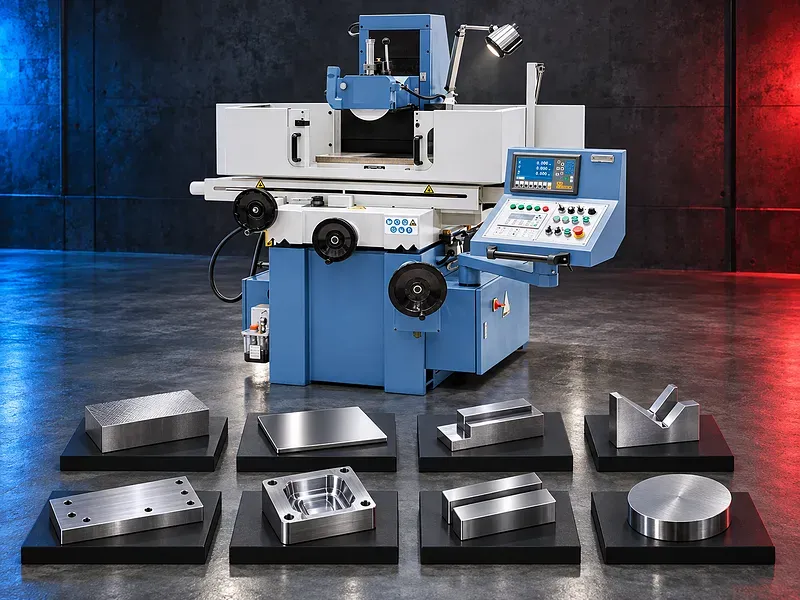 Surface GrindersSurface grinding machines remove controlled amounts of material to produce flat surfaces precise dimensions and consistent finishes. Manual and CNC configurations can support toolrooms maintenance workshops mold and die work and production applications when the machine wheel workholding and process are matched to the component requirement.
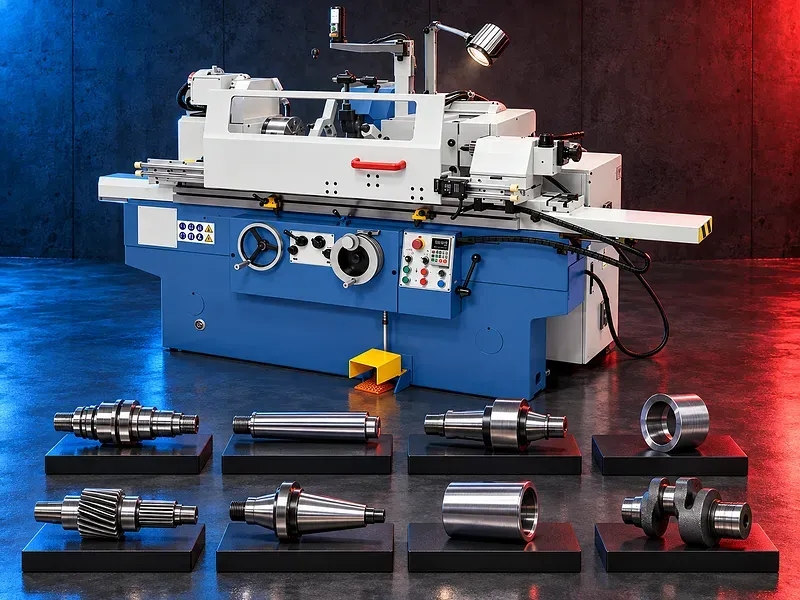 Cylindrical Grinding MachineCylindrical grinding machines finish external or supported internal round surfaces on shafts axles sleeves pins and other rotational components. Manual and CNC configurations can support repair toolroom and production work when the machine wheel workholding and grinding cycle are matched to the component drawing.
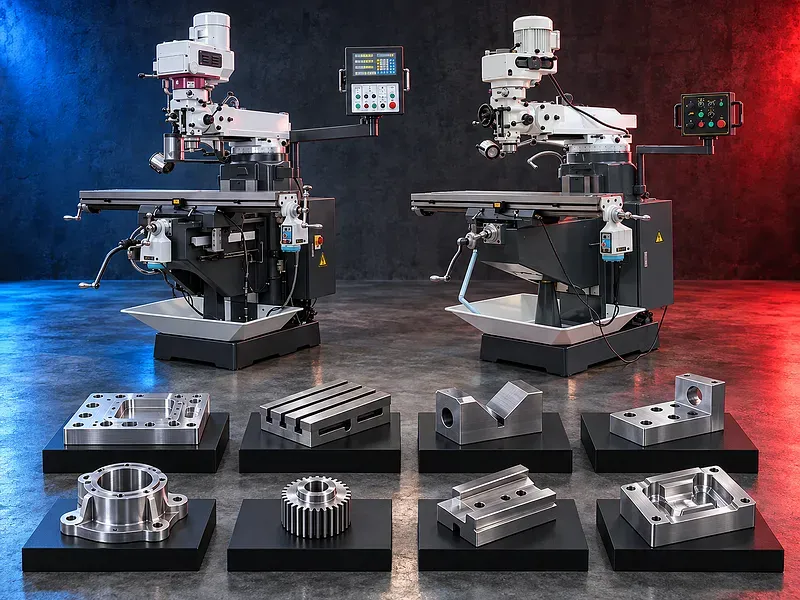 Conventional Vertical Horizontal MillingConventional vertical and horizontal milling machines support suitable milling drilling slotting and surface machining tasks with direct operator control. The two spindle arrangements provide flexibility for precision workshop work and heavier cutting applications when the selected model tooling setup and duty are correctly matched
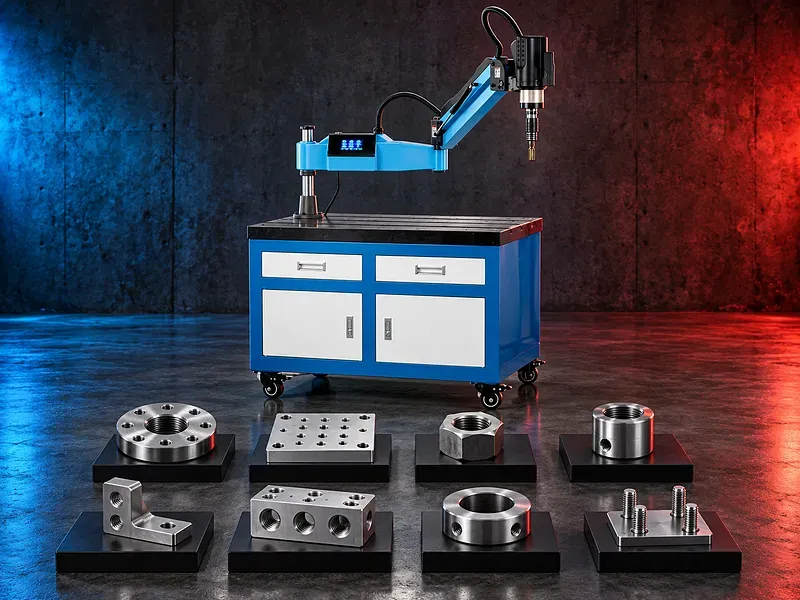 Arm Tapping MachineArm tapping machines bring a controlled tapping spindle to prepared holes across a supported work area so operators can create internal threads with less part repositioning. Electric or pneumatic configurations may improve consistency and reduce physical effort when the machine reach tap holder speed torque and process are matched to the component.
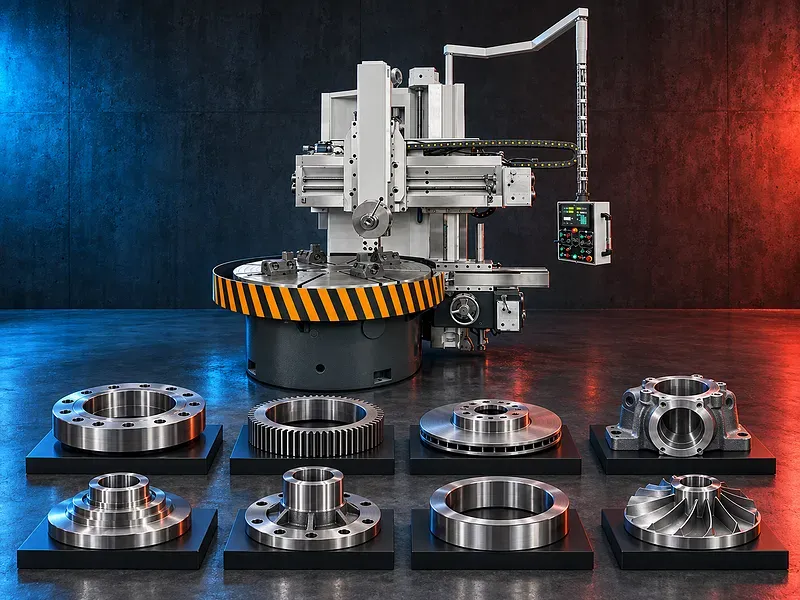 Conventional Vertical LatheConventional vertical lathes rotate the workpiece on a horizontal table for suitable external and internal turning facing boring tapering and grooving operations. The arrangement can support large diameter or heavy components when table capacity machining height tooling workholding and required accuracy are matched to the exact application.
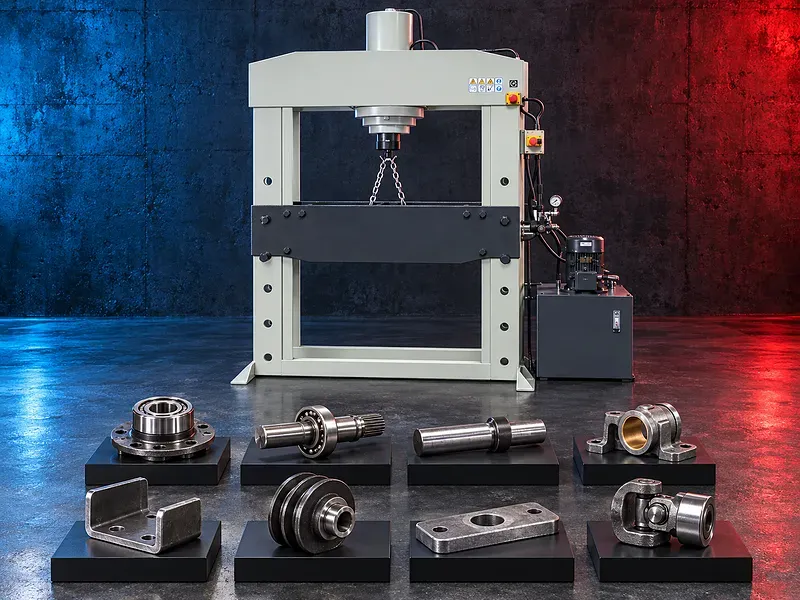 Hydraulic PressHydraulic presses apply controlled linear force for suitable straightening pressing fitting assembly disassembly extraction and forming tasks. The correct workshop or production press depends on the required force stroke working space frame tooling support control method safety measures and part handling plan.
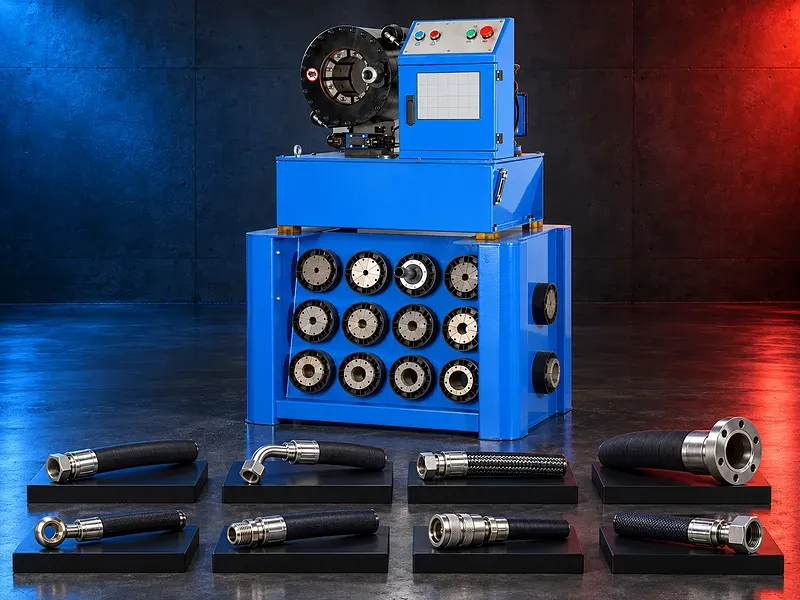 Hydraulic Hose Crimping MachineHydraulic hose crimping machines compress compatible ferrules and fittings onto prepared hose ends to produce controlled hose assemblies. Safe repeatable results depend on the approved hose fitting ferrule die set crimp diameter preparation method inspection and machine capability working together as one verified system.
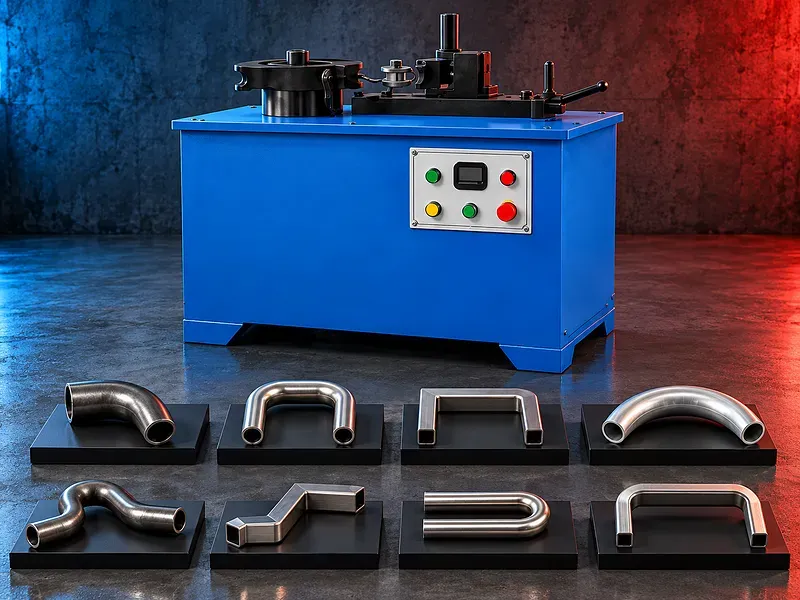 Automatic Pipe and Tube BenderAutomatic pipe and tube bending machines form suitable round tubes square tubes profiles angles and bars into controlled bends for fabrication construction decoration furniture and related applications. The correct machine depends on material section dimensions wall thickness bend radius angle geometry tooling drive system control and production requirement.
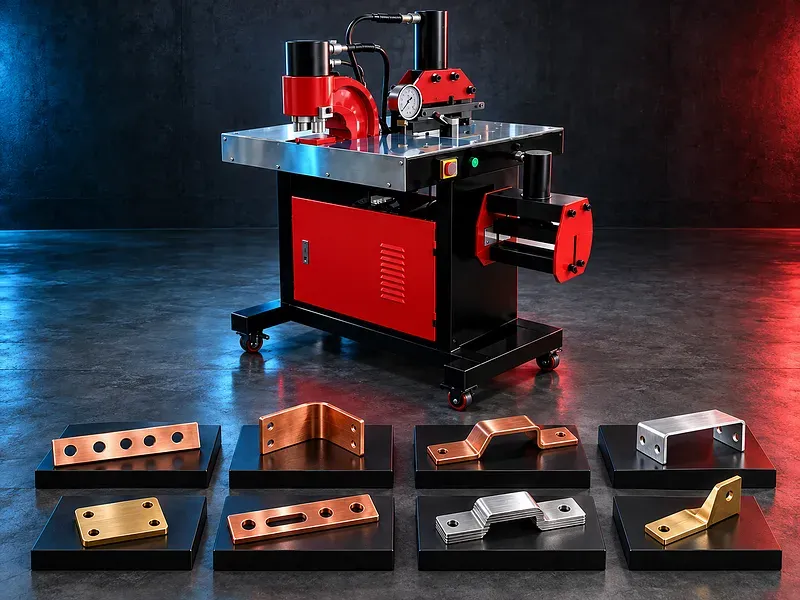 Compact Busbar Processing MachineCompact busbar processing machines combine supported bending cutting and punching functions for copper and aluminum busbars in one movable workshop solution. The correct machine depends on busbar material width thickness feature dimensions bend geometry hole requirements tooling power supply duty pattern and required output.
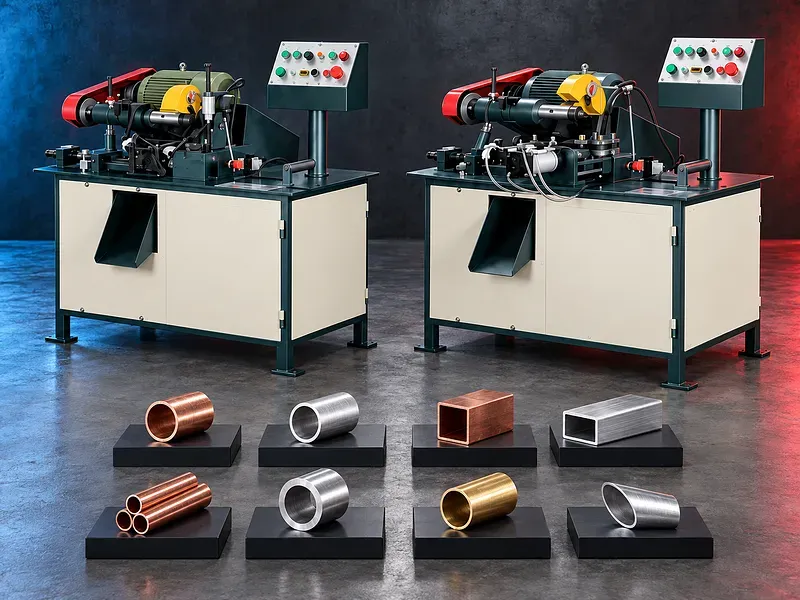 Automatic Tube Cutting SawAutomatic tube cutting saws feed clamp and cut supported metal tubes into controlled lengths for repeat production. The pictured machines are presented for copper and aluminum applications but material compatibility cutting range blade data accuracy and output must be verified from the approved catalog for the exact model.
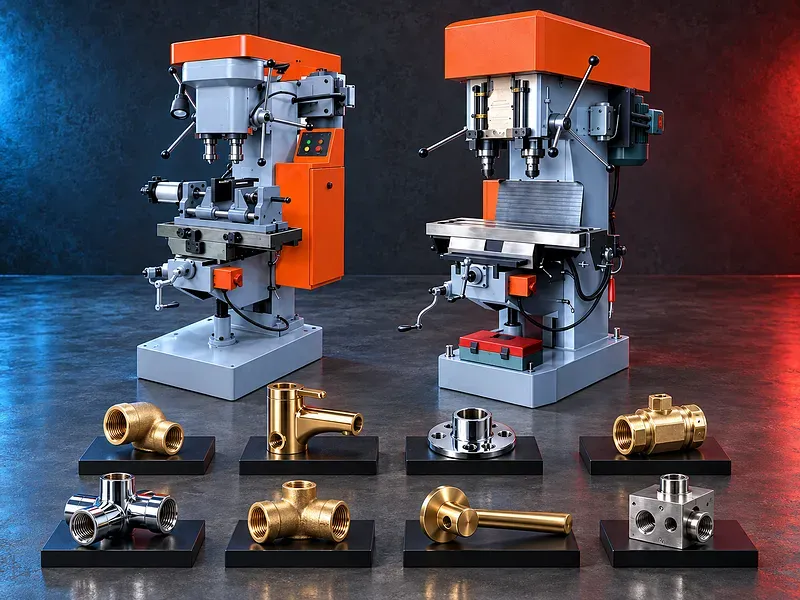 Vertical Double Spindle Drilling Tapping MachineVertical pneumatic double spindle compound machines combine supported drilling and tapping operations in one fixture based workstation. The arrangement can process suitable metal components such as fittings faucet parts handles valves and sanitary hardware when the spindle layout tooling fixture air system and cycle are matched to the part drawing
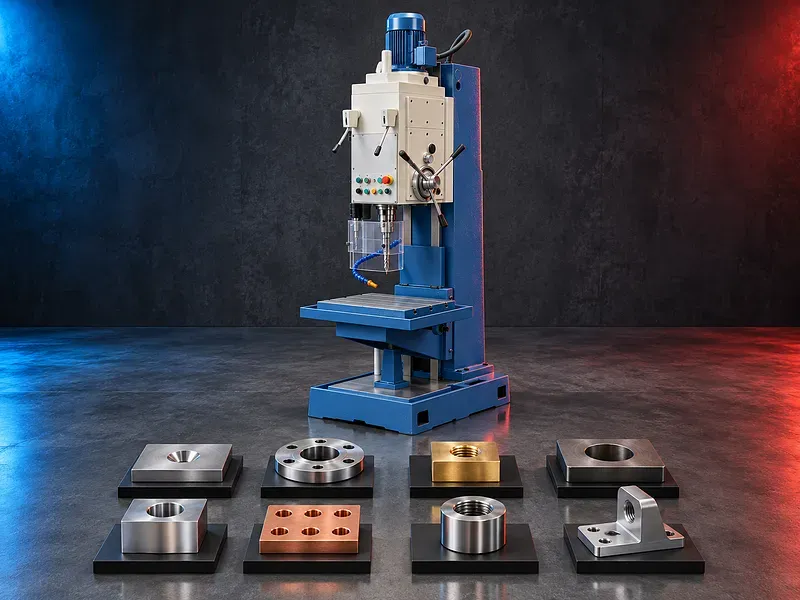 Vertical Drilling Tapping MachineSquare column vertical drilling and tapping machines support suitable drilling tapping countersinking spot facing boring and reaming operations in workshop and production environments. The correct machine depends on the workpiece material hole and thread requirements table and spindle geometry feeds tooling fixture duty pattern and required accuracy.
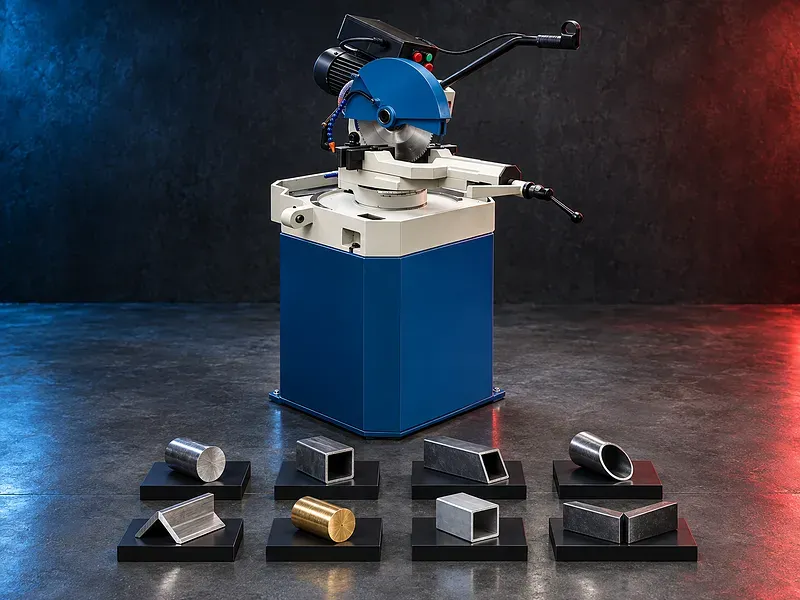 Circular Saw Cutting MachineA circular saw cutting machine for controlled cut off and miter cutting of supported metal profiles. The correct configuration depends on the material, profile shape, section size, cut angle, cut quality, batch size, and required output
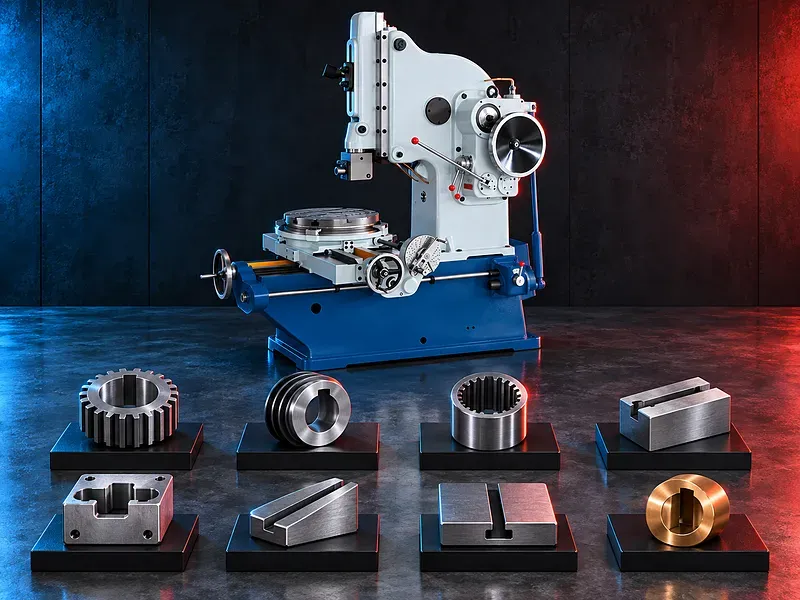 Vertical Slotting MachineVertical slotting machines use a reciprocating ram and a single point cutting tool to machine supported internal and external features such as keyways, slots, flat surfaces, and selected formed profiles. Machine selection depends on the part, feature geometry, material, stroke, table movement, tolerance, batch size, and required output
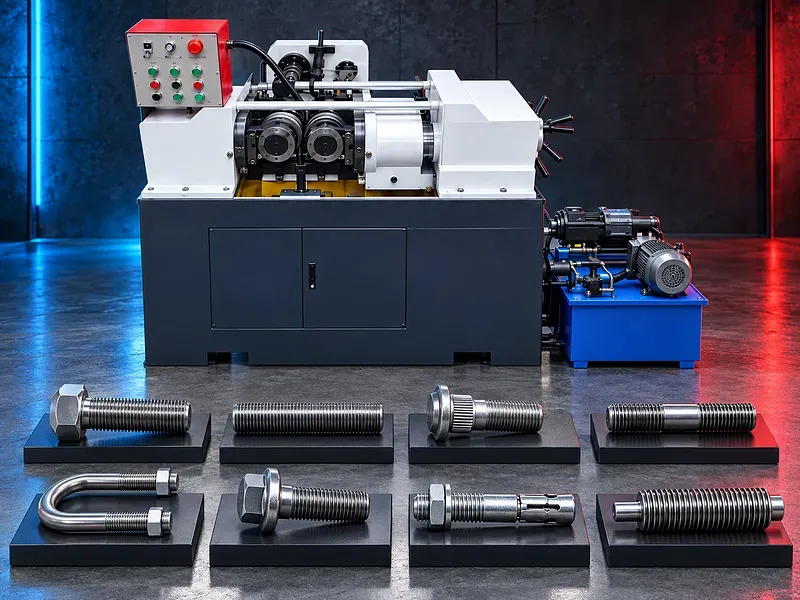 Thread Rolling MachineThe is presented as an external thread rolling machine for forming supported threads and profiles by controlled material displacement. Final suitability depends on the workpiece material, blank dimensions, thread form, length, dies, rolling method, quality requirements, batch size, and verified machine capacity.
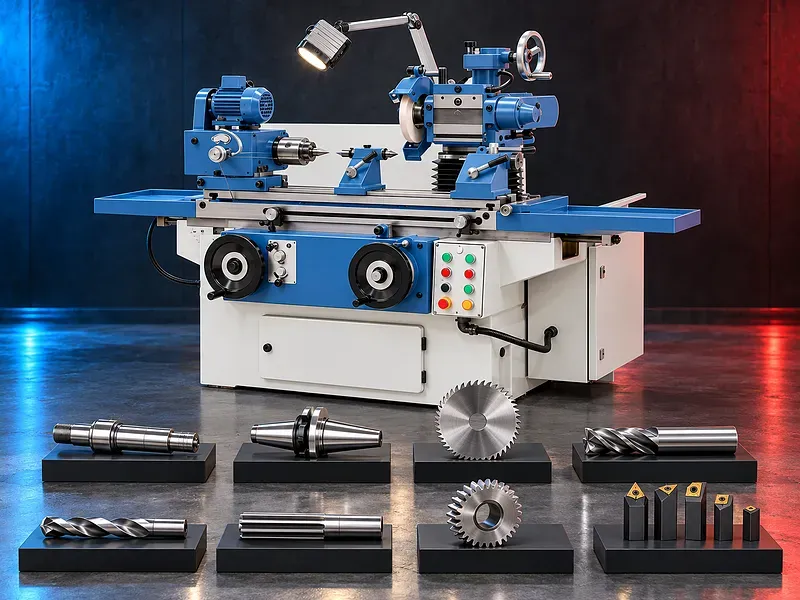 Universal Grinding MachineA universal grinding machine for supported tool, cutter, saw blade, surface, and selected cylindrical grinding work using the correct attachments and setup. Final suitability depends on the component, material, grinding operation, wheel, workholding, accuracy, finish, batch size, and verified machine configuration.
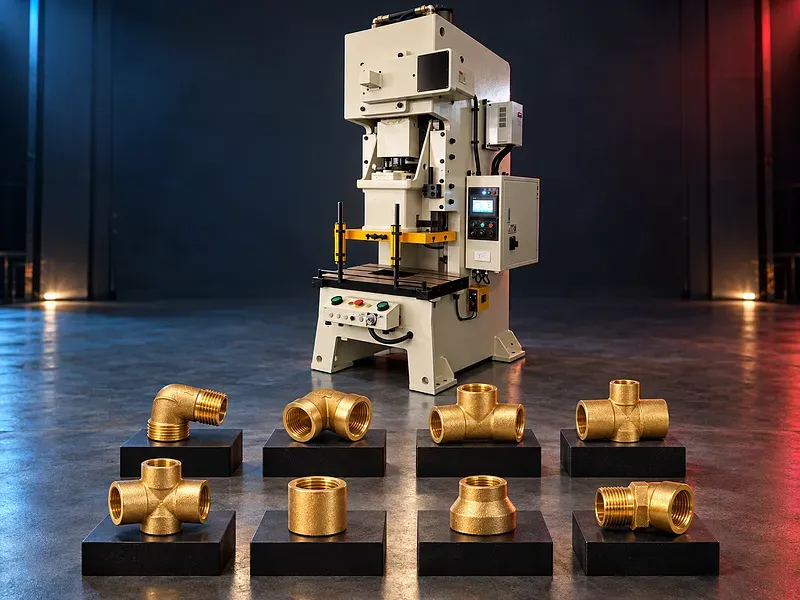 Automatic Hot Forging PressAn automatic hot forging press can form heated compatible metal blanks into near net shapes for selected valve bodies fittings and refrigeration tees when the press tooling heating method and automation are engineered for the exact part. Selection requires verified alloy billet die force energy temperature cycle quality utility and safety data.
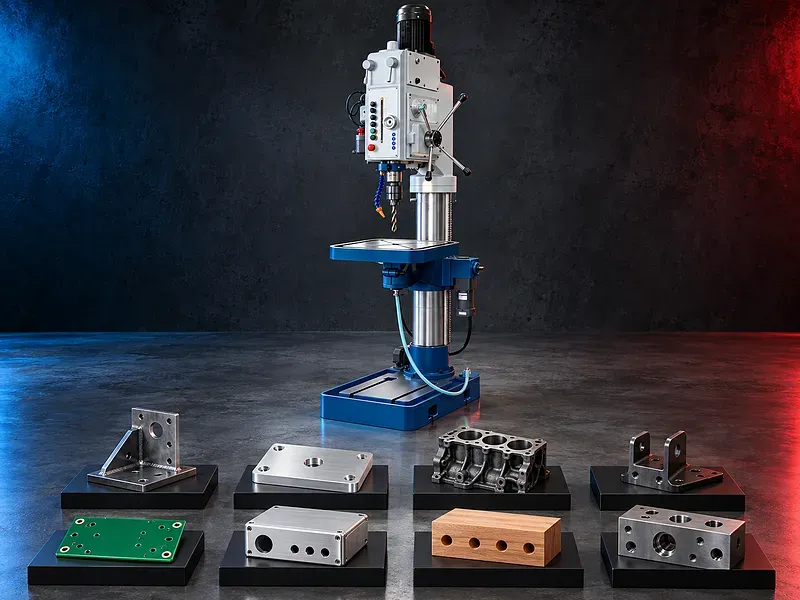 Vertical Drilling MachineVertical drilling machines support controlled hole making and related workshop operations with the spindle moving toward the workpiece on a vertical axis. The correct machine depends on the part material, dimensions, hole requirements, tooling, batch size, and required output.
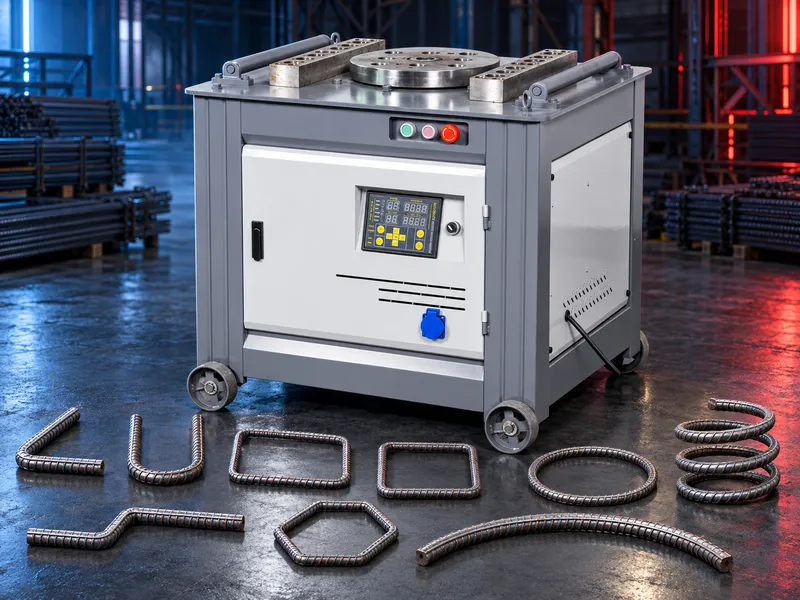 Steel Rebar Bending MachineElectric bending machine for forming steel rebar and round metal bars into programmed or required bends for construction, reinforcement fabrication and metalworking applications.
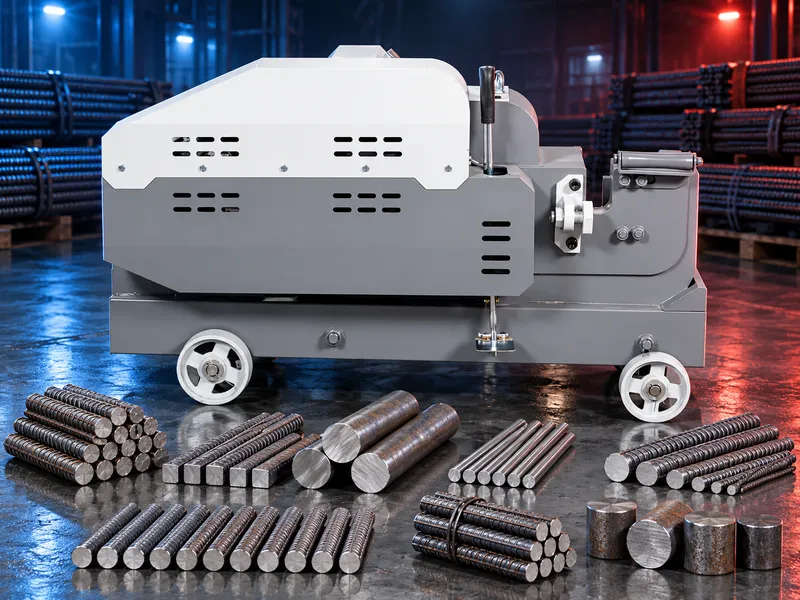 Steel Bar Cutting MachineElectric cutting machine for cutting reinforcing steel bars, hot-rolled round steel, screw-thread rebar and selected flat, square and angle steel sections for construction and metalworking applications
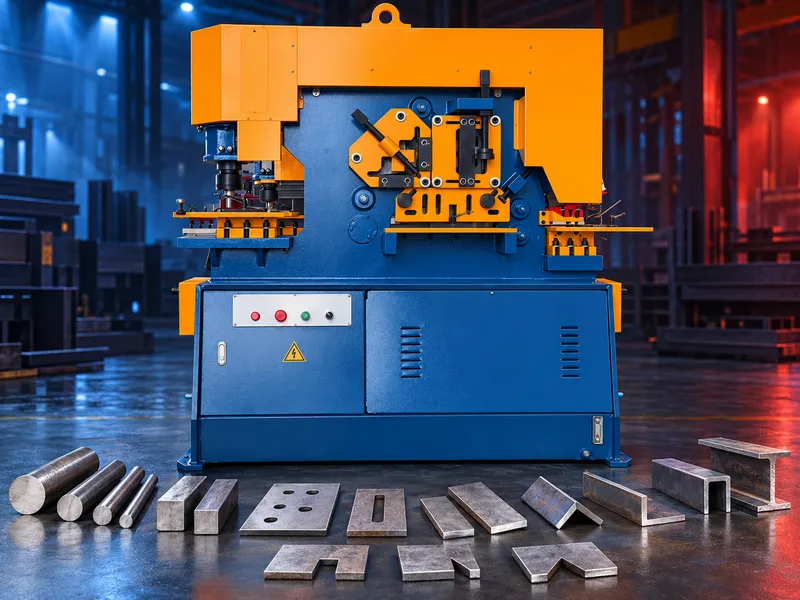 Hydraulic IronworkerMulti-function hydraulic ironworker for punching, shearing, notching and selected forming operations on bars, flats, angles and structural sections — combining several workshop processes in one machine.
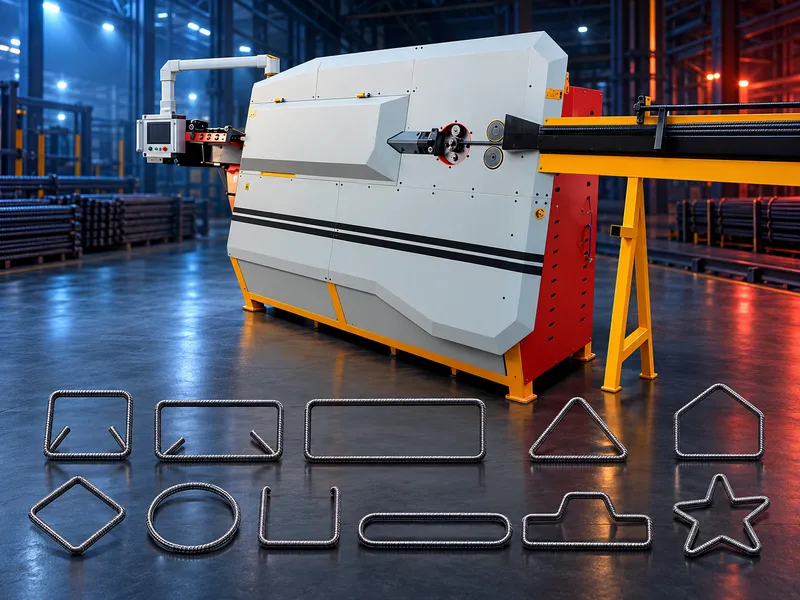 Automatic CNC Stirrup BenderAutomatic CNC servo-controlled machine for feeding, straightening, bending and cutting rebar from coil, designed for continuous production of 2D stirrups and reinforcement shapes with a maximum stated coil bending diameter of 14 mm.
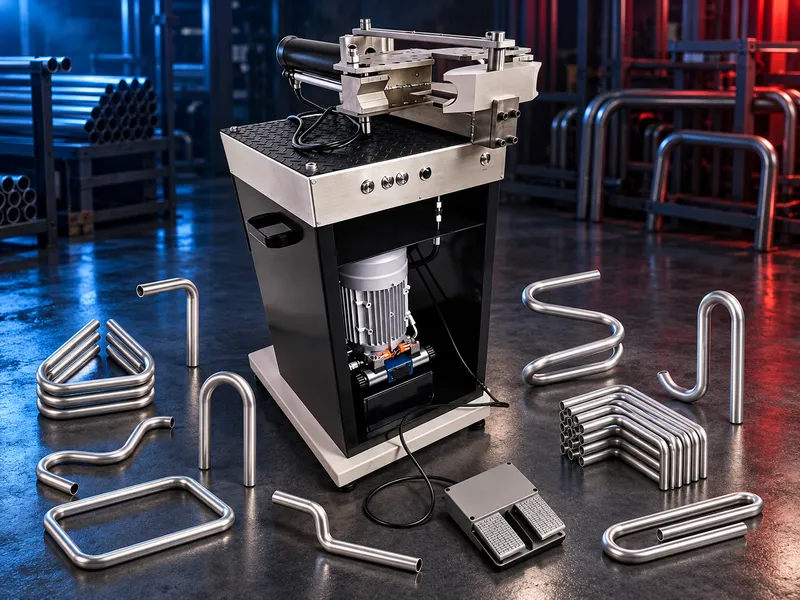 Portable Hydraulic Tube BenderPortable semi-automatic hydraulic tube bending machine for controlled bending of compatible tube and pipe materials, with a rated hydraulic pressure of 250 bar and memory-function capability as stated in the supplied product information
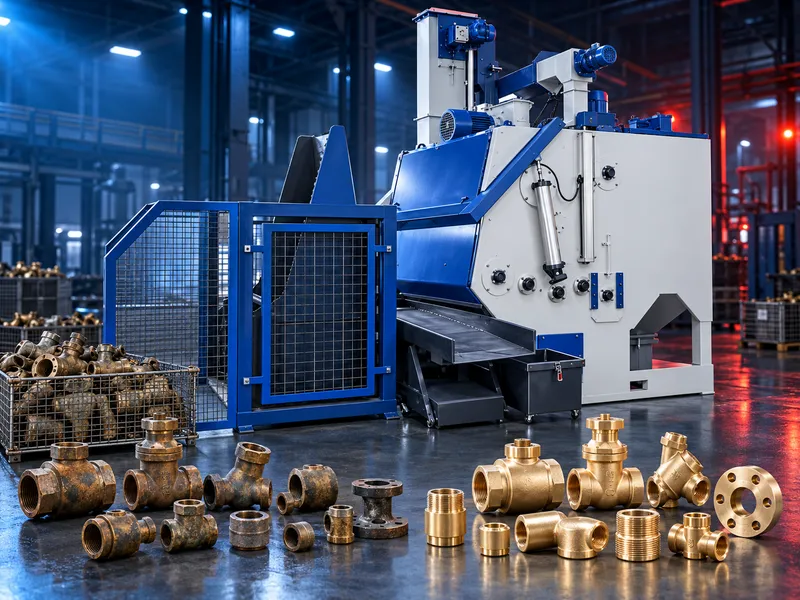 Copper & Brass Valve Shot Blasting MachineIndustrial shot blasting equipment for cleaning, deburring and surface finishing of copper, brass and compatible alloy valves using high-speed blasting media. The system is intended to remove oxide layers, casting residues and surface burrs while preparing a cleaner, more uniform valve surface.
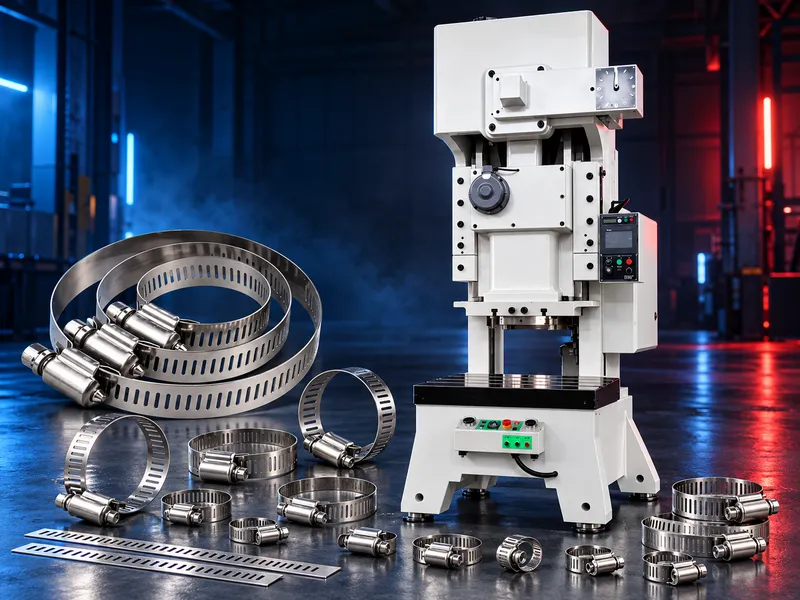 Automatic Hose Clamp Production LineAutomatic production line for manufacturing American-type hose and pipe clamps from steel coil through forming and assembly stages, integrating coil handling, strip preparation, punching, forming, worm-gear assembly and finished-part collection.
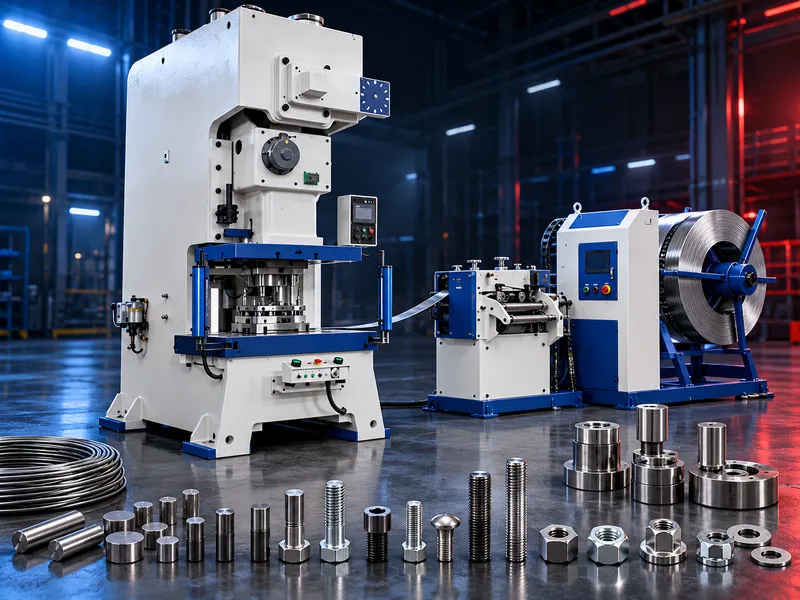 Automatic Bolts & Nuts Production LineIntegrated production solution for manufacturing bolts, nuts and related fasteners using forming, punching and supporting production equipment selected according to the required fastener type, material, dimensions and production output.
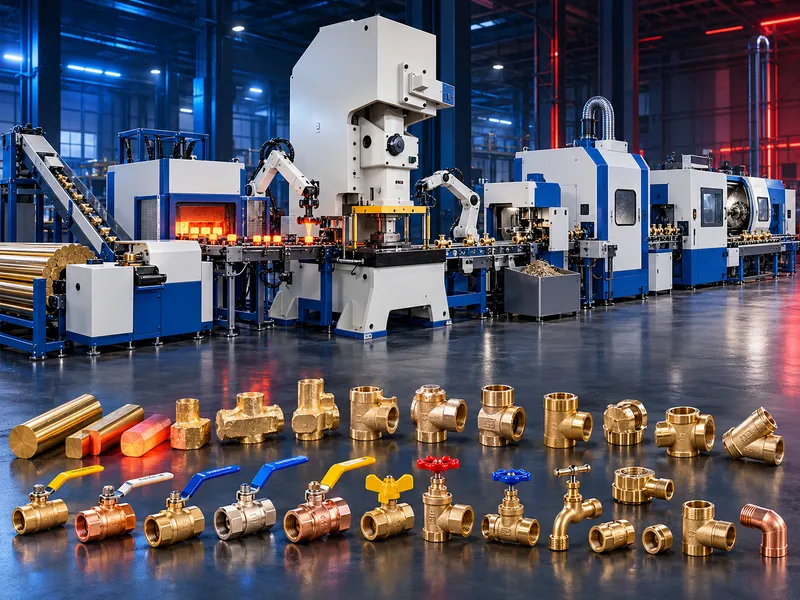 Automated Brass Valve Production LineIntegrated production line for brass and copper-alloy valve manufacturing, combining bar preparation, controlled heating, forming, trimming, surface cleaning, CNC machining and automated material handling in a coordinated production workflow.
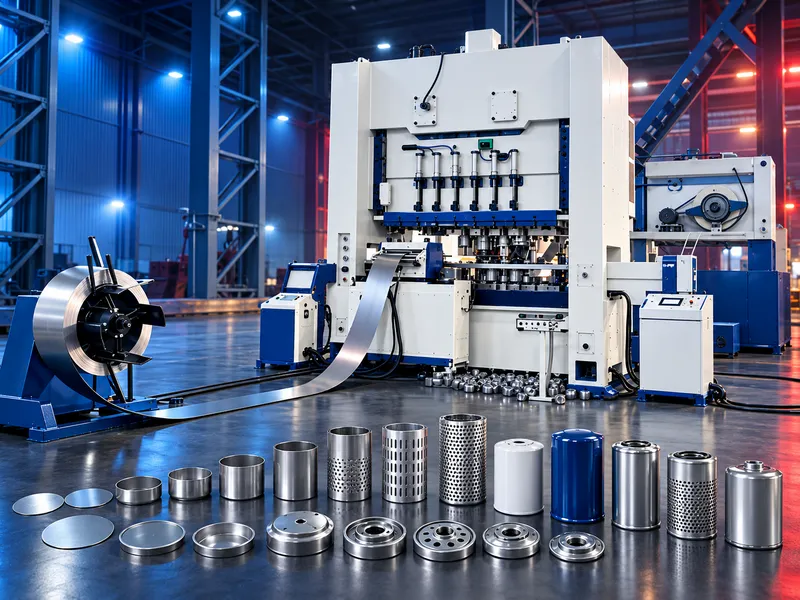 Automatic Air Filter Production LineIntegrated production solution for manufacturing metal components used in air filters, combining power press punching with coil feeding, decoiling, dedicated tooling, automated handling and assembly equipment according to the required filter design
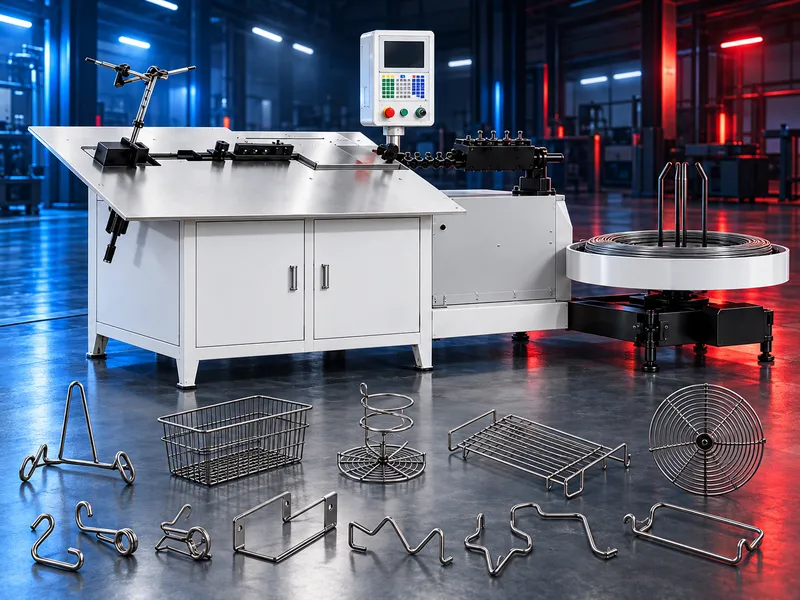 Automatic 2D CNC Wire Bending MachineFully automatic CNC wire bending and forming solution for producing 2D wire hooks, hangers, rings, frames, baskets, shelves and custom wire components directly from coil.
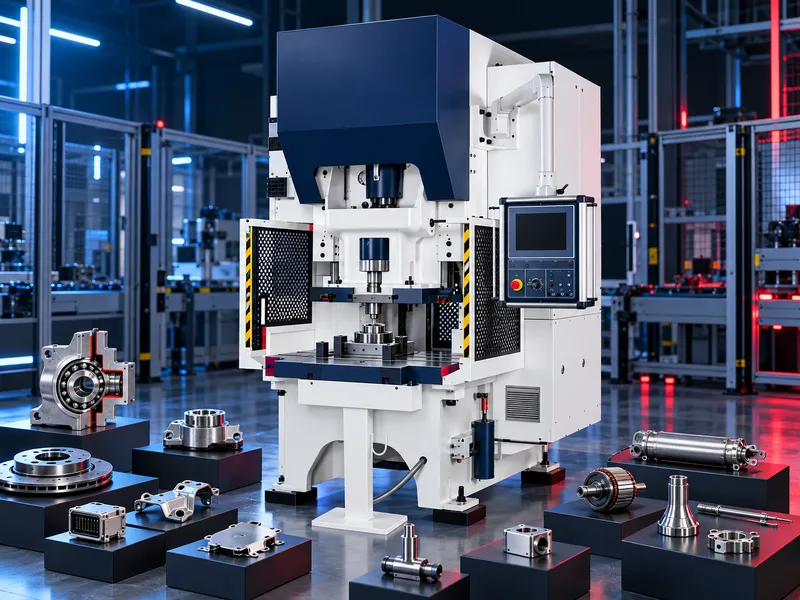 CNC Servo Press MachineProgrammable servo-driven press for controlled pressing, press-fitting, insertion, assembly, stamping and forming applications where ram motion, position and force control are important.
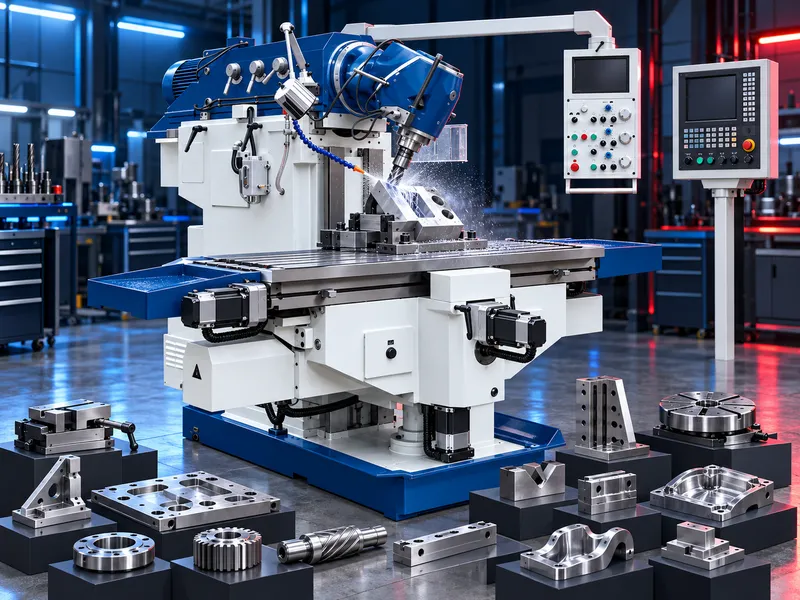 Universal Milling MachineUniversal milling machine with three-axis ball-screw table movement and separate servo motors for X, Y and Z feeding, designed for flexible milling operations with variable feed speeds and a swiveling milling head for angular machining.
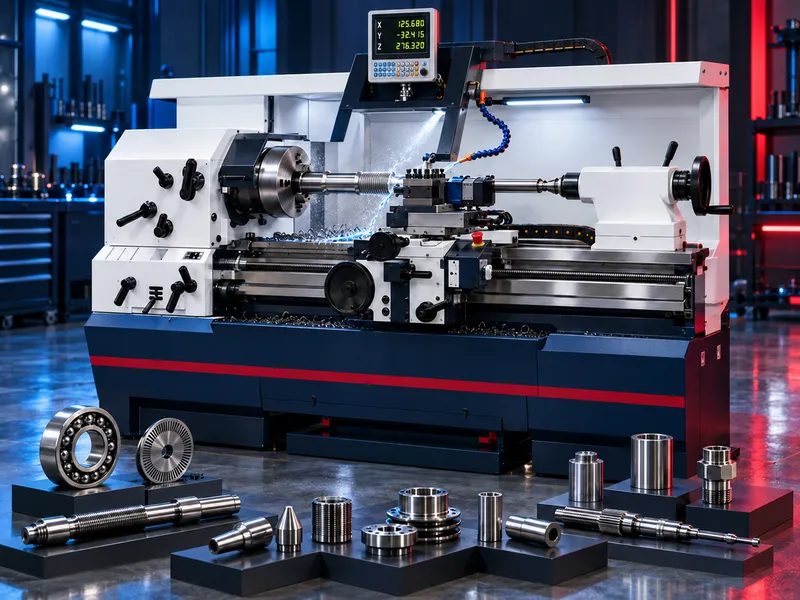 High-Precision Electronic Control LathePrecision lathe for turning and threading applications, combining electronically controlled spindle speed with controlled axis feeding to support flexible machining across different workpiece diameters and cutting conditions.
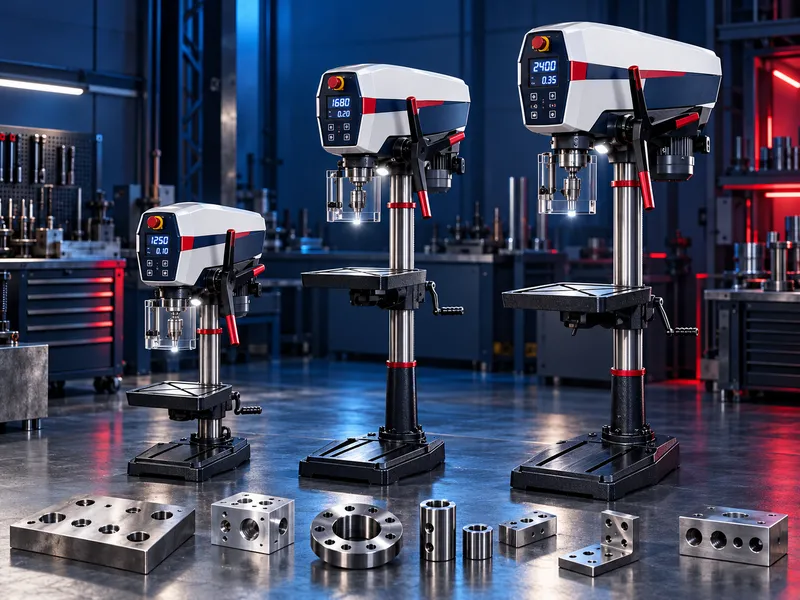 Variable Speed Drilling MachinesVariable-speed drilling machines for accurate hole making in metalworking workshops and production environments, with convenient speed adjustment, practical operator controls and configurations suited to different drilling requirements.
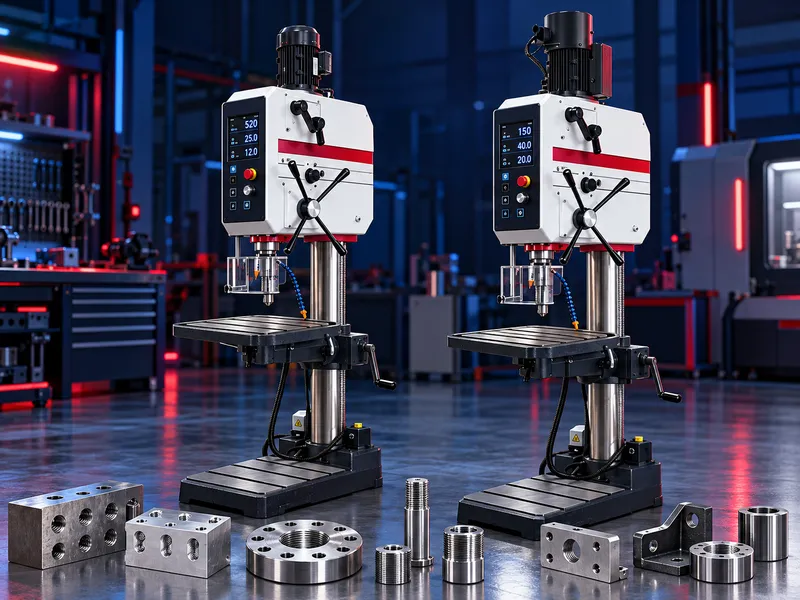 Gear-Driven Drilling & Tapping MachinesHeavy-duty drilling machines for drilling, tapping and workshop machining, with gear-driven spindle transmission, controlled spindle feed and practical operator controls for industrial production and maintenance applications.
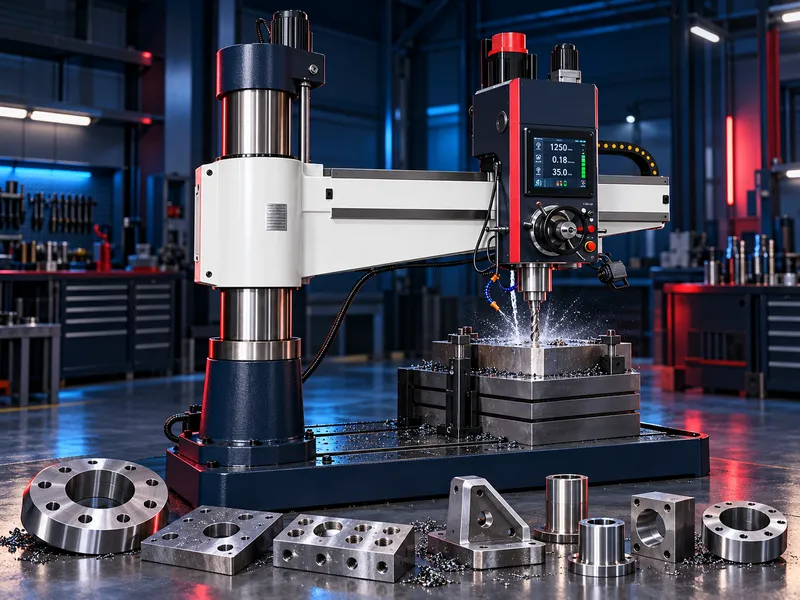 Radial Drilling MachineHeavy-duty radial drilling machine for drilling, tapping and hole-machining operations on large or difficult-to-position workpieces, with a movable radial arm and servo-assisted control for easier setup and operation.
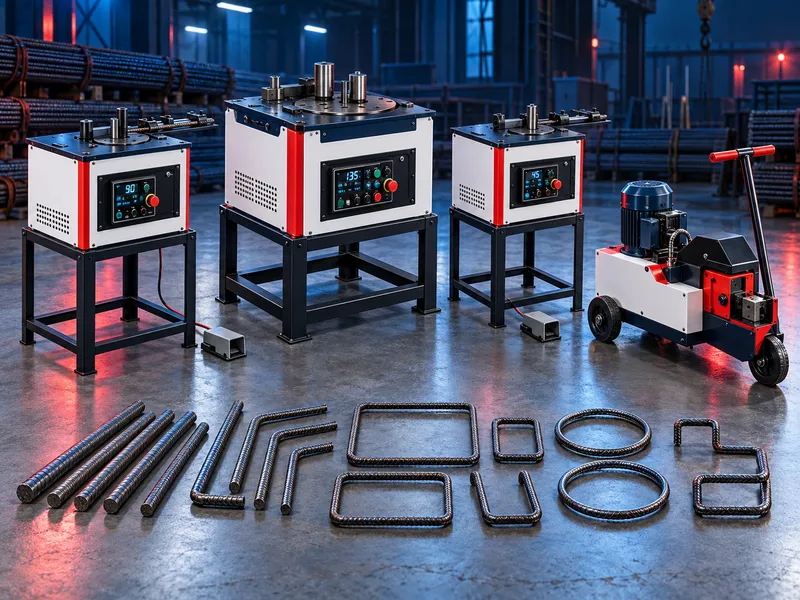 Portable Rebar Bending & Cutting MachinesCompact and portable machines for bending and cutting reinforcement steel bars on construction sites, fabrication yards and rebar preparation workshops. The range includes dedicated bending machines, cutting machines and portable solutions selected according to bar size, required operation and electrical supply.
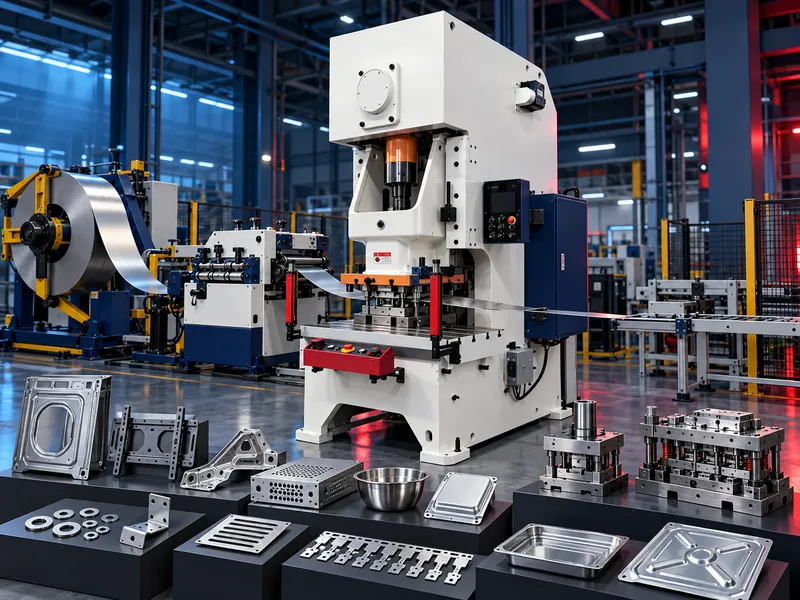 C Frame Single Crank Power PressC frame single crank power presses convert rotary motion into a repeated slide stroke for compatible blanking, punching, stamping, bending, and forming operations. Correct selection depends on the process force and energy, rated point, material, tool, stroke, speed, shut height, bed area, loading condition, feeding method, duty, and safety system.
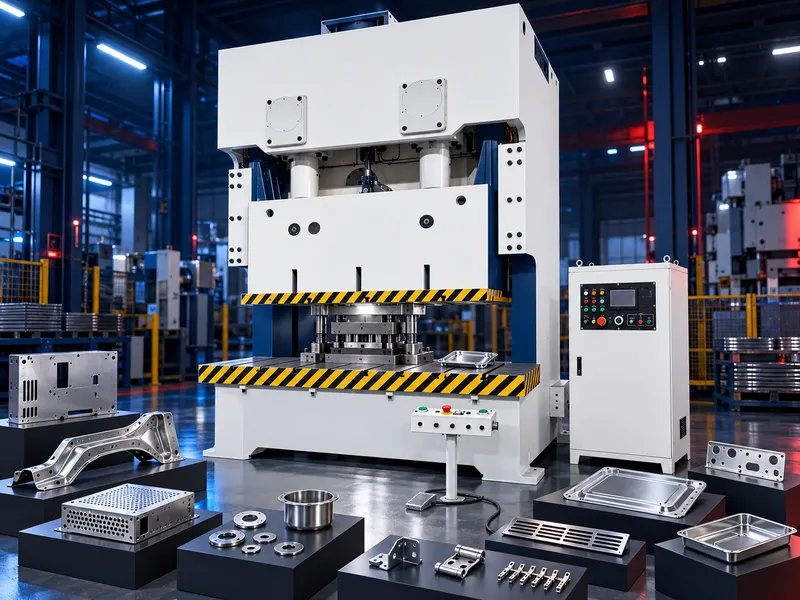 C-Frame Gap Frame Crank PressOpen-front mechanical crank press for punching, blanking, bending and forming sheet metal parts, with accessible C-frame construction and options for automated feeding and production support.
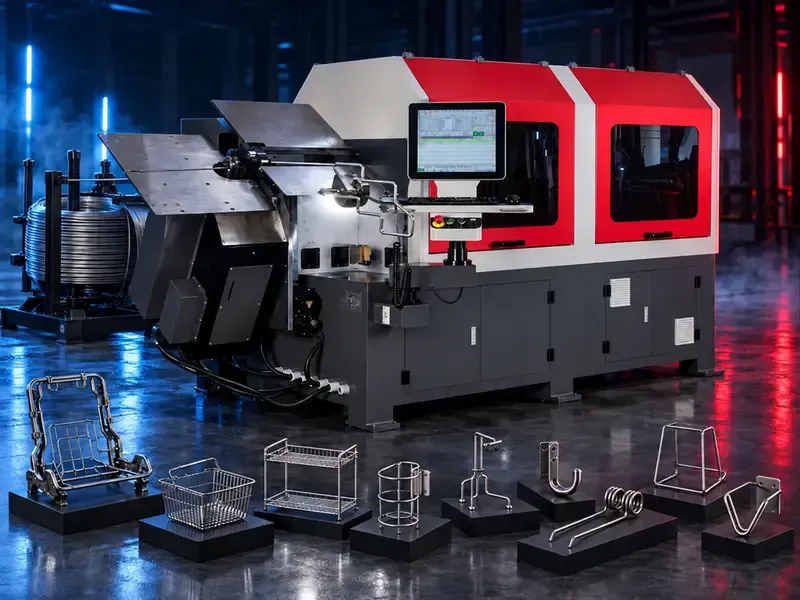 3D CNC Wire Bending MachineAutomatic CNC wire forming solution for producing precise 2D and 3D wire components directly from coil. The machine straightens, feeds, bends and cuts wire in one programmed production cycle for complex industrial wire forms
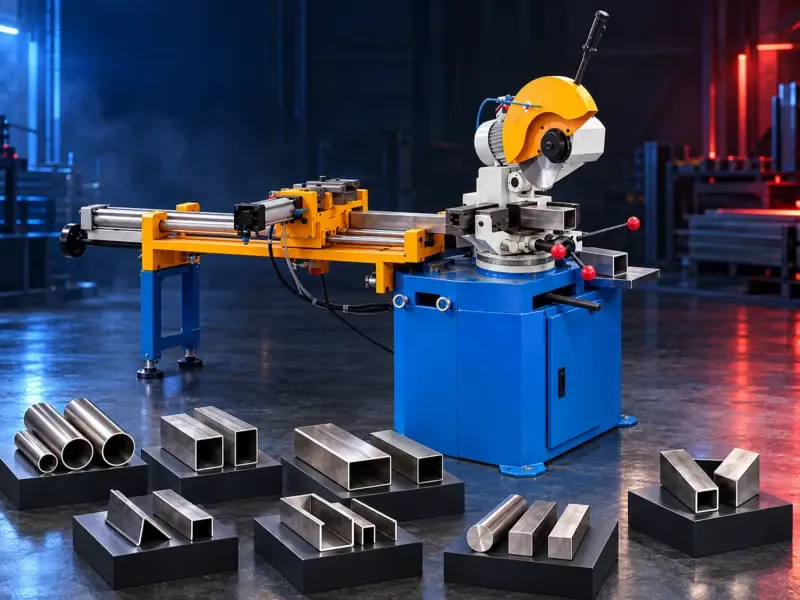 Pipe Cold Saw & Tube Cutting MachineCold sawing and tube cutting solutions for round, square and profiled metal tubes, with circular saw or die-cutting configurations selected according to material, section size, wall thickness, cut geometry and production volume.
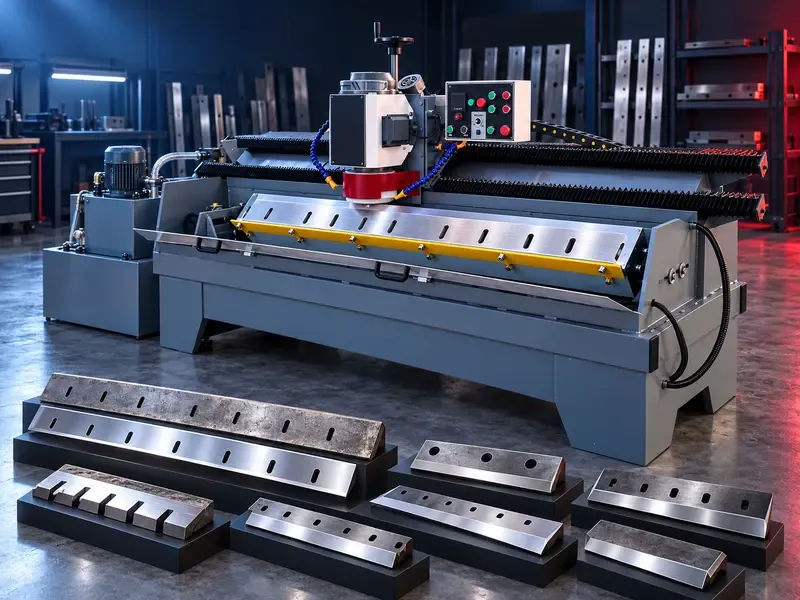 Crusher Blade Sharpening MachineAutomatic industrial knife sharpening machine designed for grinding and reconditioning straight blades used in plastic crushers and other cutting machinery. The gantry-type structure supports stable, even grinding for crusher knives, paper-cutting knives, shear blades, planer knives and other compatible straight industrial blades.
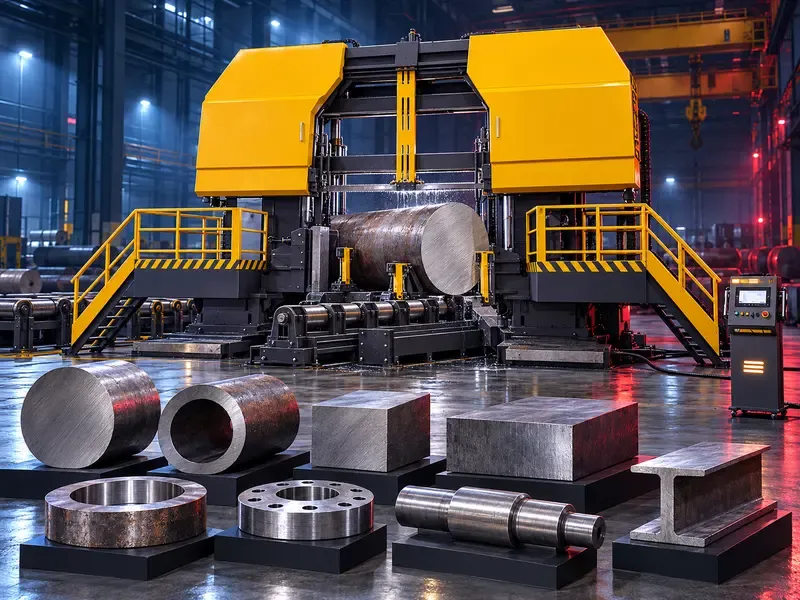 Automatic Gantry Horizontal BandsawA heavy-duty automatic horizontal bandsaw with a moving gantry structure, engineered for precision cutting of very large and high-tonnage metal workpieces. The system combines automatic material handling, sensor-assisted cutting control and production monitoring for demanding industrial cutting operations.
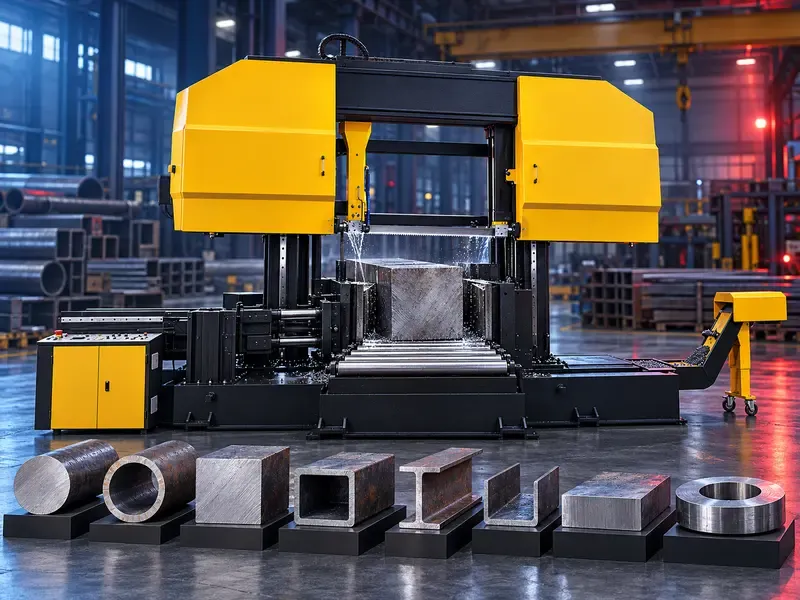 Heavy-Duty Horizontal Band SawsHeavy-duty horizontal band saw machines for accurate cutting of large solid bars, blocks, pipes, profiles and structural sections. Available configurations cover large cutting capacities and can be selected according to material size, section, production requirements and handling needs.
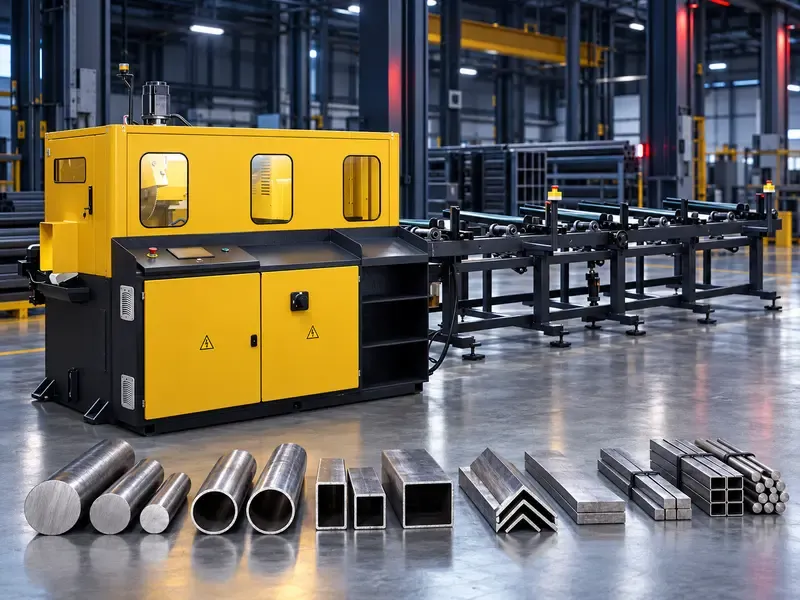 TCT Circular Saw MachinesAutomatic TCT circular saw machines for fast, repeatable cut-to-length processing of solid metal bars. Designed for continuous production, they combine rigid machine construction, controlled material feeding, automatic loading options and programmable cutting lengths for efficient industrial sawing.
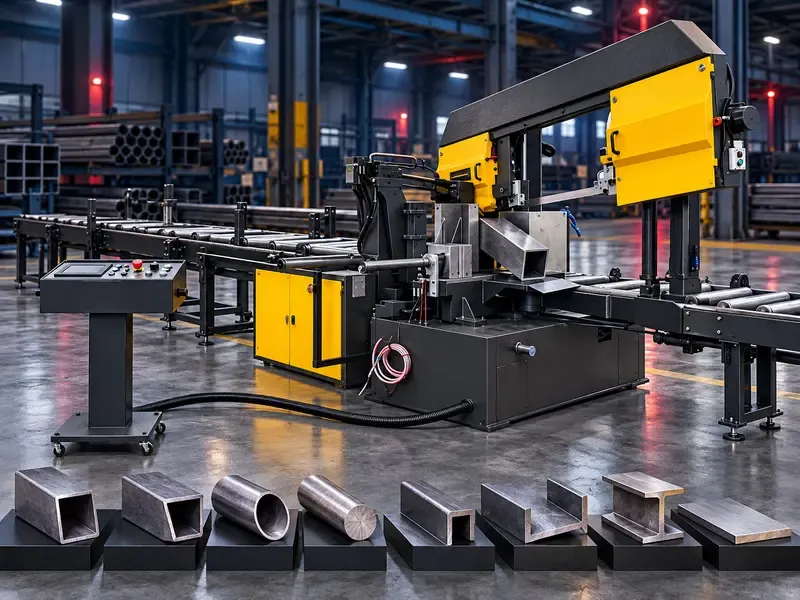 Automatic Miter-Cutting Band SawsFully automatic miter-cutting band saw machines combine automatic material feeding, programmable cutting cycles and adjustable straight or angled cutting for repetitive production of bars, tubes, profiles, beams and structural metal sections. Available configurations cover applications from medium-size production cutting to large structural sections.
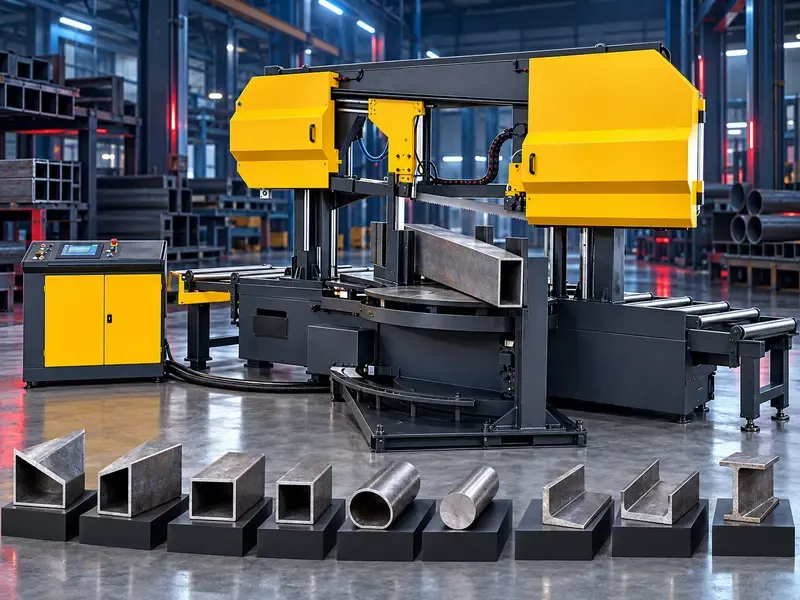 Double-Miter Band Saw MachinesDouble-miter band saw machines are designed for accurate straight and angled cutting in both directions without repeatedly repositioning long or heavy workpieces. The range supports bars, tubes, profiles, beams and structural sections for fabrication and general metal-processing applications.
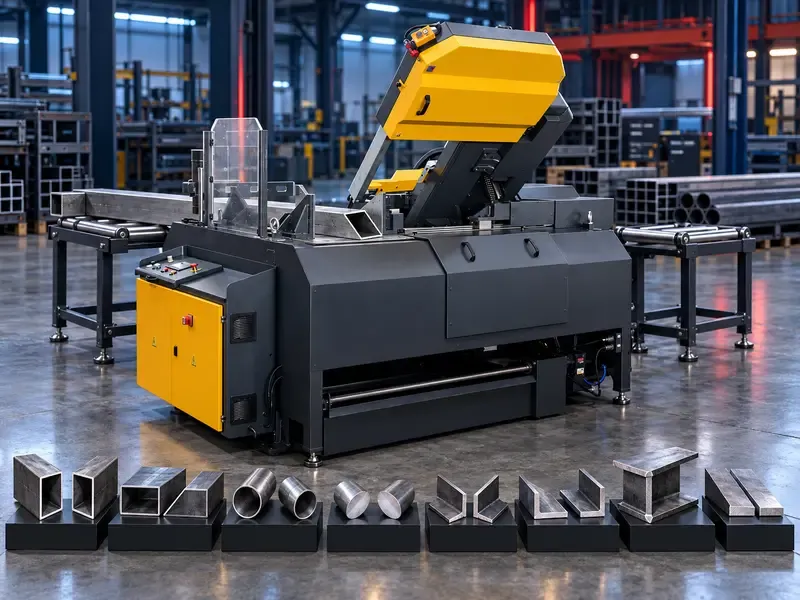 Semi-Automatic Vertical Double-Miter Band SawA semi-automatic vertical band saw for accurate straight and angled cutting of solid bars, tubes, profiles, beams and structural metal sections. The double-miter saw head rotates from 60° left to 60° right, helping process multiple cutting angles without repeatedly repositioning long or heavy material.
Metalworking and fabrication machines support the complete route from raw material and prepared blanks to machined, formed or assembled components. The range includes workshop machines, cutting and forming equipment and specialized production solutions for suitable applications.
Selecting the correct machine starts with the finished-part drawing, material, dimensions, required operations, tolerances, surface finish, batch size and production target. Tooling, workholding, automation, utilities, safety and inspection requirements must also be reviewed before selecting a model.
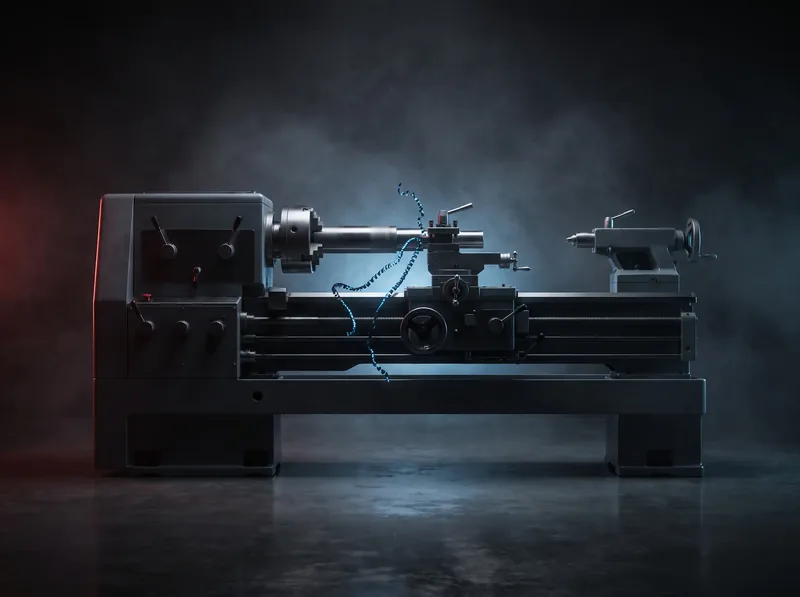
What it is for
- Turned shafts, pins, bushings and adaptors
- Repair and re-machining of worn components
- Drilling and reaming to position
- Surface and cylindrical grinding to a finish
- One-off parts for machines out of production
How to choose
Centre height and between-centres set the ceiling
These two numbers decide what will ever fit on the machine. Everything else can be worked around; these cannot.
Spindle bore matters more than people expect
If you feed bar stock, the bore decides your maximum diameter and therefore whether a job is one setup or three.
Conventional, or CNC?
One-offs and repairs favour conventional. Repeat batches favour CNC. Many workshops run both and route work by batch size rather than by machine preference.
Ask about parts before you ask about price
A machine you will keep for twenty years is a twenty-year relationship with whoever supplies its bearings, belts and electricals.
Questions we are asked
What information is required to select a metalworking machine?
Provide the product drawing, material, starting blank, dimensions, weight, required operations, tolerances, surface finish, quantities and available site utilities.
What is the difference between machining and metal forming?
Machining removes material using operations such as turning, milling or grinding. Forming changes the material shape using bending, pressing, rolling or related processes.
Should I choose a conventional or CNC machine?
Conventional machines may suit repairs, individual parts and frequently changing work. CNC may suit repeat batches, complex geometry and programmed production. The product mix should determine the choice.
When is a production line more suitable than an individual machine?
A production line may suit stable, repeatable products with sufficient volume and coordinated operations. Individual machines may offer greater flexibility for varied or lower-volume work.
Can one machine process every metal and component?
No. Material, dimensions, hardness, geometry, tolerances, tooling and production volume must match the verified capacity of the selected machine.
Are installation, training, maintenance and spare parts included?
The approved quotation must define installation, commissioning, training, warranty, maintenance, consumables, spare parts and technical-support responsibilities.
Tell us the part you need to make
An engineer reads every request. Usually the same working day.
Related
- CNC Machine Tools for Precision Machining CNC milling, turning, drilling, boring and grinding solutions selected according to the part drawing, material, dimensions, tolerances, finish and production requirements.
- Welding and Thermal Cutting Equipment Welding, robotic automation and thermal cutting solutions selected according to the material, thickness, joint or cut geometry, required quality, production volume and site conditions.
- Industrial tooling & machine spare parts The machine is the investment. The right tooling and reliable spare-parts availability are what keep production running and reduce costly downtime.