

Joining and Thermal Cutting Solutions
Welding and Thermal Cutting Equipment
Welding, robotic automation and thermal cutting solutions selected according to the material, thickness, joint or cut geometry, required quality, production volume and site conditions.
Types in this category
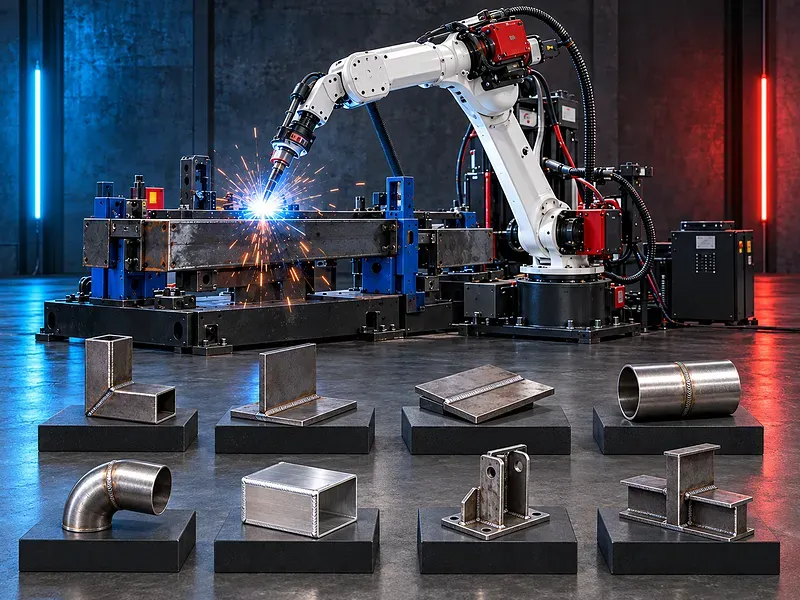 Robotic Welding SolutionsFlexible robotic welding solutions configured around the workpiece, welding process, production volume, and handling requirements. Available concepts include collaborative robots, positioners, industrial workstations, and gantry-based systems.
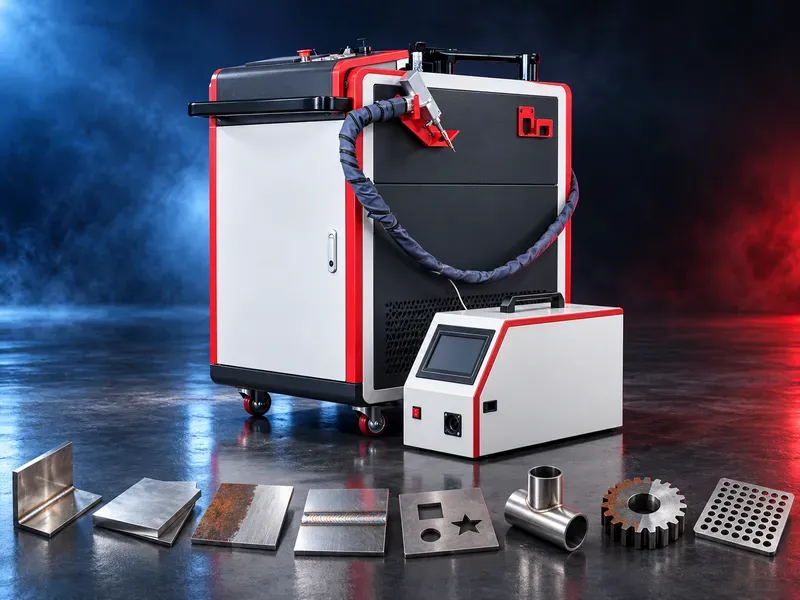 Handheld Laser WelderHandheld fiber laser welding solution for joining metal sheets, tubes and fabricated components with a concentrated laser beam and controlled heat input.
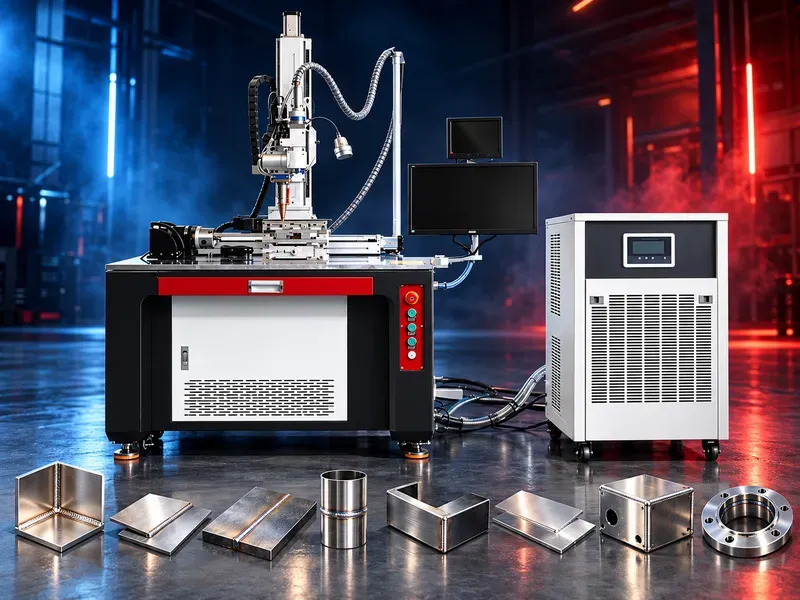 Automatic Laser WeldingAutomated continuous fiber laser welding solution for repeatable welding of metal components, with configurable process parameters and an optional wobble welding head for wider process control.
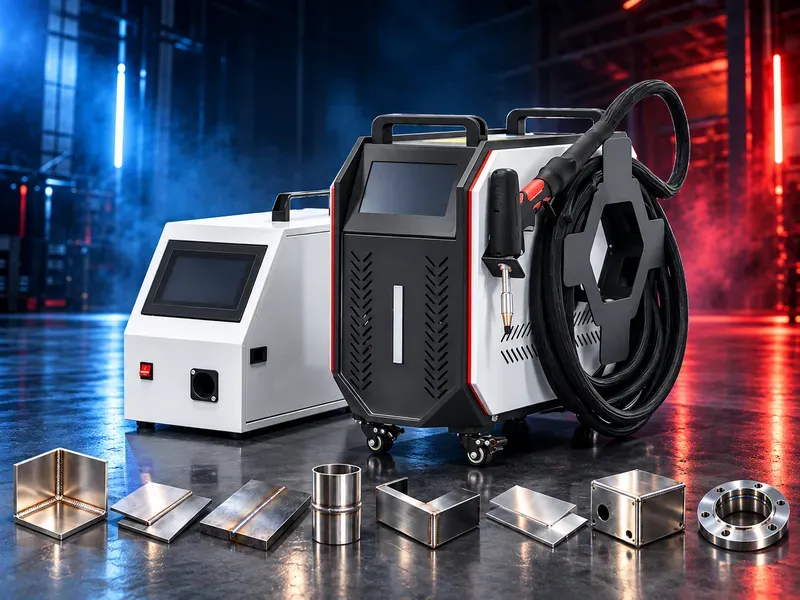 Portable Laser WelderCompact handheld fiber laser welding solution designed for flexible metal fabrication work, with an air-cooled configuration and operator-oriented controls. Final functions and technical capability depend on the exact machine model and verified configuration.
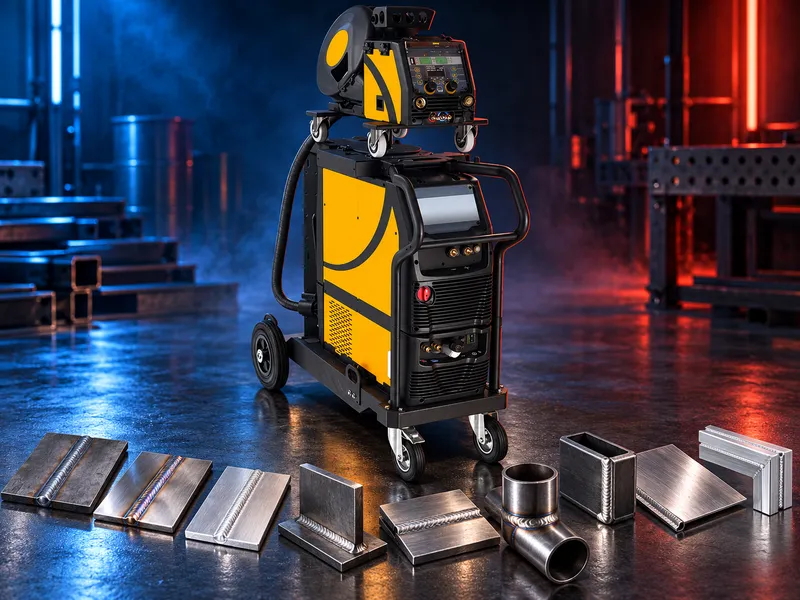 MIG/MAG Welding MachineMultifunction MIG/MAG welding solution for common steels, stainless steels, aluminium and alloys, designed for professional fabrication and industrial welding applications.
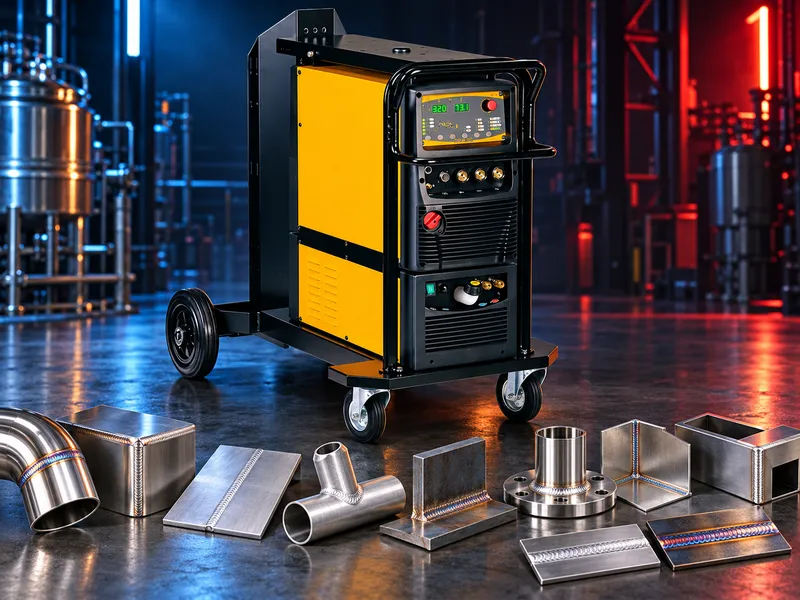 TIG AC/DC Welding MachineProfessional inverter welding solution for TIG AC, TIG DC and MMA welding, designed for precision welding applications across different metals, thicknesses and industrial production requirements.
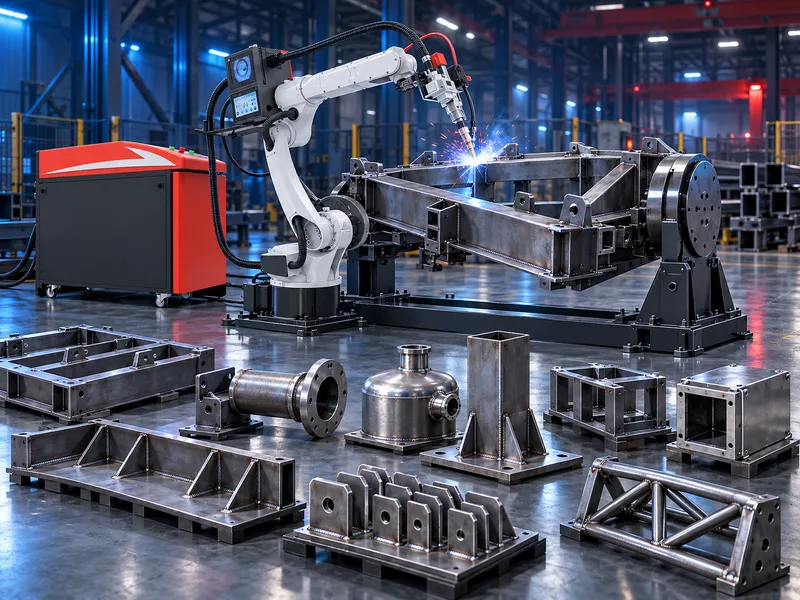 Industrial Intelligent Welding RobotIndustrial robotic welding solution for automated and efficient welding of metal structural parts, particularly large-scale components with consistent specifications. The system can support flexible robot mounting, external axes, intelligent sensing and multiple welding processes according to the application configuration.
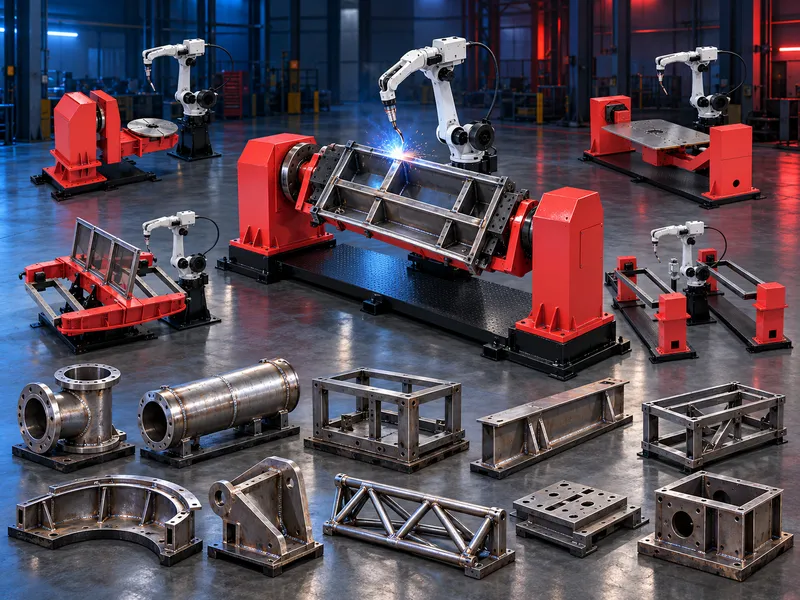 Intelligent Welding Robot with PositionerIntelligent robotic welding system for automatic welding of complex metal structural parts, configurable with fixed, ground-rail, cantilever or gantry structures and different positioners according to the workpiece and production requirement.
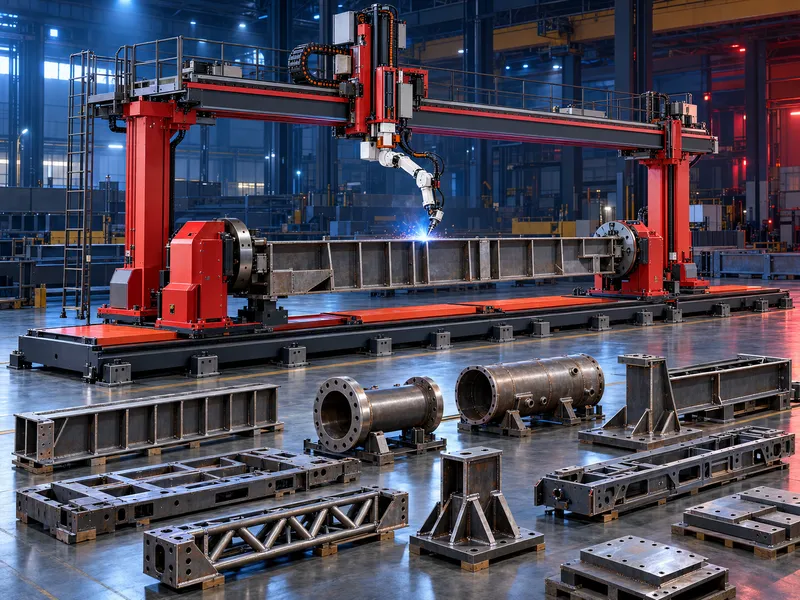 Intelligent Welding Robot with Positioner: Configurable robotic welding system for automated welding of complex and large metal structures, with fixed, ground-rail, cantilever and gantry arrangements plus multiple positioner options for workpiece rotation and positioning.
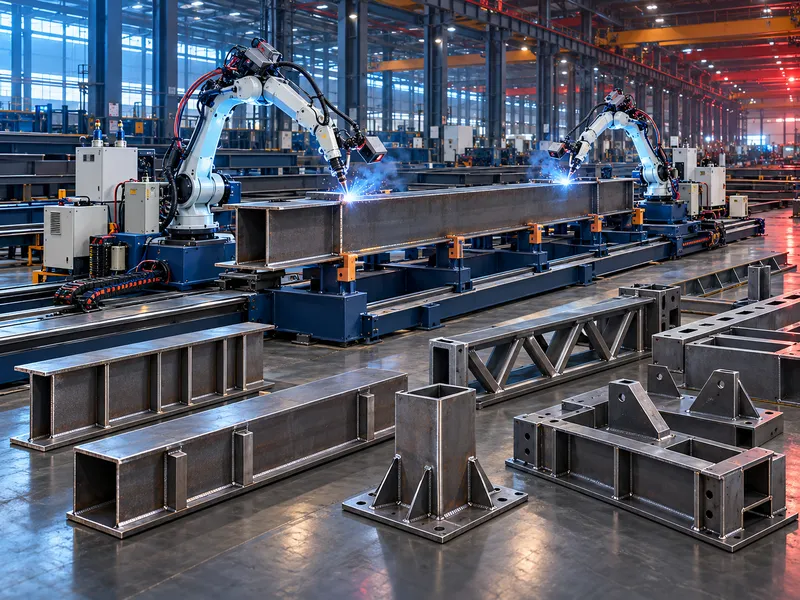 HRWR Steel Structure Robot Welding WorkstationIntelligent robotic welding workstation for automated and flexible welding of H-beams, box beams and other steel structural components, using ground-rail deployment and teaching-free programming workflows for standardized, customized and mixed-production requirements.
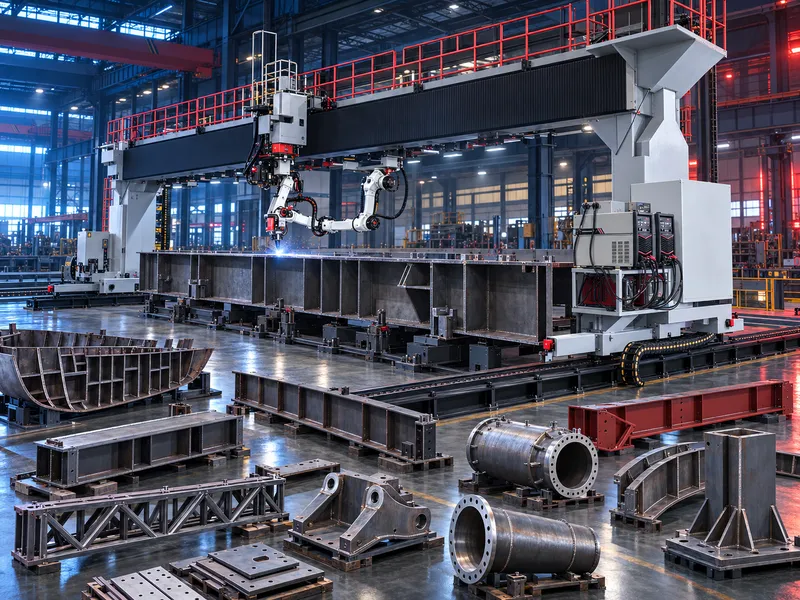 HRGWR Gantry Robot Welding WorkstationIntelligent gantry robotic welding workstation for automated and flexible welding of steel structural components used in steel buildings, ships, bridges and mechanical equipment, with teaching-free programming, 3D model input and laser-vision-based reverse modeling.
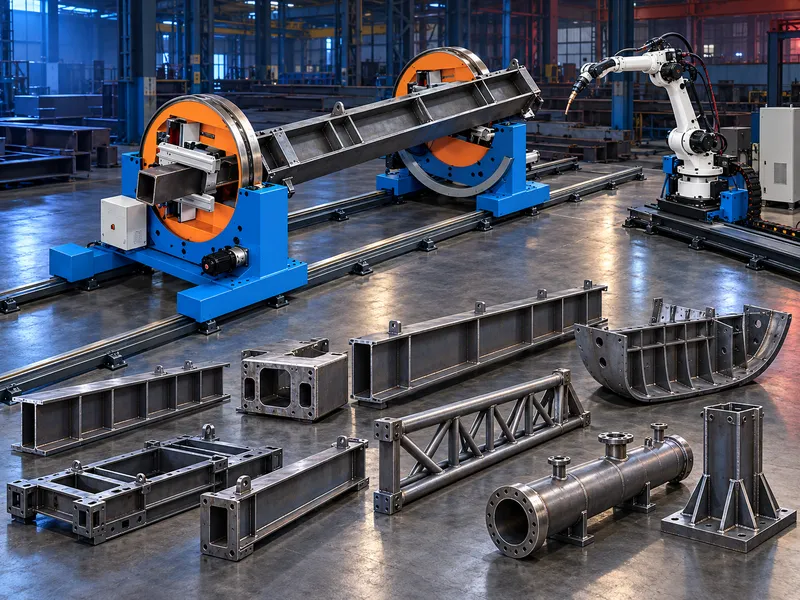 Steel Structure Flipping MachineAutomatic flipping and repositioning equipment for steel structural parts, designed to work with intelligent robotic welding workstations and reduce workpiece handling and repositioning time during automated welding.
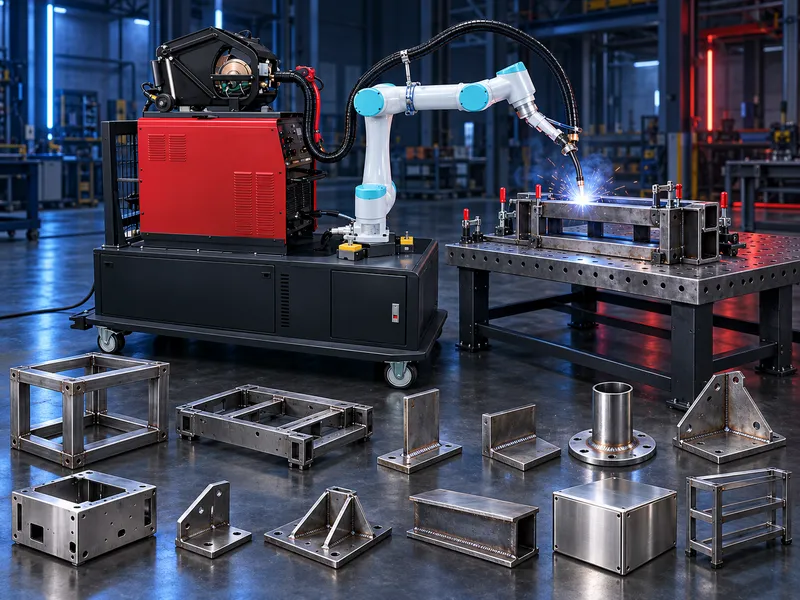 Collaborative Intelligent Welding RobotFlexible collaborative welding robot for automatic welding of metal structural parts, especially small-batch, non-standard and mixed-specification workpieces. It supports teaching and manual drag programming, flexible mounting and multiple welding processes according to the selected configuration.
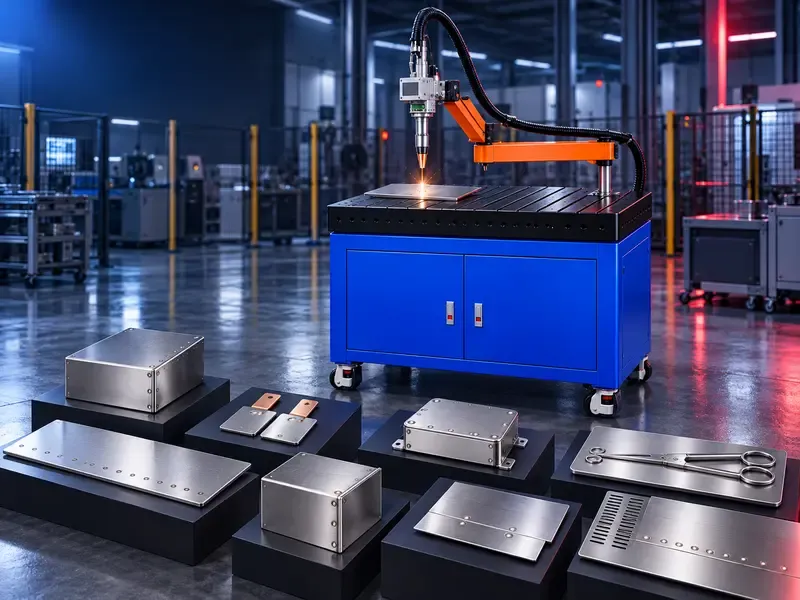 Platform Laser Spot WelderA platform-style laser spot welding machine with a stable work platform and flexible swing-arm welding head for precise joining of metal components. It is intended for applications where weld strength, controlled heat input and finished-part appearance are important.
Welding and thermal cutting equipment supports the fabrication, assembly and repair of metal components. The appropriate process may involve MIG/MAG, TIG, MMA, laser welding, robotic automation or a verified cutting method, depending on the material, thickness, joint design, welding position, required quality and production target.
Machine selection must also consider duty cycle, power supply, shielding or cutting gases, wire and consumables, fume extraction, cooling, operator skills, safety controls and automation requirements. Final capabilities and supply scope must be confirmed from the official documents and approved quotation for the selected equipment.
What it is for
- Structural steel fabrication and frames
- Stainless food and pharmaceutical equipment
- Aluminium bodywork and fabrication
- Pipe and vessel welding
- Profile cutting where a laser is not warranted
How to choose
MIG for speed, TIG for control
MIG lays metal fast and suits structural work and production. TIG gives control and a clean bead, and is what stainless and aluminium need when the joint is visible or has to pass inspection.
Duty cycle is the specification that bites
A machine rated for short bursts will drop out mid-seam in production use. Match the duty cycle to how your shop actually works, not to the peak amperage on the label.
Plasma against the alternatives
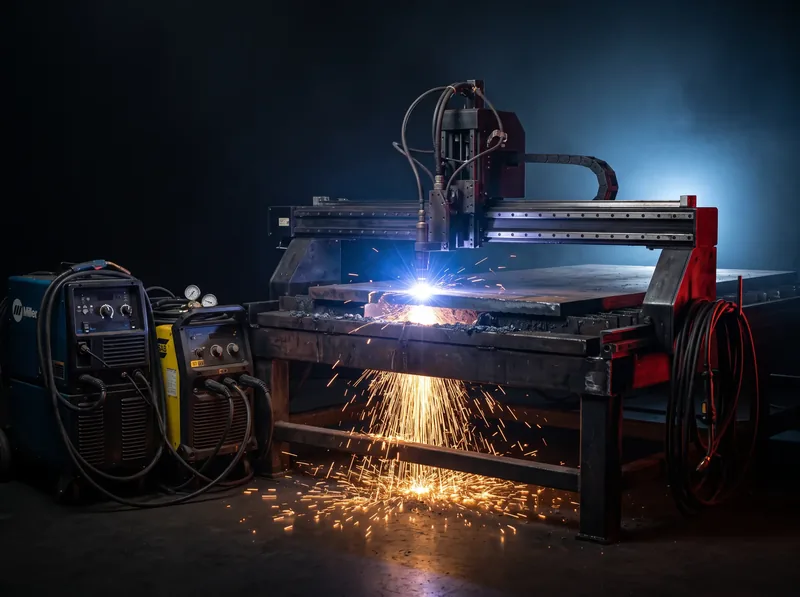
Plasma cuts thick plate quickly and cheaply. Where the edge feeds straight into welding or paint, a fiber laser removes the dressing step — worth comparing before assuming plasma is cheaper overall.
Consumables decide running cost
Tips, nozzles, wire and gas are the ongoing spend. Buying equipment whose consumables are stocked locally is worth more than a small saving on the machine.
Questions we are asked
What information is required to select welding equipment?
Provide the material grade, thickness, joint design, welding position, part drawings, required quality, inspection criteria, batch size and production target.
What is the difference between MIG/MAG and TIG welding?
MIG/MAG commonly supports productive wire-fed welding, while TIG offers controlled welding for suitable precision and appearance requirements. The correct process depends on the material, thickness, joint and production needs.
How should duty cycle be evaluated?
Duty cycle must be reviewed at the required current and under the stated test conditions. Compare it with the weld length, operating time, batch size, cooling method and number of shifts.
When is robotic welding appropriate?
Robotic welding may suit repeatable parts with controlled fit-up, suitable fixtures and sufficient production volume. Part variation, sensing, programming, handling and safety must be evaluated.
How is a laser welding machine selected?
Selection requires the material, thickness, joint geometry, fit-up, penetration requirement, appearance, production volume, process trials, extraction and safety requirements.
Are installation, training, consumables and warranty included?
The approved quotation must define installation, commissioning, training, consumables, warranty, maintenance and technical-support responsibilities.
Tell us the part you need to make
An engineer reads every request. Usually the same working day.
Related
- Sheet Metal Fabrication Machines Sheet metal machinery for cutting, punching, bending, rolling and forming, selected according to the material, thickness, part geometry, required quality and production target.
- Fiber Laser Cutting Machines for Sheet, Tube and Profiles Fiber laser cutting solutions for suitable metal sheets, tubes and profiles, selected according to the material, dimensions, thickness, part geometry, cut requirements and production target.
- Industrial tooling & machine spare parts The machine is the investment. The right tooling and reliable spare-parts availability are what keep production running and reduce costly downtime.