

CNC Machining Solutions
CNC Machine Tools for Precision Machining
CNC milling, turning, drilling, boring and grinding solutions selected according to the part drawing, material, dimensions, tolerances, finish and production requirements.
Types in this category
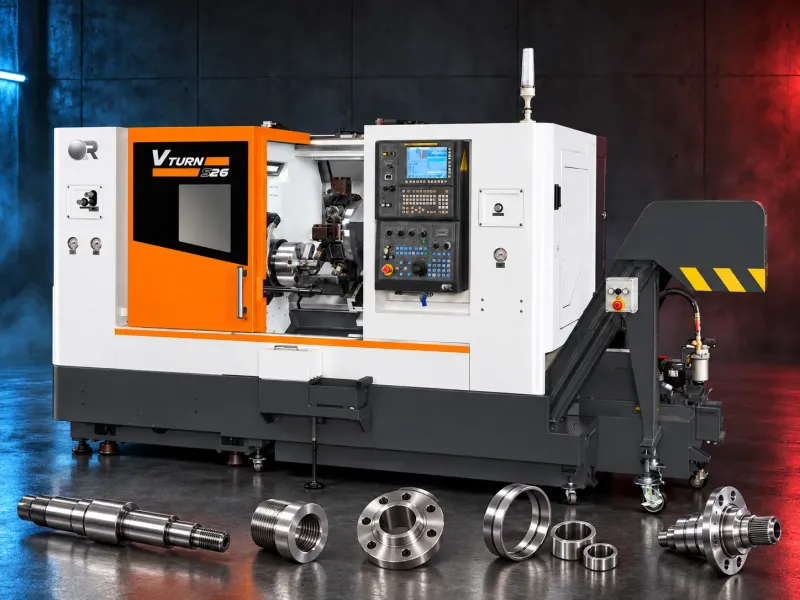 VICTOR Slant-Bed LathesSlant-bed CNC turning machines from VICTOR Taichung for machining shafts, bushings, flanges, threaded parts, and other rotational components. The appropriate model is selected according to the workpiece, operations, accuracy, and production requirements.
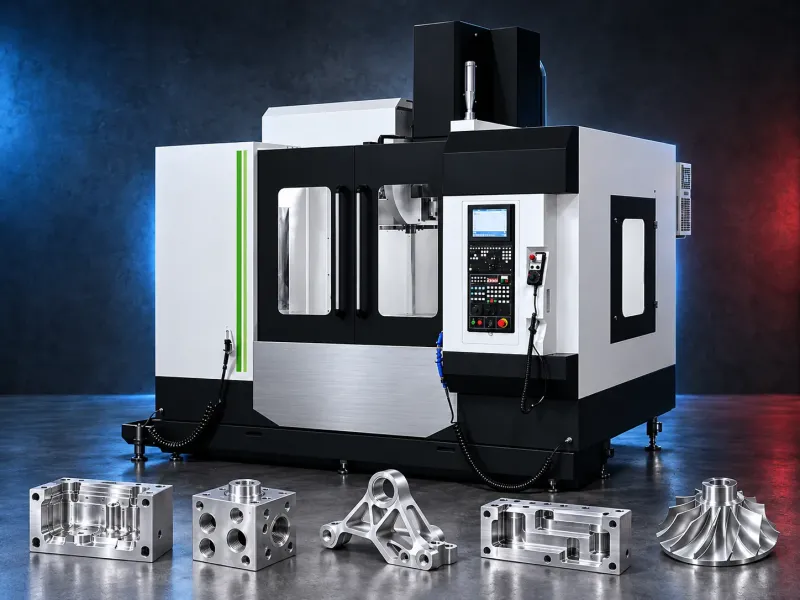 CNC Vertical Machining Center (VMC)Vertical CNC machining solutions for milling, drilling, tapping and producing engineered metal components.
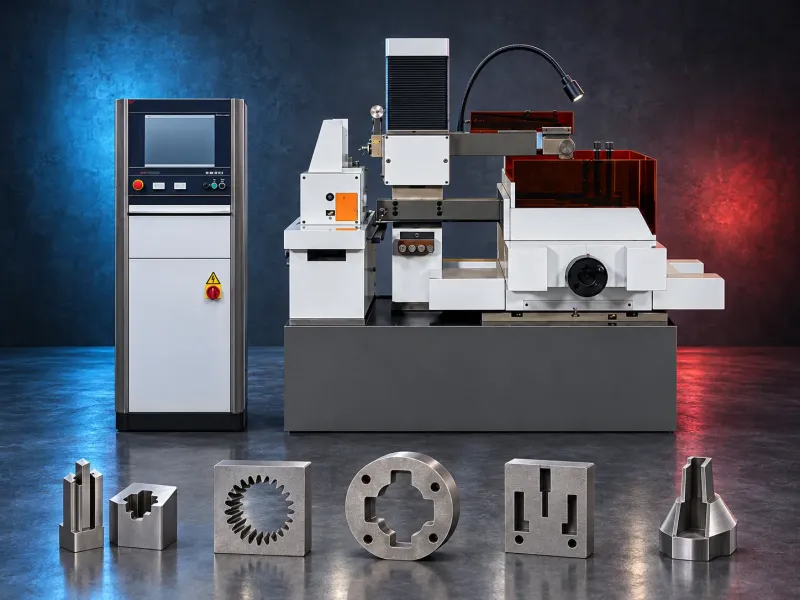 CNC Wire EDM MachinesPrecision machining solutions for producing complex profiles in electrically conductive materials using a CNC-controlled wire electrode.
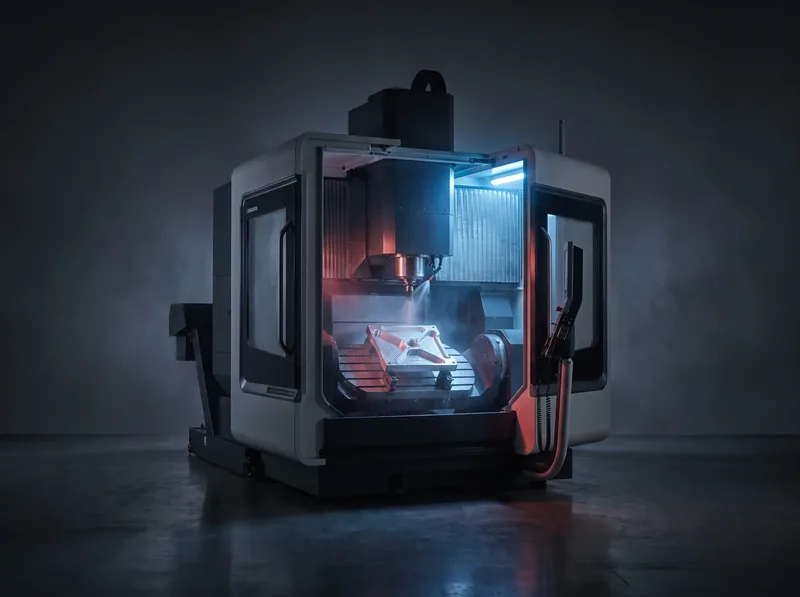
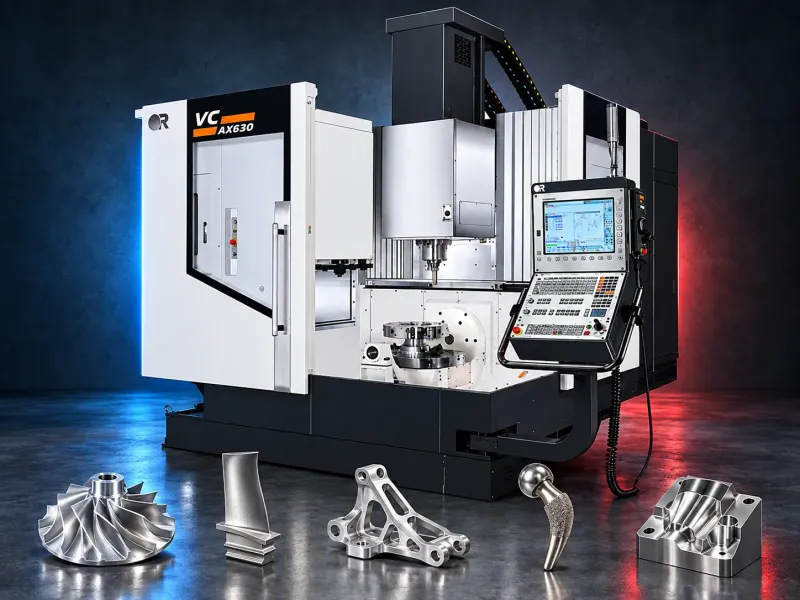 5-Axis CNC Milling MachinesAdvanced CNC milling solutions for machining complex, multi-sided parts with fewer setups. Available configurations may support 3+2 positioning or simultaneous 5-axis machining.
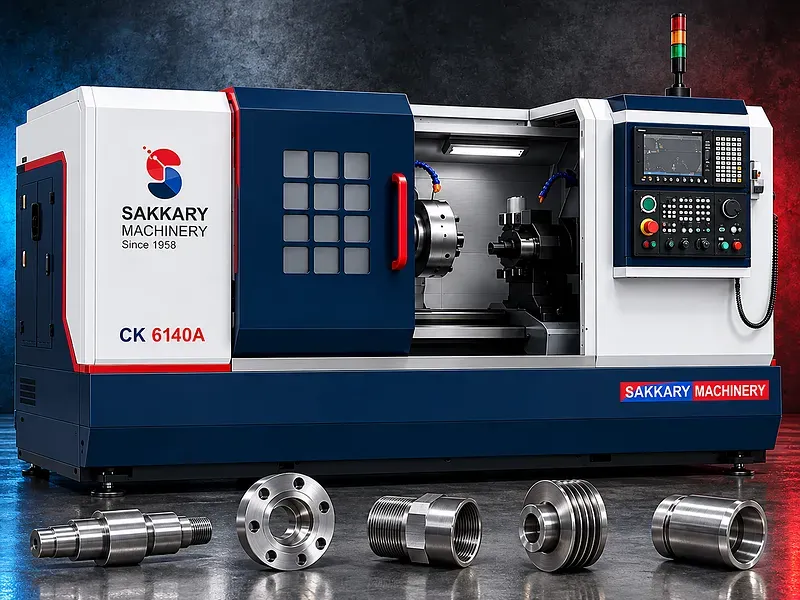 Flat-Bed CNC LathesCNC turning solutions for shafts, rollers, flanges and cylindrical components, with machine sizes and configurations selected according to the workpiece and production requirements.
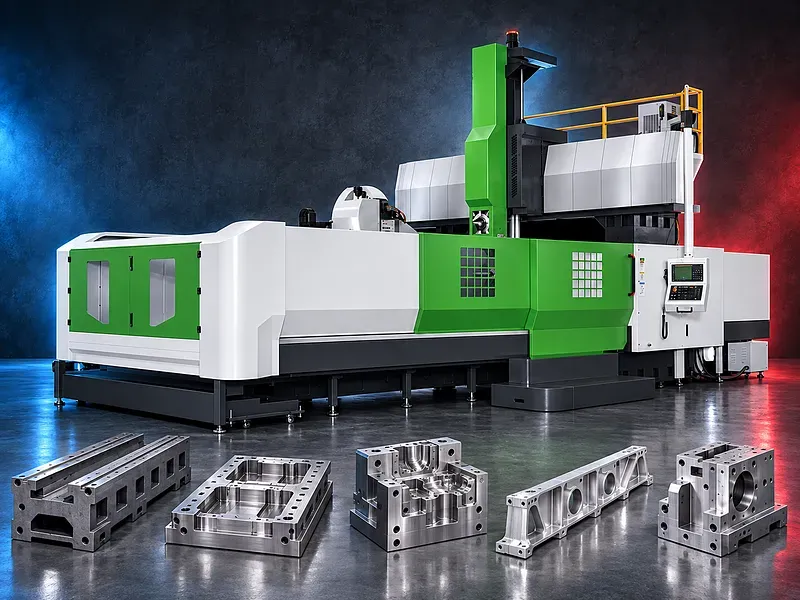 CNC Double Column Machining CentersDouble-column CNC machining centers for milling large, long and heavy components, with configurations selected according to the workpiece and machining requirements.
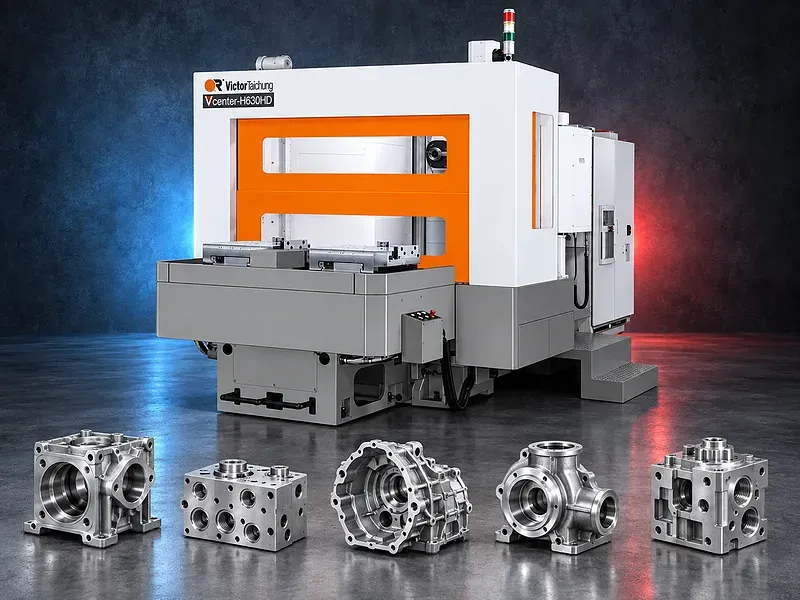 CNC Horizontal Machining CentersHorizontal CNC machining centers for milling, drilling and boring multi-sided components, with configurations selected according to the part and production requirements.
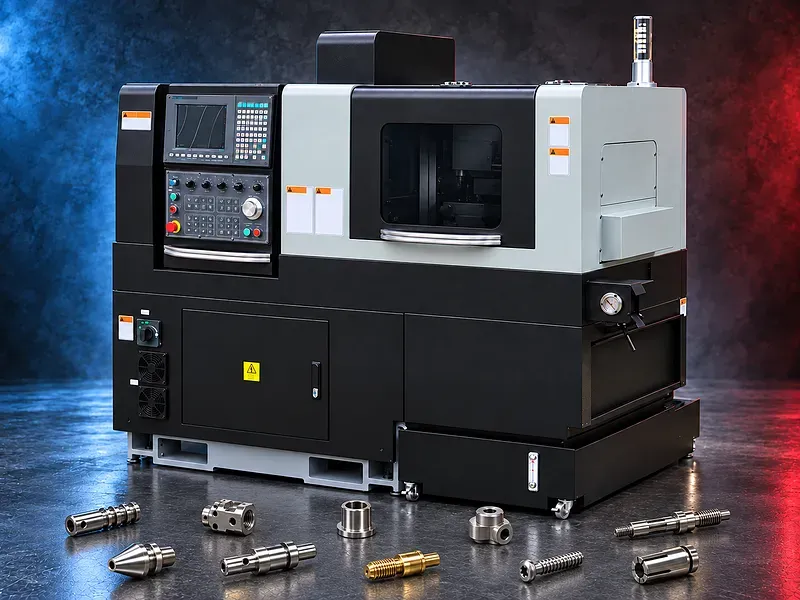 Swiss-Type CNC LathesCNC sliding-headstock lathes for producing small, complex and slender turned components from bar stock, with configurations selected according to the part and production requirements.
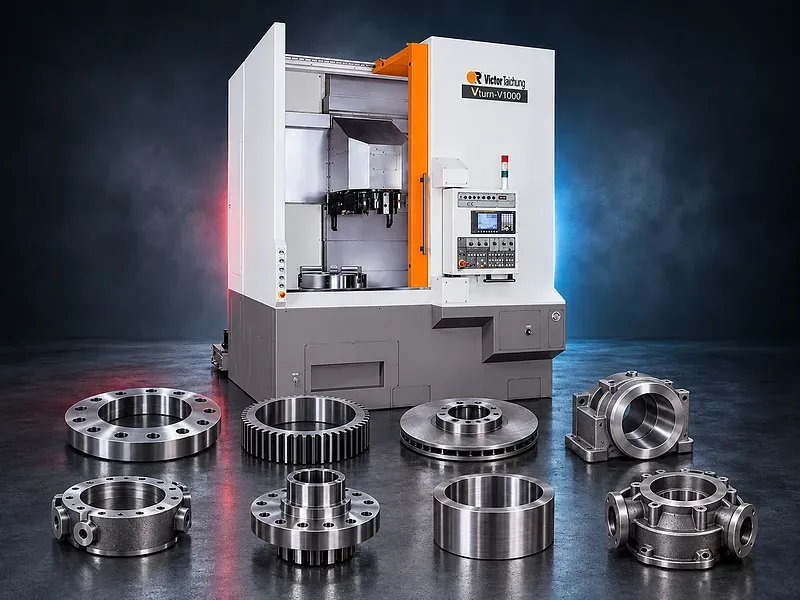 CNC Vertical LathesVertical CNC turning solutions for large-diameter, heavy and irregular components, with machine capacity and tooling selected according to the workpiece requirements.
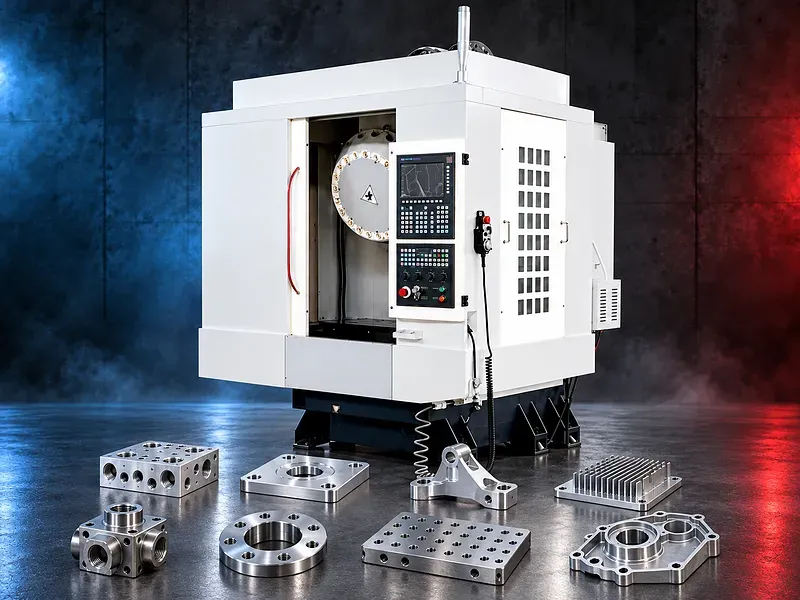 CNC Drilling & Tapping CentersCompact CNC machining centers for drilling, tapping and milling components, with spindle, tooling and axis configurations selected according to the application.
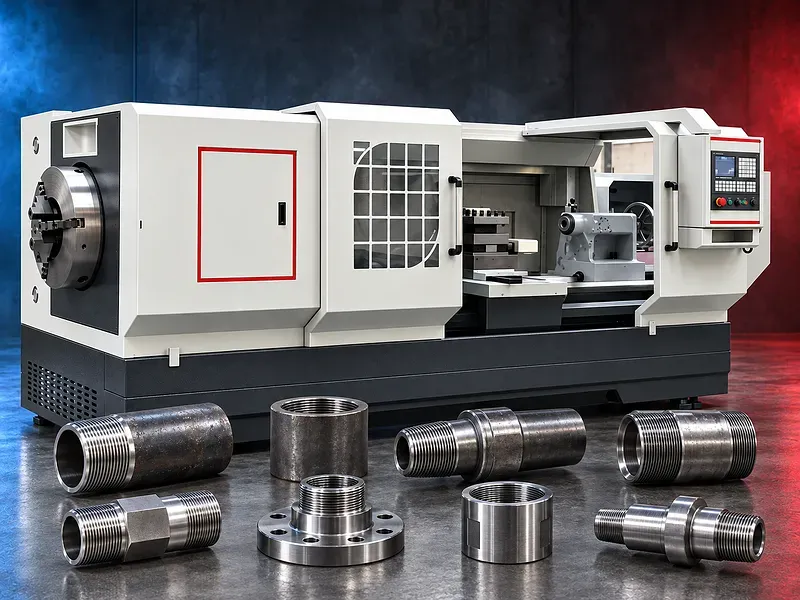 CNC Pipe Threading LathesCNC lathes for turning and threading pipes, tubes and couplings, with spindle bore, workholding and threading capabilities selected for the application.
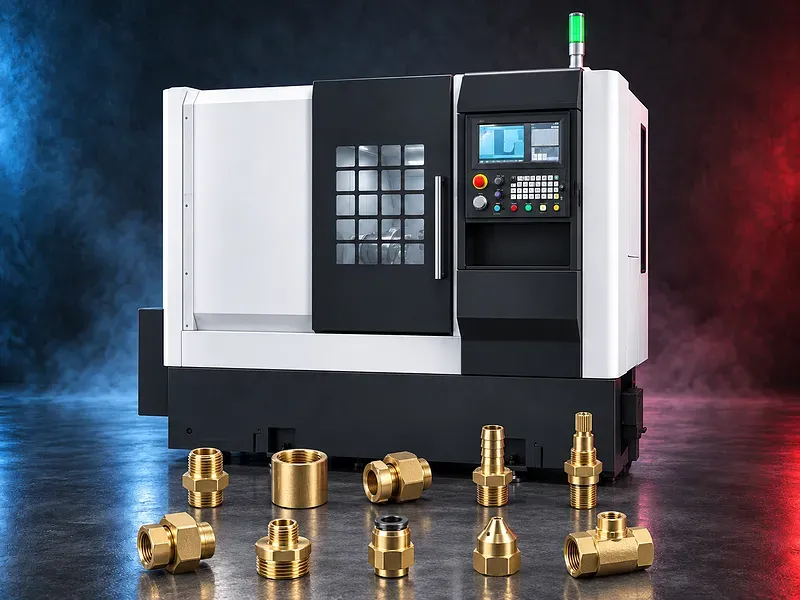 CNC Production LathesCNC turning solutions for repeat production of cylindrical components, with spindle, tooling, workholding and automation selected around the finished part.
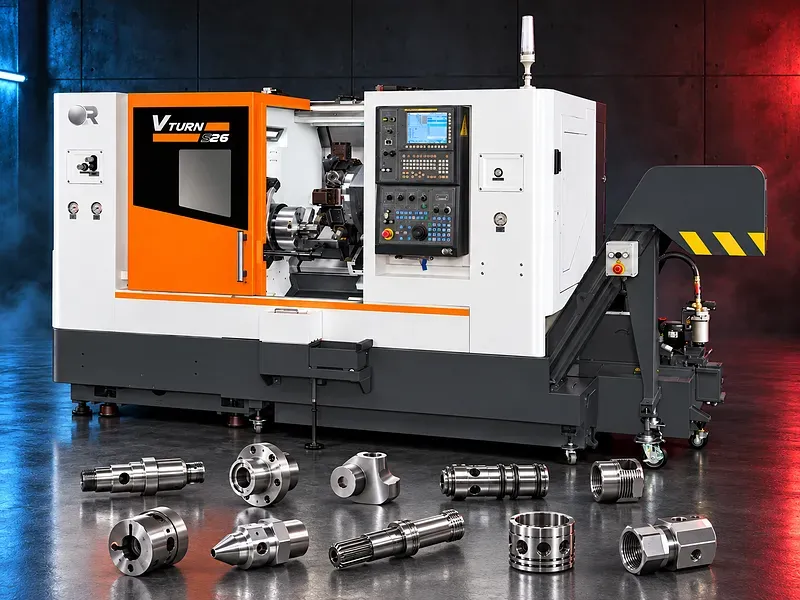 3 Axis CNC TurningA CNC turning machine with driven tooling for selected turning, drilling, and milling operations. Machine selection depends on the part drawing, material, dimensions, tolerances, and production requirements.
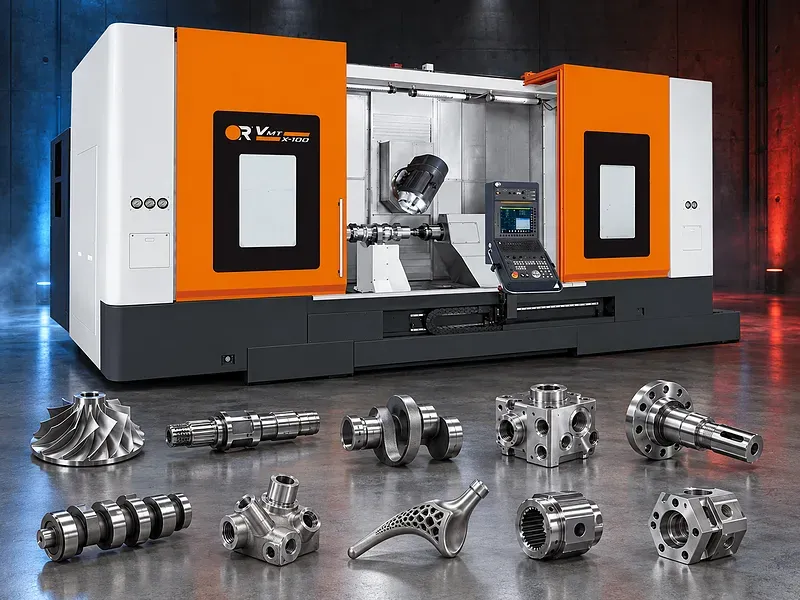 Multi-tasking Milling Turning CenterA CNC machining center that combines turning, milling, drilling, and other supported operations in one production platform. The correct configuration depends on the part geometry, material, tolerances, and production requirements.
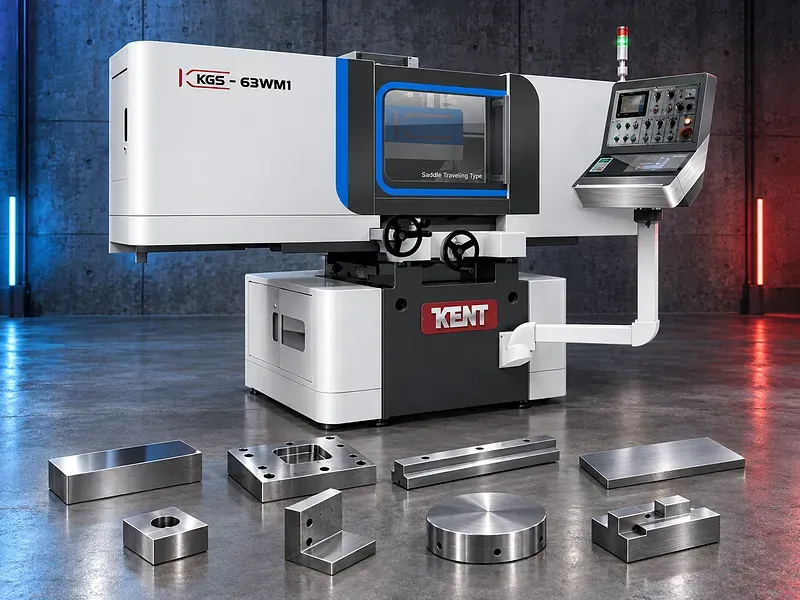 CNC Grinding MachinesCNC grinding machines are used for controlled surface finishing and precision material removal. Selection depends on the grinding operation, part geometry, material, tolerances, surface finish, and production volume.
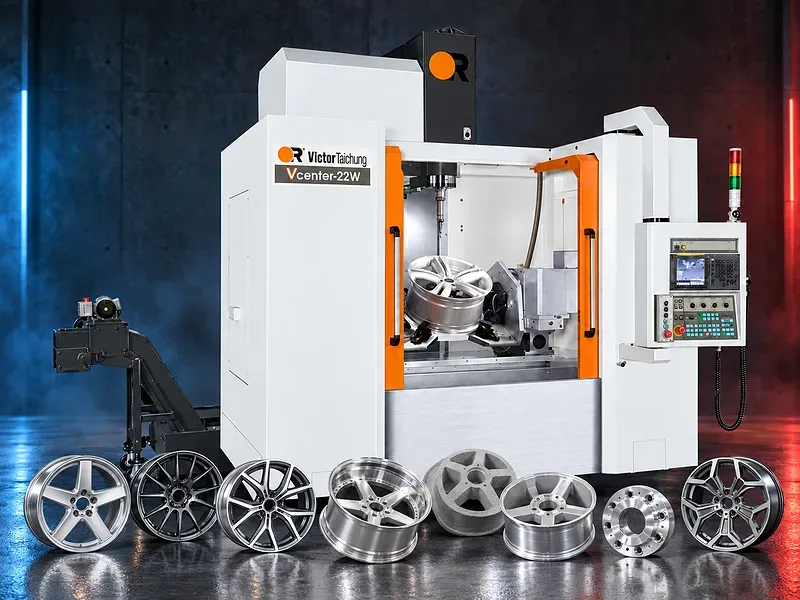 Alloy Wheel Machining CenterA CNC machining center configured for controlled machining of alloy wheels. Machine selection depends on the wheel material, manufacturing stage, dimensions, geometry, tolerances, finish requirements, and production volume.
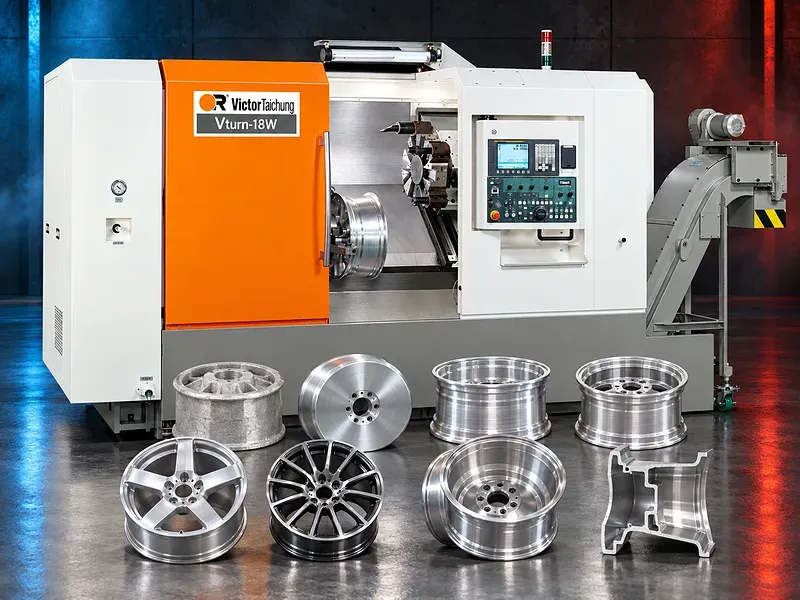 Alloy Wheel Lathe SeriesA series of CNC lathes configured for controlled turning of alloy-wheel blanks and semi-finished wheels. Model selection depends on wheel dimensions, material, blank condition, tolerances, surface finish, and production target.
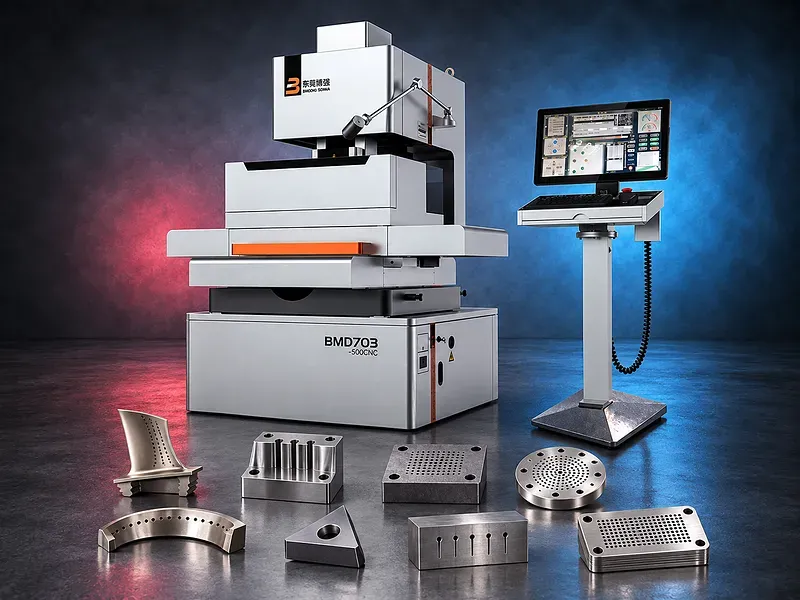 CNC EDM DRILLA CNC electrical-discharge drilling machine for producing small and deep holes in suitable electrically conductive materials. Selection depends on the material, hole dimensions, tolerance, entry surface, flushing conditions, and production requirements.
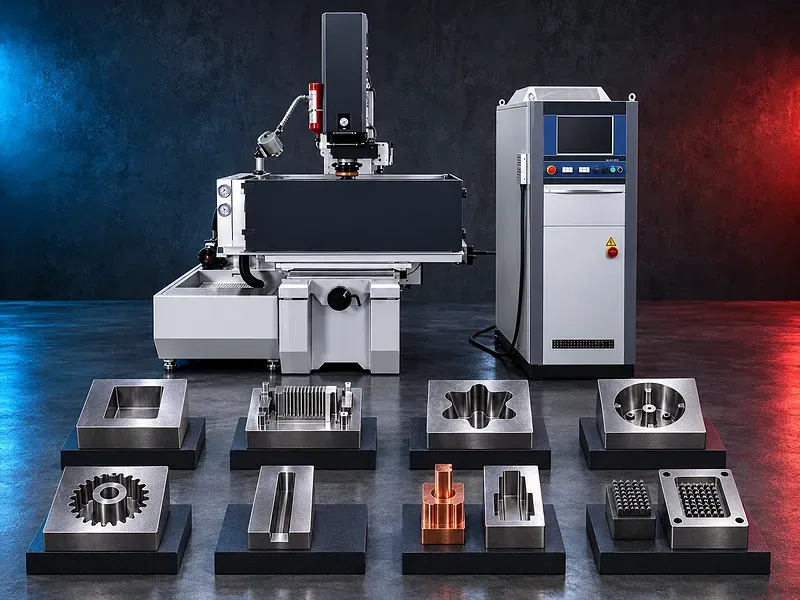 PNC EDM Die Sinking MachineA die-sinking EDM machine for producing cavities, profiles, ribs, internal corners, and detailed features in suitable electrically conductive workpieces. Machine selection depends on the component, electrode, cavity geometry, material, accuracy, surface finish, and production requirements.
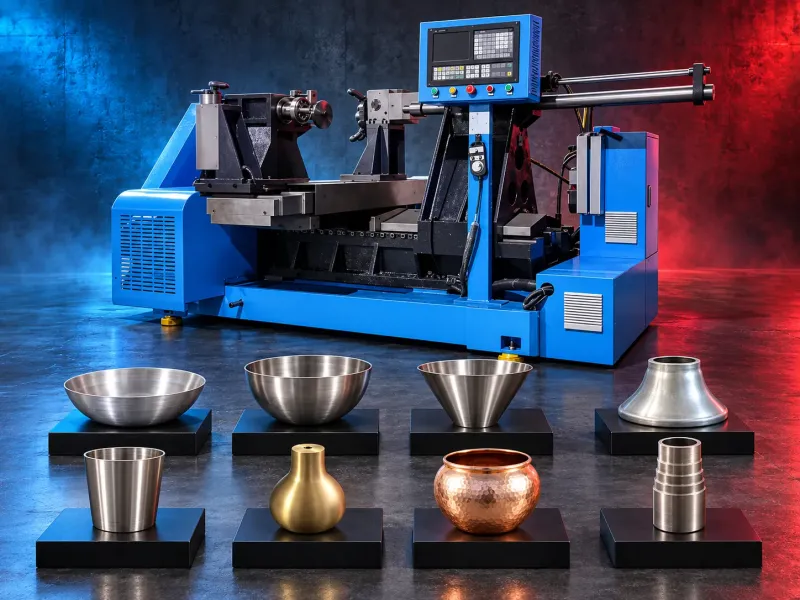 Metal Lathe Spinning MachineA metal-forming lathe for producing suitable hollow and rotationally symmetrical components from flat or preformed blanks. Machine selection depends on the material, blank dimensions, thickness, final geometry, tooling, tolerances, and production target.
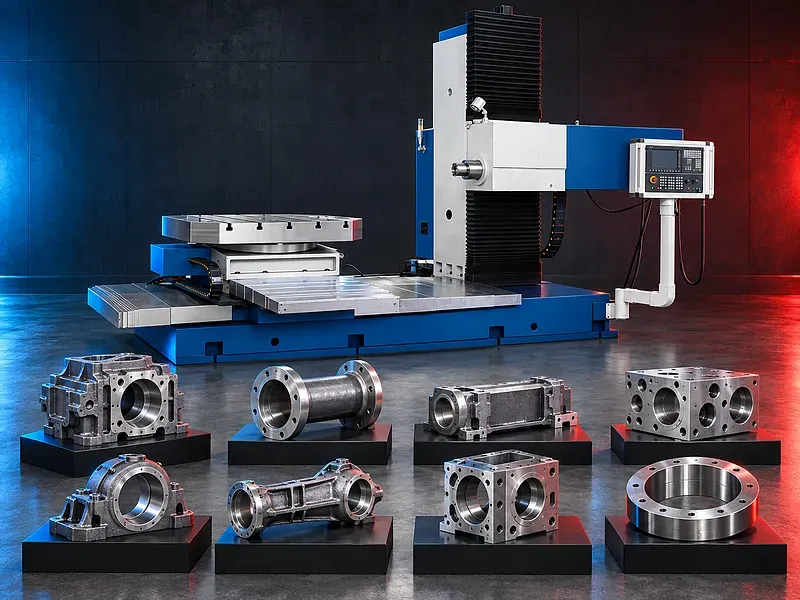 Horizontal CNC Boring MachineHorizontal CNC boring machines position the spindle on a horizontal axis for controlled boring, drilling, milling, facing, and other supported operations on large or complex components. The correct machine depends on the part geometry, material, bore requirements, working envelope, axes, workholding, accuracy, and required output.
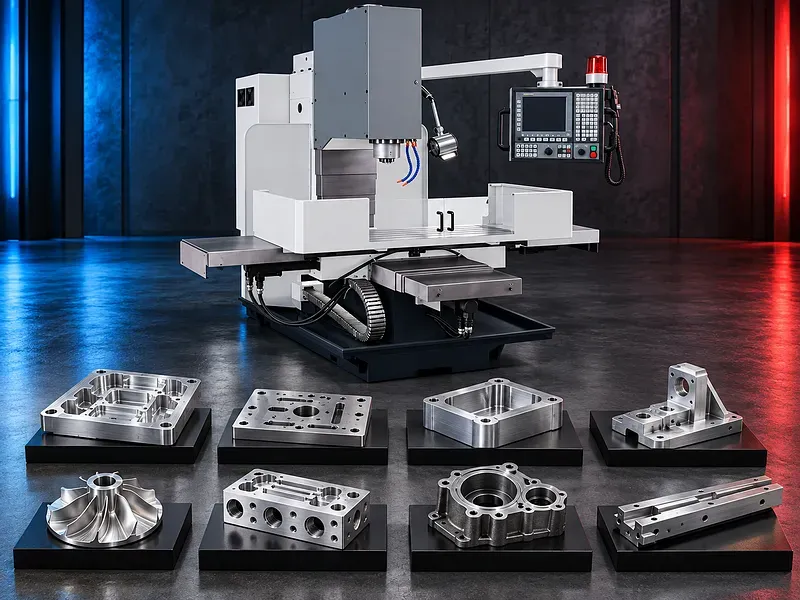 CNC Bed Type Milling MachineA CNC bed type milling machine with partial guarding for supported milling, drilling, and related operations on jigs, fixtures, molds, development parts, and varied small batch work. The correct configuration depends on the component, material, working envelope, spindle, axes, tooling, accuracy, guarding, and required output.
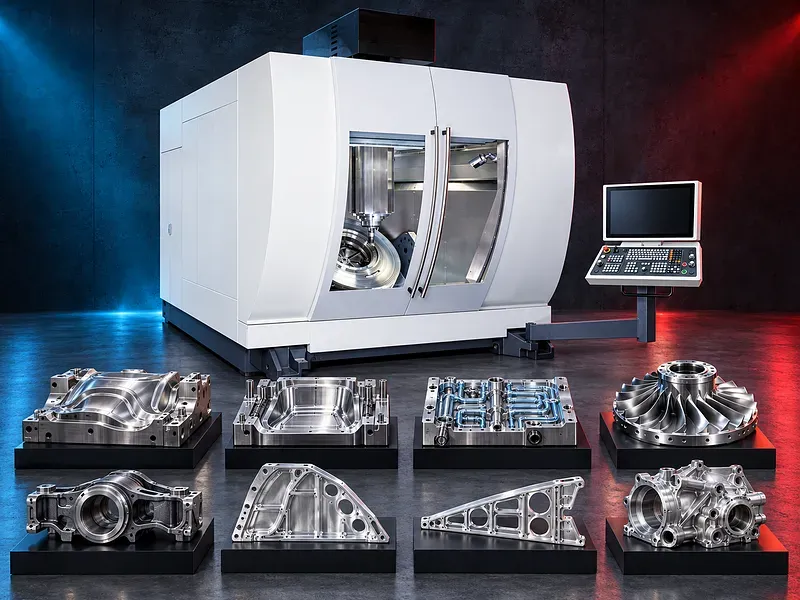 5 Axis Gantry Machining CenterA 5 axis gantry machining center combines a large bridge structure with coordinated linear and rotary axes for supported machining of dies, molds, tooling, structural components, and complex surfaces. The correct configuration depends on the part size, material, geometry, tolerances, finish, table load, spindle, head kinematics, automation, and required output.
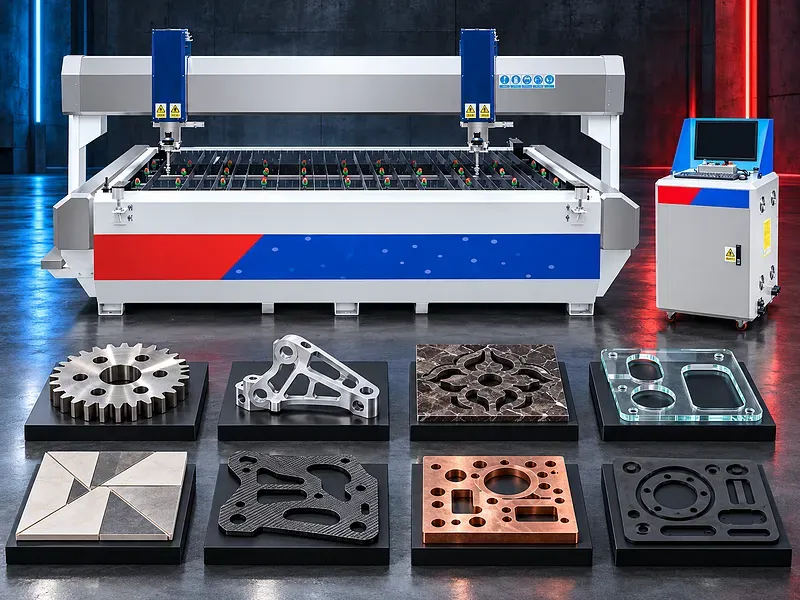 Waterjet Cutting MachinesWaterjet cutting machines use a controlled high pressure water stream, with or without abrasive, to cut suitable materials without the thermal cutting zone associated with laser, plasma, or flame processes. The correct system depends on the material, thickness, part geometry, edge quality, tolerance, batch size, consumables, utilities, and required output.
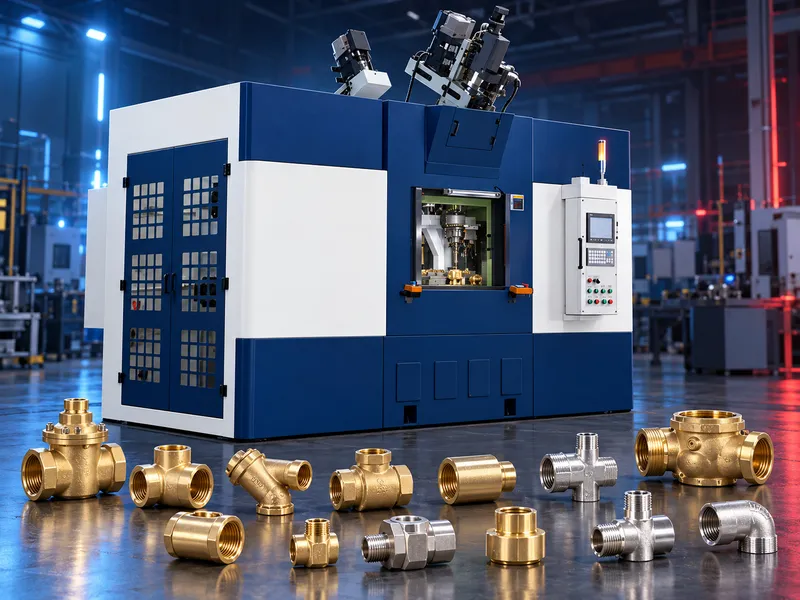 Multi-Axis CNC Transfer MachineMulti-axis fully servo hydraulic hybrid transfer machining solution for repetitive machining of brass and copper-alloy valves, fittings and related components, combining multiple operations in one clamping according to the selected machine configuration
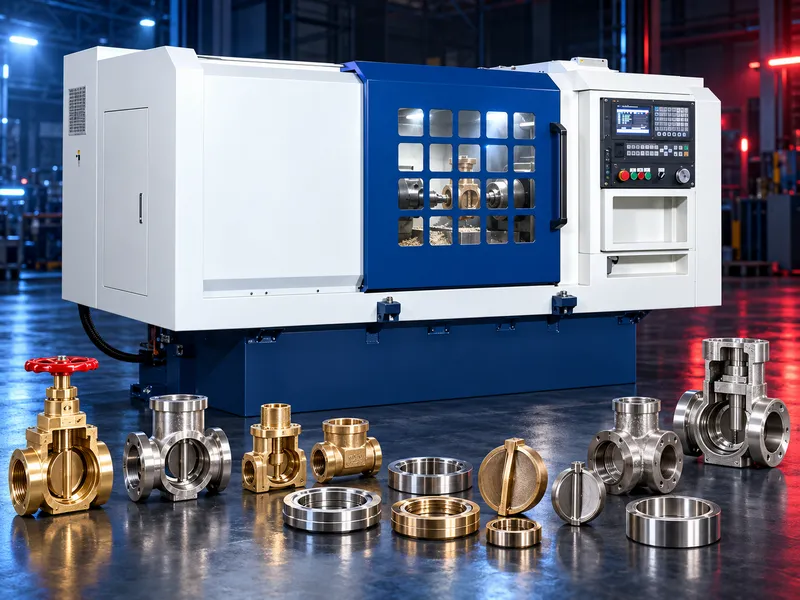 CNC Gate Valve Sealing Surface MachineSpecial-purpose CNC machine for machining sealing surfaces and related features on gate valve components, designed for efficient production of brass and stainless-steel valve parts within the verified size range.
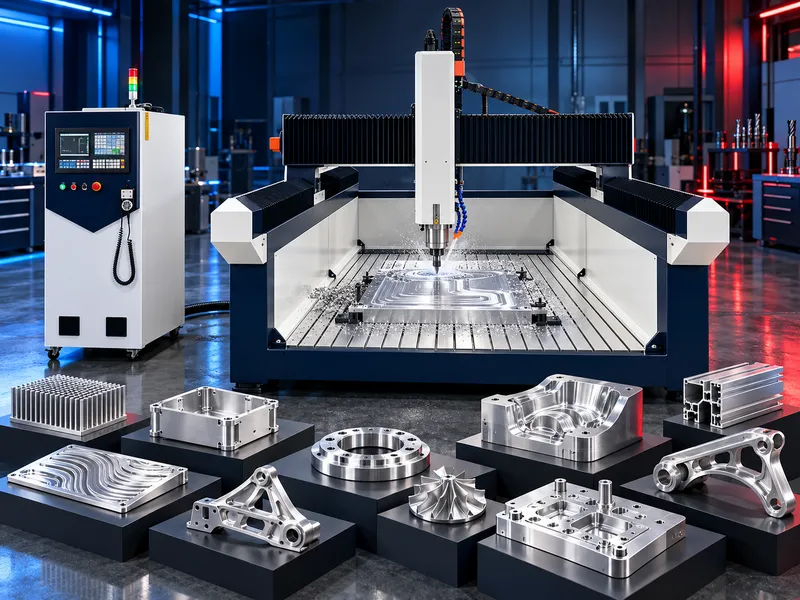 Aluminum CNC RouterCNC routing and milling solution for aluminum sheets, plates, composite panels and suitable profiles — configured around workpiece size, alloy, thickness, tolerance, surface finish, production volume and automation requirements.
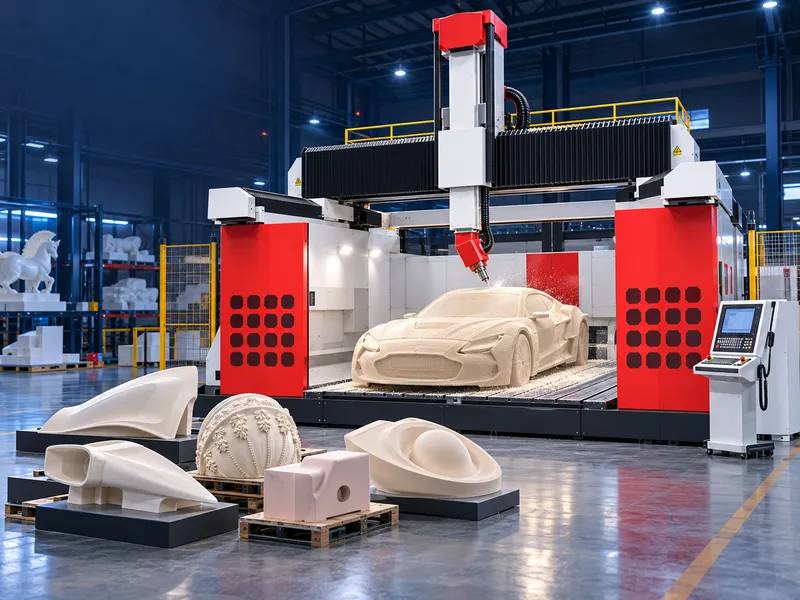 5-Axis Gantry CNC RouterA large-format 5-axis CNC machining center with a moving-gantry structure for complex non-metal workpieces, oversized models and applications requiring multi-axis machining and fine surface quality.
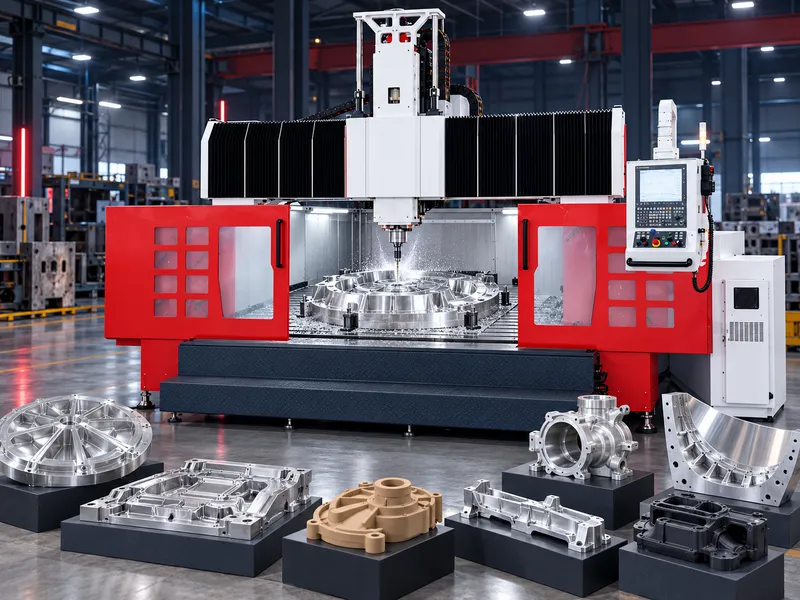 Large-Format CNC Machining CenterA large-format CNC machining solution for aluminum, copper, wood, MDF, fiberglass, sand, epoxy, plastics and composite materials, developed for pattern making, mold-related work and large industrial components. The supplied machine information highlights high-speed spindle machining, XYZ ballscrew transmission and a rigid gantry structure for milling, drilling, tapping, boring and engraving applications.
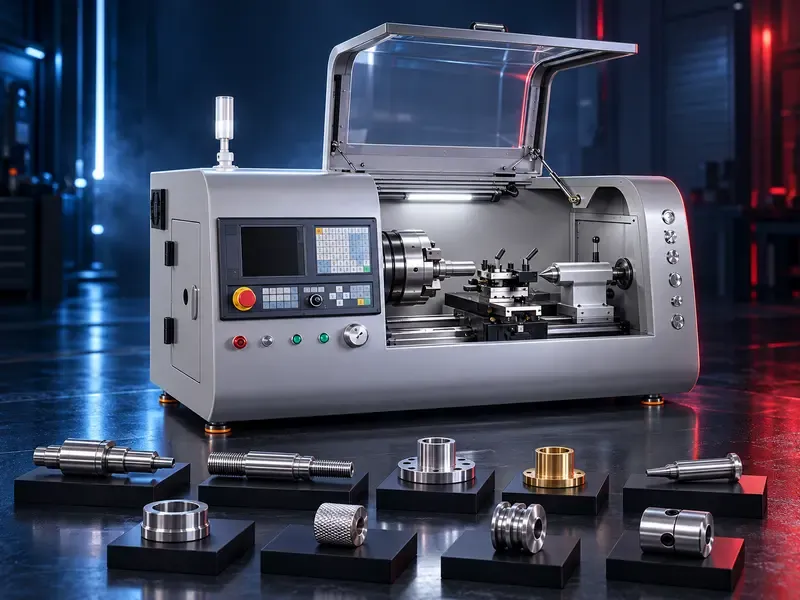 Mini CNC Lathe MachineA compact CNC lathe designed for controlled turning operations using a direct-drive spindle, brushless DC spindle motor, X/Z ball-screw feed system, manual 3-jaw chuck, configurable tool-post arrangement and manual tailstock.
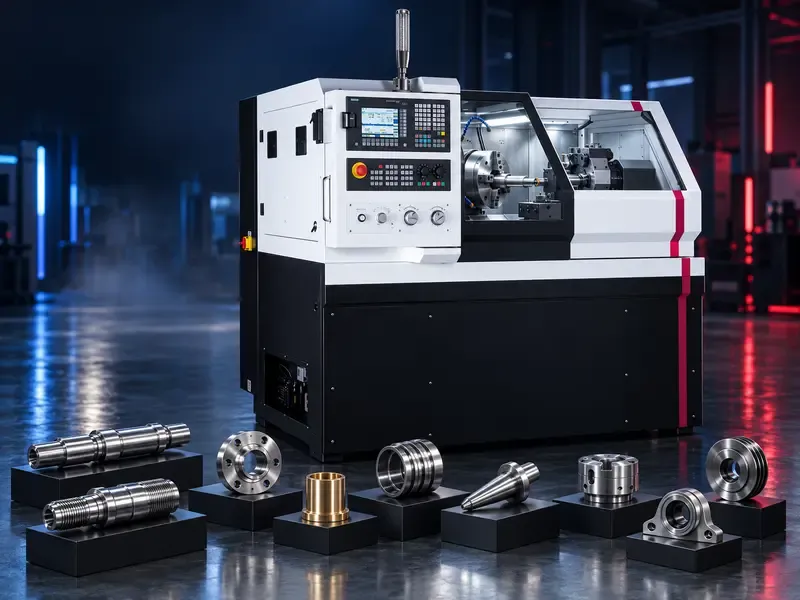 Mini CNC Lathe MachineA compact CNC lathe designed for controlled turning operations using a direct-drive spindle, brushless DC spindle motor, X/Z ball-screw feed system, manual 3-jaw chuck, configurable tool-post arrangement and manual tailstock.
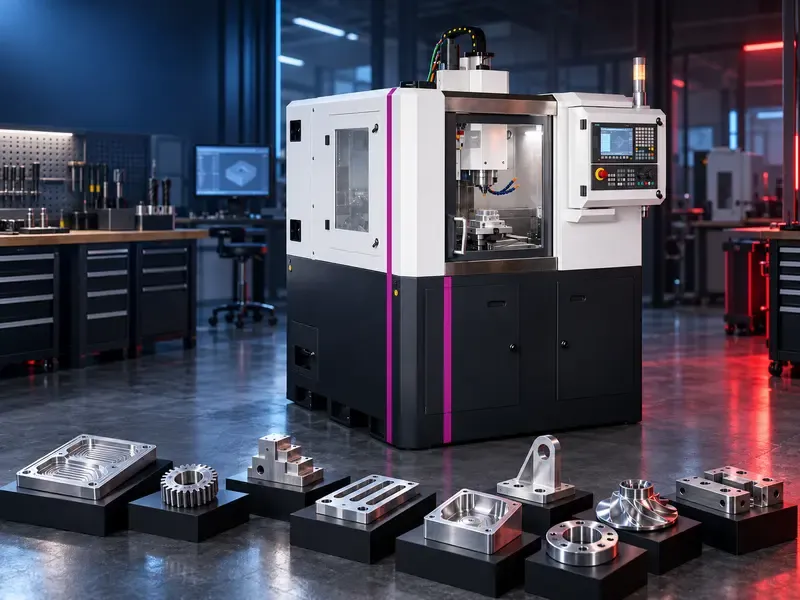 CNC Milling Machine for TrainingA compact CNC milling machine developed for small-part machining, CNC teaching and practical technical training. Its rigid motion components, linear guideways and CNC control architecture make it suitable for training centers, technical schools, laboratories and workshops that need hands-on milling instruction.
CNC machine tools use programmed axis movement to perform controlled machining operations on suitable components. Available solutions may include CNC lathes, vertical and horizontal machining centers, multi-axis machines, grinding machines and specialized machining systems.
Selecting the correct machine starts with the finished-part drawing, material, starting blank, dimensions, weight, required operations, tolerances, surface finish, batch size and production target. Spindle, axes, tooling, workholding, measurement, software, automation, utilities and site conditions must also be reviewed.
What it is for
- - Producing prismatic and rotational components from approved drawings
- - CNC milling, turning, drilling, boring, tapping and suitable grinding operations
- - Machining shafts, housings, flanges, sleeves, fixtures and engineered components
- - Producing moulds, dies, tooling and complex multi-sided parts
- - Developing prototypes and transferring verified programs into repeat production
- - Supporting specialized machining applications with the correct configuration
How to choose
- Start with the finished part
- Define the complete machining process
- Provide the part drawing, material, starting blank, finished dimensions, tolerances, surface finish, quantities and required operations. Machine selection should follow the complete process plan rather than a preferred model or spindle power.
- Select the correct machine architecture
- Compare turning, milling and combined operations
- Rotational components may suit a CNC lathe, while prismatic parts may suit a machining center. Parts requiring both processes may need separate machines or a verified multitasking configuration, depending on geometry and production volume.
- Confirm the working envelope and axes
- Check part size, weight and tool access
- Review travels, swing, distance between centres, spindle bore, table dimensions, table load, axis arrangement and rotary-axis movement. Allow for fixtures, tools, probing and safe clearance around the actual component.
- Match the spindle, tooling and workholding
- Configure the complete machining setup
- Confirm spindle speed, torque, power, taper, chuck or collet system, tool magazine, toolholders, cutting tools, coolant, chip removal and workholding. Every element must suit the material and operation.
- Define accuracy and process verification
- Match the machine to the drawing and inspection plan
- Specify positioning requirements, repeatability, dimensional and geometric tolerances and surface finish. Final results also depend on tooling, fixtures, thermal conditions, programming, measurement and process control.
- Review software, automation and site requirements
- Plan the complete production system
- Confirm CNC control, CAD/CAM compatibility, post processor, probing, bar feeding, pallet or robot automation, electricity, compressed air, cooling, extraction, foundations and material handling. The approved quotation must define the final scope.
Questions we are asked
What information is required to select a CNC machine?
Provide the part drawing, material, starting blank, dimensions, weight, operations, tolerances, surface finish, quantities, cycle target and available site utilities.
Should I choose a CNC lathe or machining center?
A CNC lathe generally suits rotational components, while a machining center generally suits prismatic parts. The final choice depends on the complete part geometry and required operations.
When is a five-axis machine required?
A five-axis configuration may suit complex multi-sided parts, difficult tool access or applications that benefit from fewer setups. The need for 3+2 or simultaneous machining must be verified from the part and process plan.
How is CNC machining accuracy verified?
Verification should use the required part drawing, inspection plan, calibrated measuring equipment and representative machining trials. Machine specifications alone do not guarantee finished-part accuracy.
When should automation be considered?
Automation may suit repeat production with stable processes and sufficient volume. Review batch size, changeovers, loading, workholding, inspection, staffing and production scheduling.
Are installation, training, software and warranty included?
The approved quotation must define installation, commissioning, training, software, tooling, warranty, maintenance, spare parts and technical-support responsibilities.
Tell us the part you need to make
An engineer reads every request. Usually the same working day.
Related
- Metalworking & Metal Fabrication Machines Metalworking solutions for machining, cutting, drilling, grinding, bending, forming and production applications, selected according to the part, material, process, accuracy and required output.
- Fiber Laser Cutting Machines for Sheet, Tube and Profiles Fiber laser cutting solutions for suitable metal sheets, tubes and profiles, selected according to the material, dimensions, thickness, part geometry, cut requirements and production target.
- Laser Marking & CO₂ Laser Machines Laser solutions for permanent marking, engraving and cutting across metals and non-metals — selected according to the material, application, working area and required production output.