

Metal Cutting Solutions
Fiber Laser Cutting Machines for Sheet, Tube and Profiles
Fiber laser cutting solutions for suitable metal sheets, tubes and profiles, selected according to the material, dimensions, thickness, part geometry, cut requirements and production target.
Types in this category
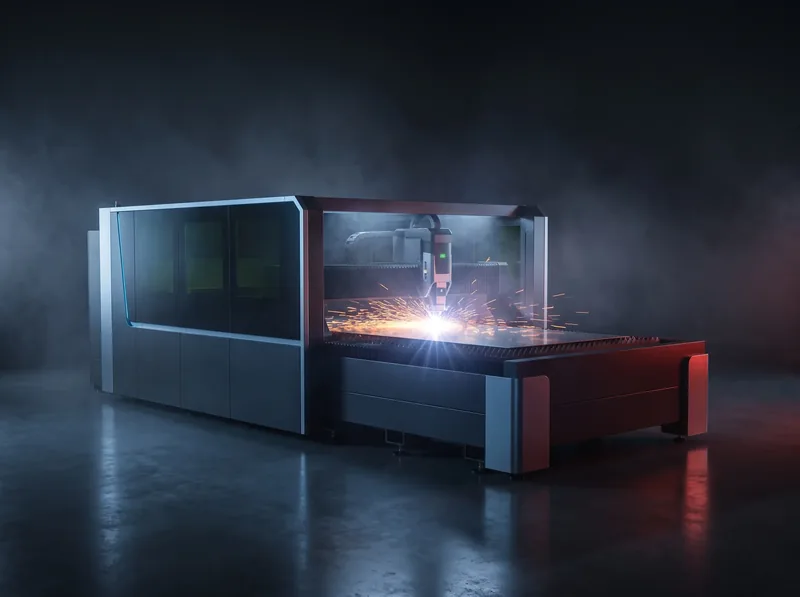
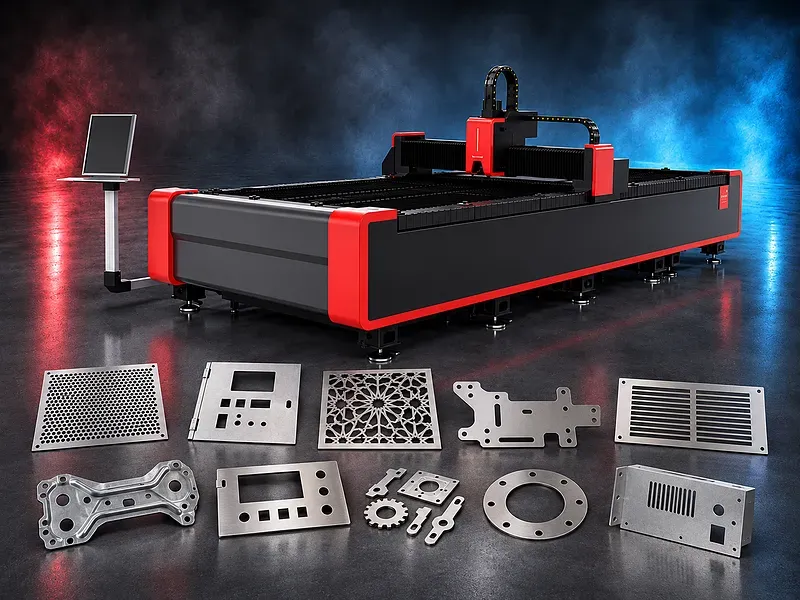 Fiber Laser CuttingIndustrial fiber laser solutions for cutting metal sheets with a configuration selected according to the material, thickness, part dimensions, required cut quality, and production target.
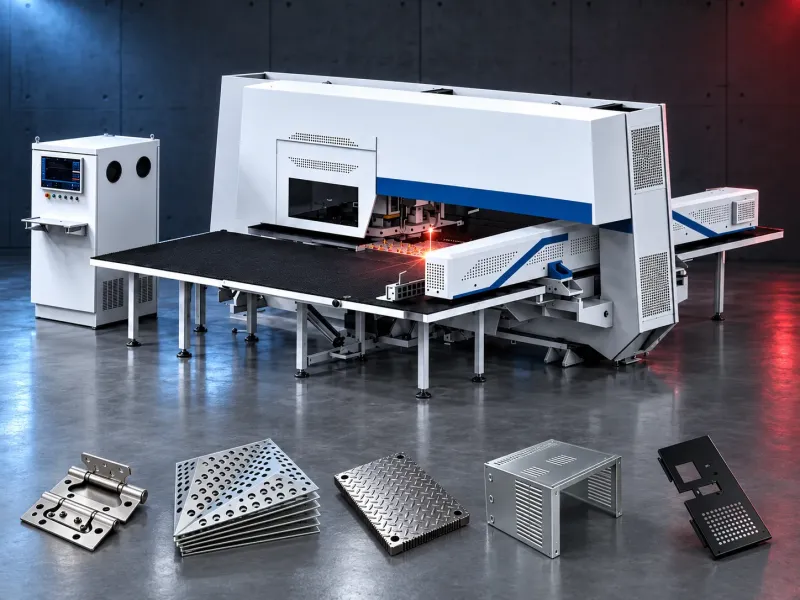 Integrated Fiber Laser ProcessingAn integrated CNC solution designed to combine compatible sheet-metal operations such as fiber laser cutting, punching, forming, and marking. Actual functions depend on the selected model and configuration.
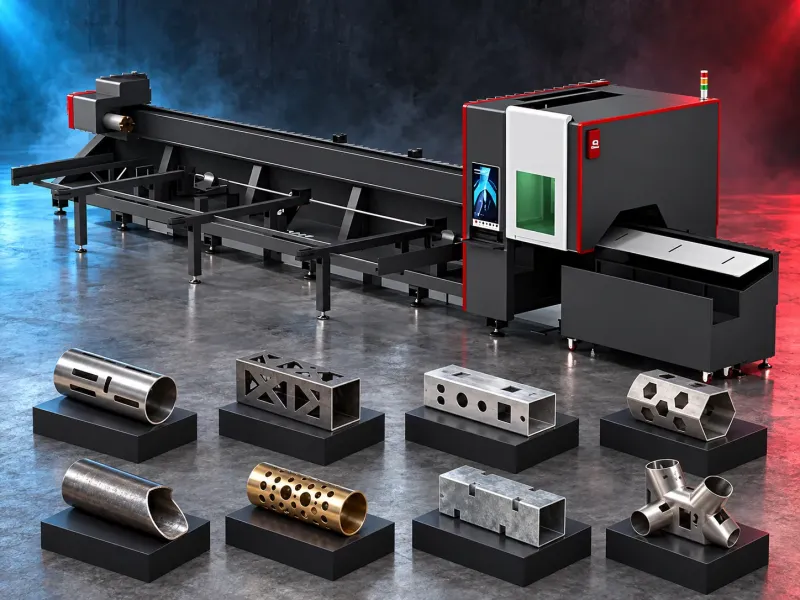 TUBE FIBER LASERA fiber laser cutting solution for suitable tubes and metal profiles. Machine selection depends on the material, section type, dimensions, wall thickness, part geometry, cutting requirements, loading method, and production target.
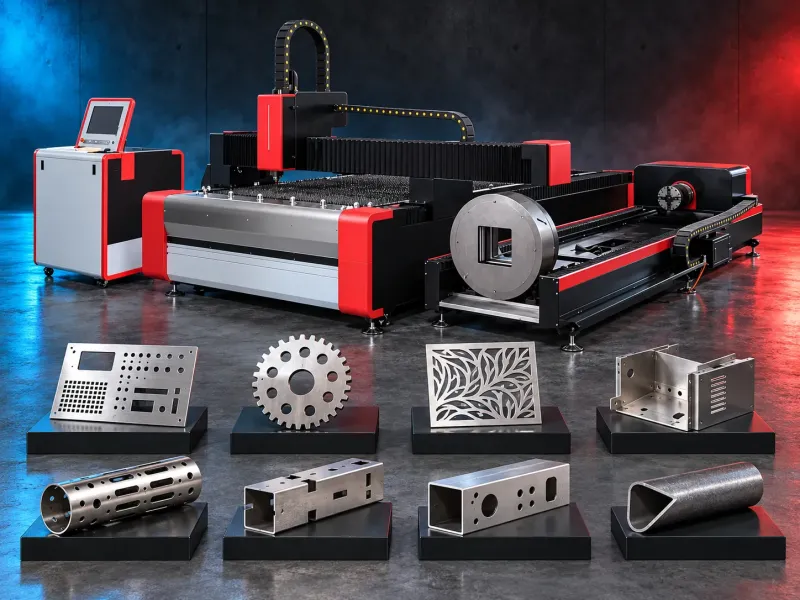 Fiber Laser Sheet and TubeA combined fiber laser solution for cutting suitable metal sheets, tubes, and profiles on one machine platform. The correct configuration depends on the materials, dimensions, thicknesses, part geometry, required quality, and production mix.
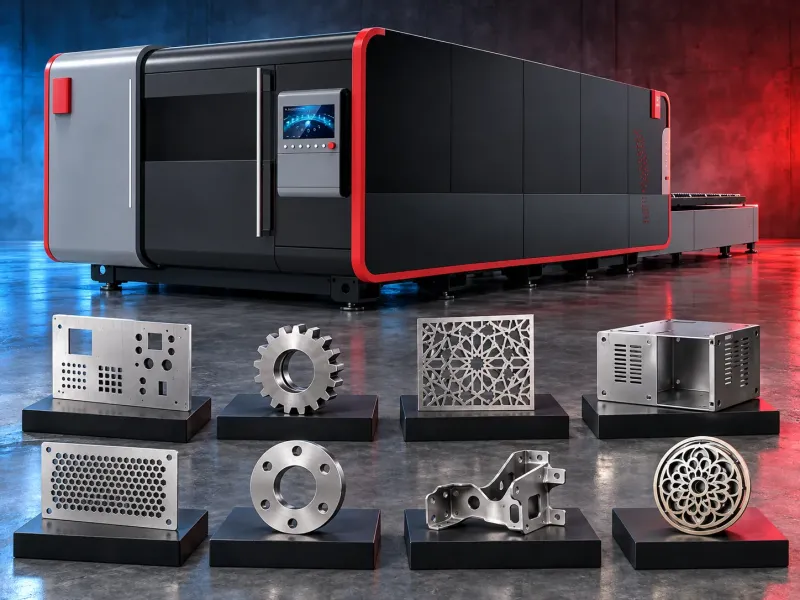 Enclosed Fiber Laser Sheet CuttingAn enclosed fiber laser machine for programmed cutting of suitable metal sheets inside a protected processing area. The correct model depends on the material, sheet size, thickness, part geometry, quality requirements, automation, and target output.
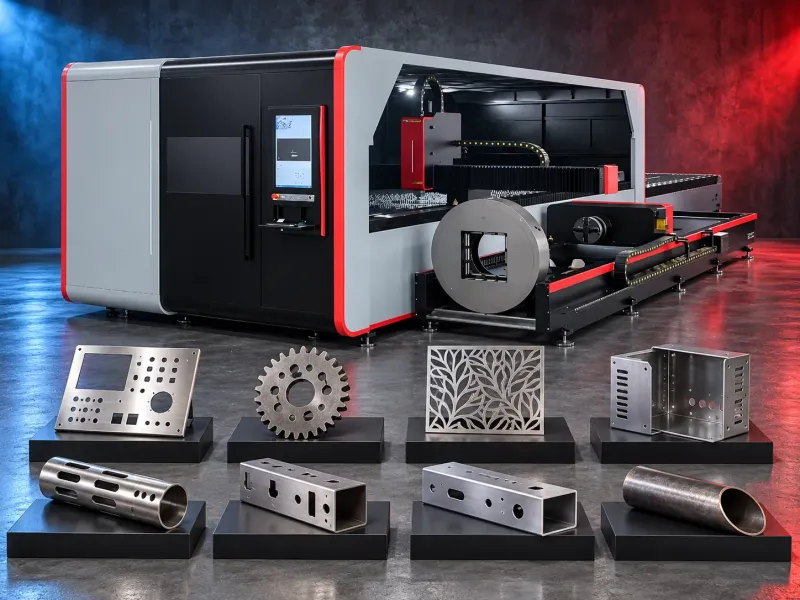 Enclosed Fiber Laser Sheet and TubeAn enclosed fiber laser solution for programmed cutting of suitable metal sheets, tubes, and profiles on one machine platform. The correct configuration depends on the materials, dimensions, thicknesses, part geometry, enclosure design, automation, quality requirements, and target output.
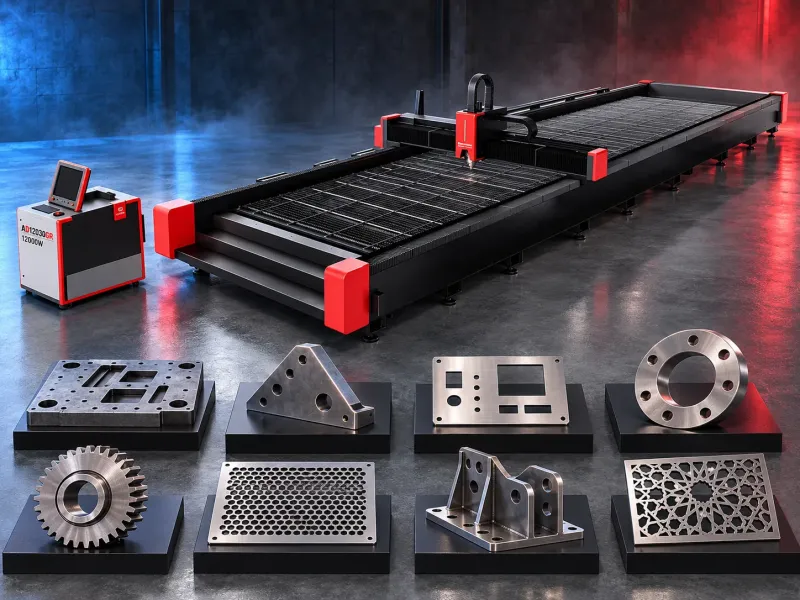 Fiber Laser 12 20 30 40 kWHigh power fiber laser cutting configurations for suitable metal sheets and plates. Selecting 12 kW, 20 kW, 30 kW, or 40 kW depends on the material, thickness range, part geometry, edge requirements, cutting gas, machine design, automation, and production target.
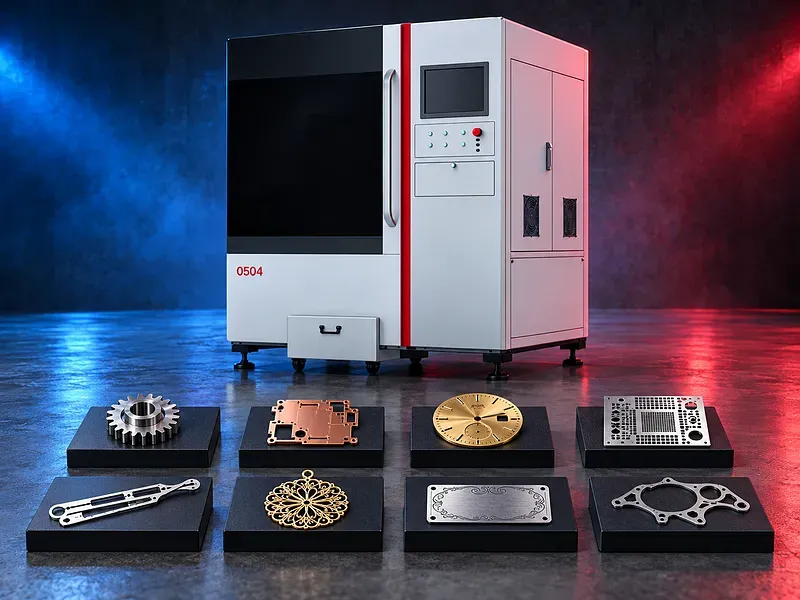 Mini Precision Fiber LaserA compact fiber laser solution for programmed cutting of suitable thin metal sheets and small precision components. Machine selection depends on the material, thickness, work area, feature size, tolerance, edge requirement, part handling, inspection method, and production target.
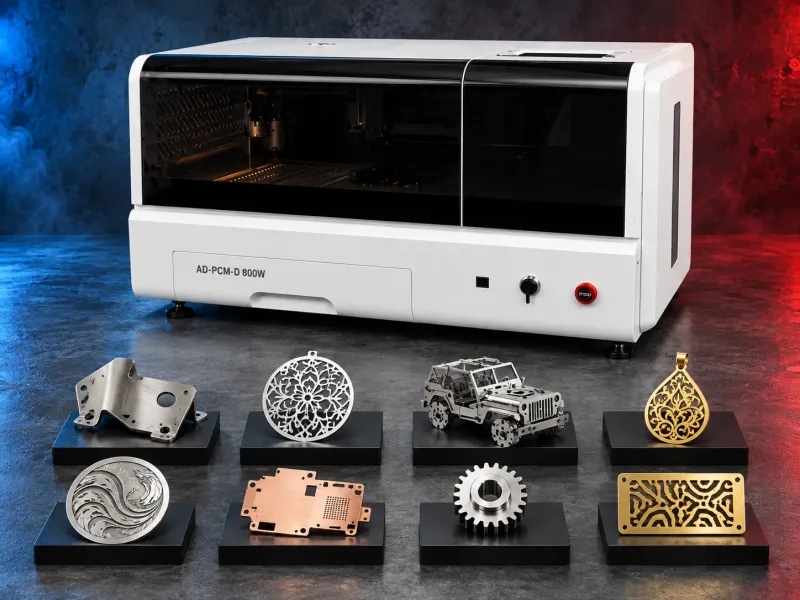 Desktop Fiber LaserA compact fiber laser system for marking, engraving, personalization, and verified cutting applications on suitable metal items. The correct configuration depends on the material, required process, laser type, power, work area, part geometry, accessories, extraction, safety design, and production target.
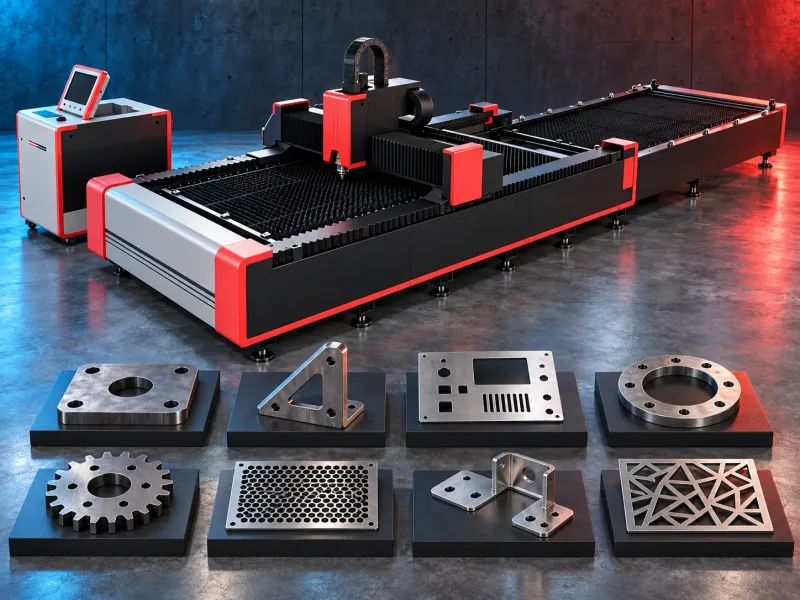 Open Fiber Laser with Exchange TableAn open type fiber laser machine with exchange tables for programmed cutting of suitable metal sheets. The described configuration includes an autofocus cutting head, centralized control, automatic lubrication, and zonal dust extraction, subject to verification for the exact model.
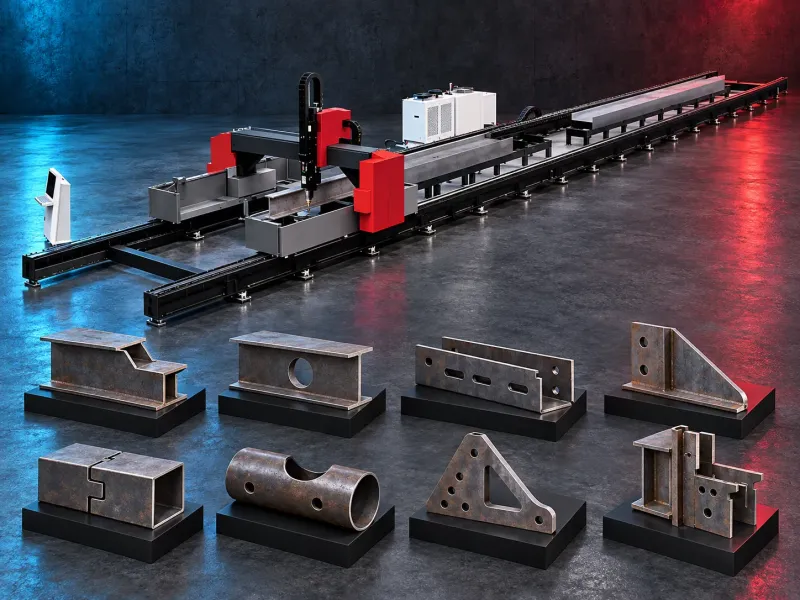 5 Axis Structural Steel LaserA coordinated 5 axis laser solution for three dimensional cutting of suitable structural steel profiles and fabricated components. The correct configuration depends on profile type, dimensions, weight, material, wall thickness, cut geometry, bevel requirements, tolerance, software workflow, handling, and target output.
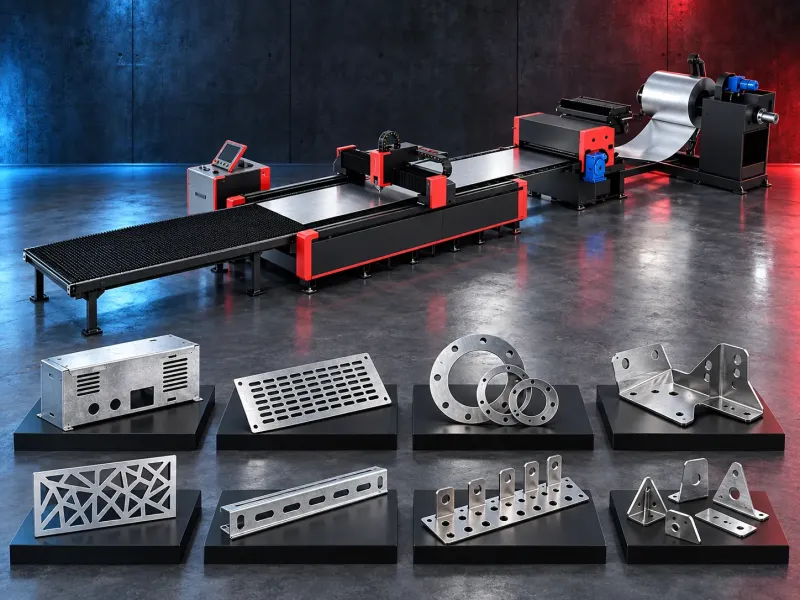 Coil Laser Cutting MachineAn integrated coil fed laser cutting line that combines decoiling, leveling, controlled feeding, and programmed cutting for suitable thin steel coil. The correct configuration depends on the coil, material, thickness, width, part geometry, quality requirements, and target output.
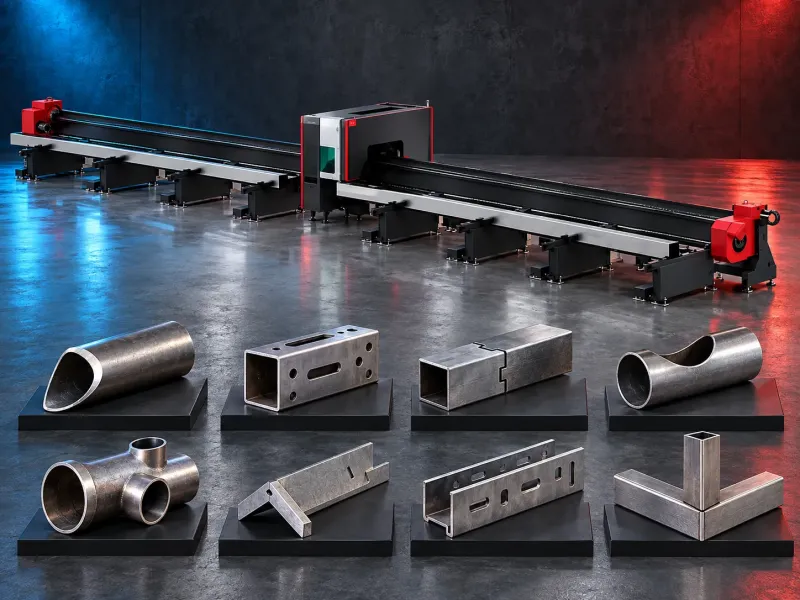 Triple Chuck Bevel Tube LaserA tube laser cutting solution with a three chuck handling concept and bevel cutting capability for suitable heavy pipes and profiles. The correct configuration depends on material, section type, diameter, wall thickness, length, weight, bevel geometry, tolerance, loading, and target output.
Fiber laser cutting machines use a focused laser beam to produce programmed cuts in suitable metal sheets, tubes and profiles. Available configurations may include open or enclosed sheet-cutting machines, tube-cutting systems and combined sheet-and-tube solutions, depending on the verified model.
Selecting the correct machine requires reviewing the part drawings, material grades, sheet or profile dimensions, thickness range, edge-quality requirements, tolerances, batch size, assist gas, loading method, automation and site utilities. SAKKARY MACHINERY reviews these requirements before recommending a suitable configuration.
What it is for
- Sheet parts with an edge that needs no dressing
- Enclosures, panels, brackets and frames
- Decorative and architectural screens
- Short runs and one-offs without tooling cost
- Tube and profile cutting on the right configuration
How to choose
Size the source to your everyday thickness
Not the thickest sheet the machine can manage on a datasheet — the thickest one that goes through the shop every week. Sizing for the rare heavy job means paying for power you idle most days.
Assist gas is the real running cost
Nitrogen gives a clean, weldable, paintable edge on stainless and aluminium and costs considerably more per hour than the electricity. Oxygen is cheaper on mild steel but leaves an oxide the next process has to deal with. Decide this before you decide the machine.
Enclosed or open table
An enclosure is about safety, fume extraction and consistency, and it is what most factory inspections expect to see. An open table loads faster and suits a shop where sheets arrive by crane.
Chiller, extraction and power are not accessories
The cooling and fume extraction are part of the machine, not options. We size them with the machine and check your incoming supply before quoting.
Questions we are asked
What information is required to select a fiber laser cutting machine?
Provide the material grade, thickness range, sheet or profile dimensions, part drawings, required tolerances, edge quality, production volume, automation needs and available site utilities.
How is the appropriate laser power selected?
Laser power must be evaluated with the material, thickness, required cut quality, cutting speed, duty cycle, assist gas and operating cost. Higher power alone does not determine the correct machine.
Should I choose a sheet, tube or combined cutting machine?
The choice depends on your product mix. A combined machine may suit production requiring both sheet and tube parts, while dedicated machines may be more suitable for specialized or high-volume production.
What is the difference between open and enclosed fiber laser machines?
The difference involves access, loading, laser containment, fume extraction, safety design and site workflow. The exact safety and enclosure features must be verified for the selected model.
Can one fiber laser machine cut every metal and thickness?
No. Material compatibility, thickness limits, cutting quality and required gases depend on the selected source, cutting head, machine configuration and verified cutting data.
Are installation, training and warranty included?
Installation, commissioning, training, warranty and technical-support scope are defined in the approved quotation for the selected machine.
Tell us the part you need to make
An engineer reads every request. Usually the same working day.
Related
- Sheet Metal Fabrication Machines Sheet metal machinery for cutting, punching, bending, rolling and forming, selected according to the material, thickness, part geometry, required quality and production target.
- Laser Marking & CO₂ Laser Machines Laser solutions for permanent marking, engraving and cutting across metals and non-metals — selected according to the material, application, working area and required production output.
- Welding and Thermal Cutting Equipment Welding, robotic automation and thermal cutting solutions selected according to the material, thickness, joint or cut geometry, required quality, production volume and site conditions.