

Woodworking Production Solutions
Woodworking Machines & Production Solutions
Woodworking machines for cutting, sizing, CNC machining, drilling, edge banding, shaping, sanding and furniture production — selected according to the material, product, production process and required output.
Types in this category
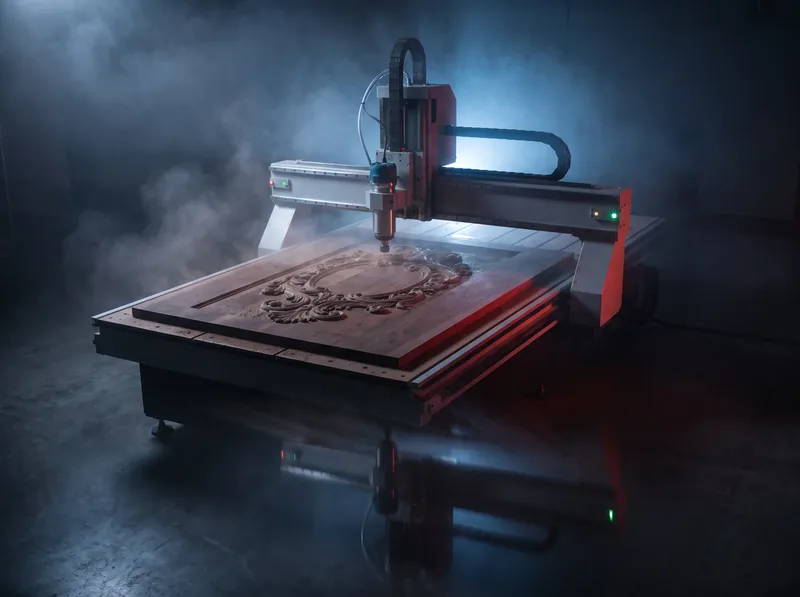
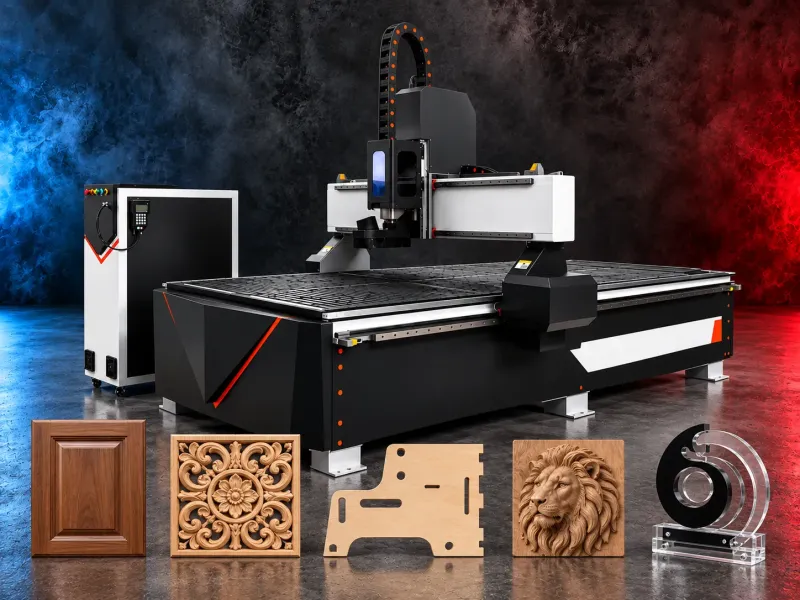 CNC WOOD ROUTERCNC routing solutions for cutting, drilling, engraving and machining suitable wood panels and furniture components.
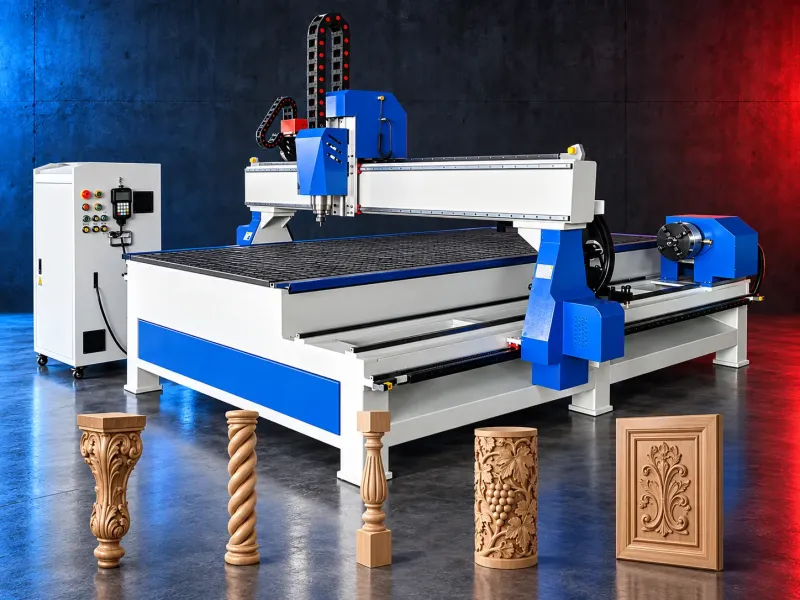 CNC ROUTER WITH ROTARYA CNC router equipped with a rotary attachment or axis for machining suitable cylindrical and shaped workpieces. Selection depends on the part geometry, material, dimensions, required operations, accuracy, and production volume.
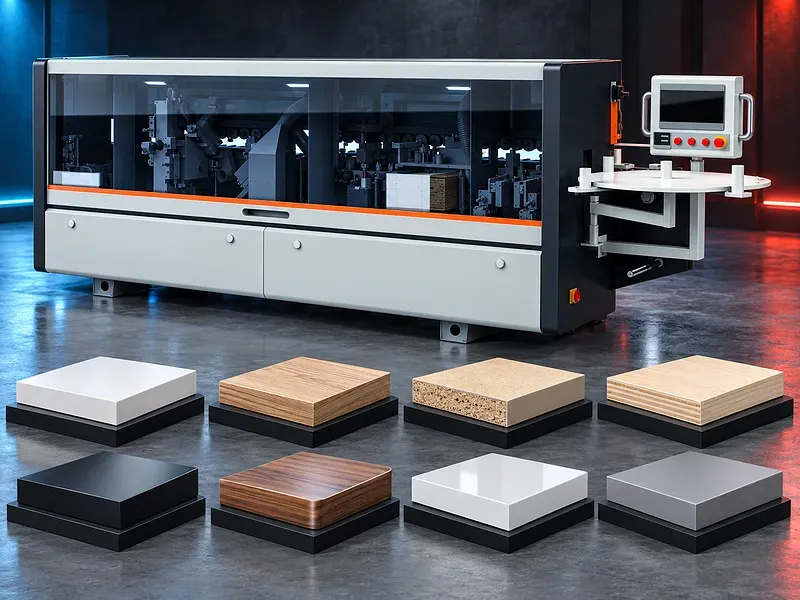 Automatic Edge BanderAutomatic edge banding machines apply and finish compatible edge material on straight panel edges through a controlled production sequence. Correct selection depends on the panel material dimensions edge tape adhesive production volume finish requirement installed processing units utilities and extraction system.
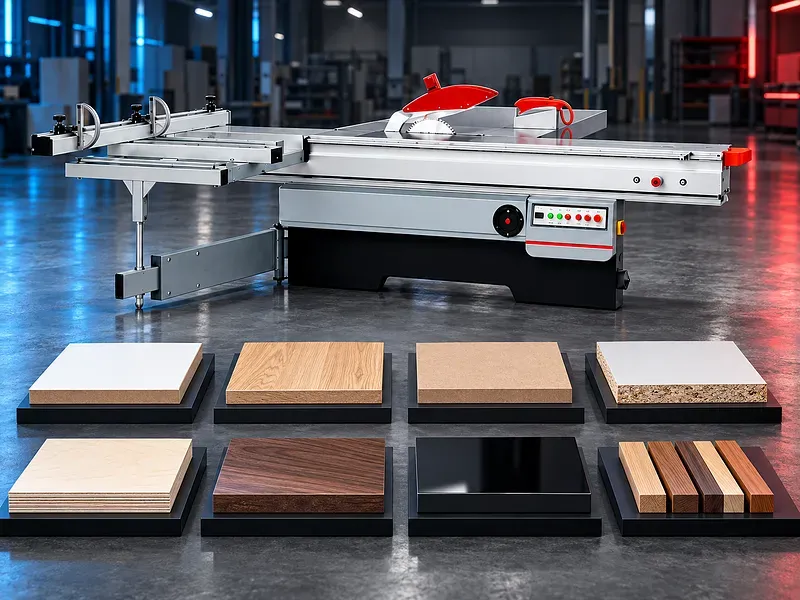 Panel SawPanel saws divide compatible full size boards into accurately planned components for furniture cabinetry fit out and panel processing work. Machine selection depends on the panel material dimensions thickness cut pattern edge quality tolerance production volume blade system handling method dust extraction and required cutting functions.
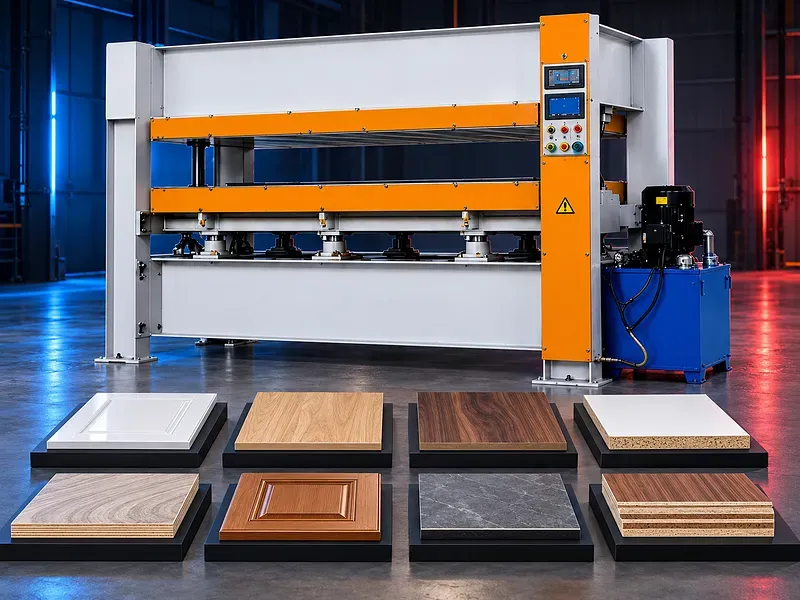 Woodworking Hot PressWoodworking hot presses apply controlled pressure and heat to compatible panel assemblies so an approved adhesive can form a bond under defined process conditions. Correct selection depends on the product construction panel dimensions adhesive pressure temperature time platen arrangement loading method quality standard utilities and safety requirements.
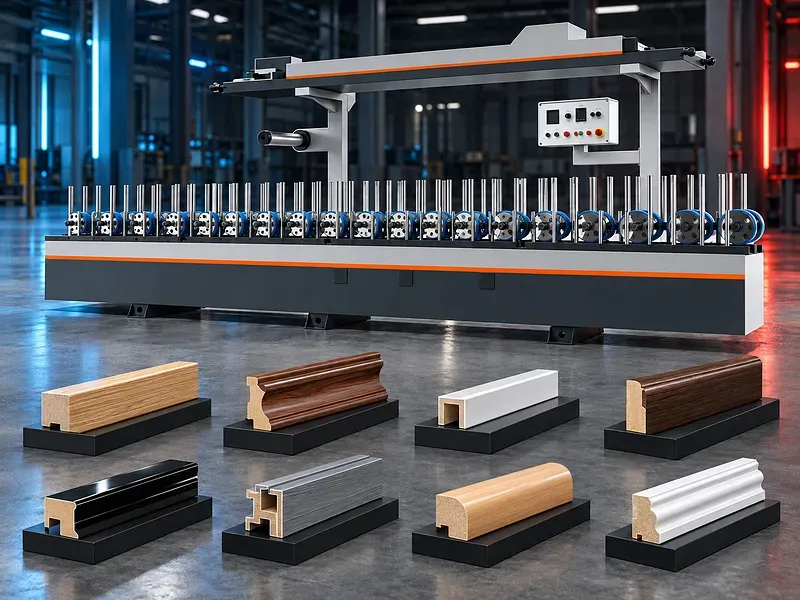 PVC Film Profile Wrapping MachineProfile wrapping machines apply compatible decorative film or paper to straight continuous profiles by controlling adhesive coating film guidance and pressure roller forming around the cross section. Correct selection depends on the profile material geometry dimensions surface film adhesive speed finish requirement production mix utilities and installed processing units
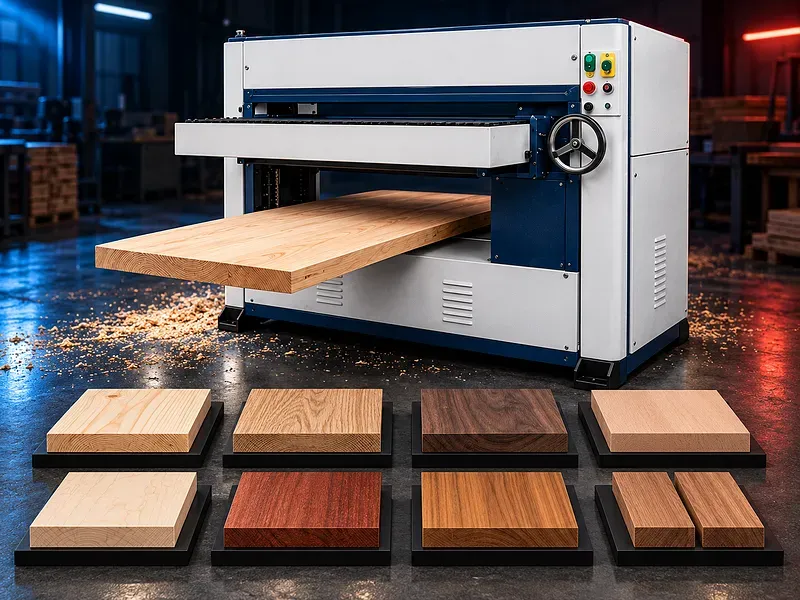 Woodworking Thicknesser PlanerWoodworking thicknesser planers machine compatible timber to a controlled thickness by feeding the workpiece through guided cutterhead and pressure roller systems. Correct selection depends on timber species moisture dimensions initial straightness removal allowance finish tolerance feed system cutterhead configuration extraction utilities and production volume.
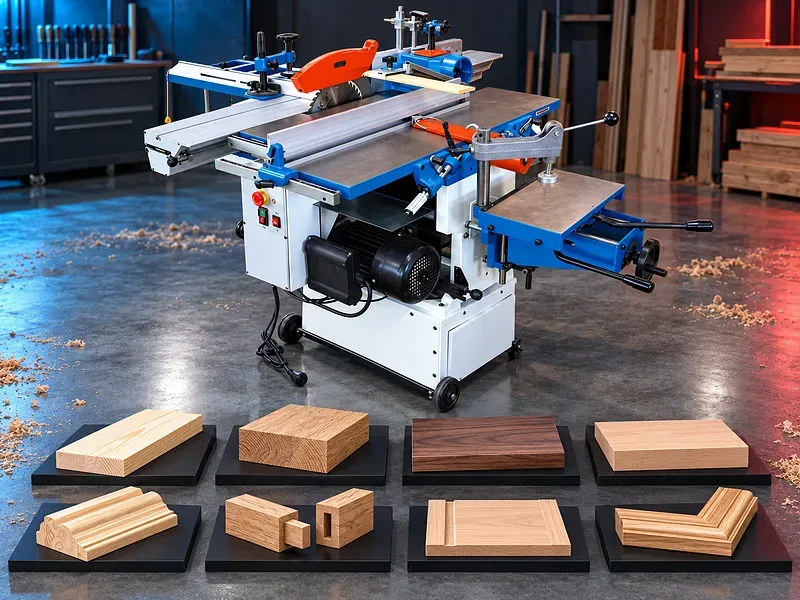 Universal Combined Woodworking MachineUniversal combined woodworking machines integrate several compatible machining functions into one workshop platform. Correct selection depends on the installed function groups timber and panel materials part dimensions required capacities tooling changeover frequency extraction electrical supply safety controls floor space and production volume.
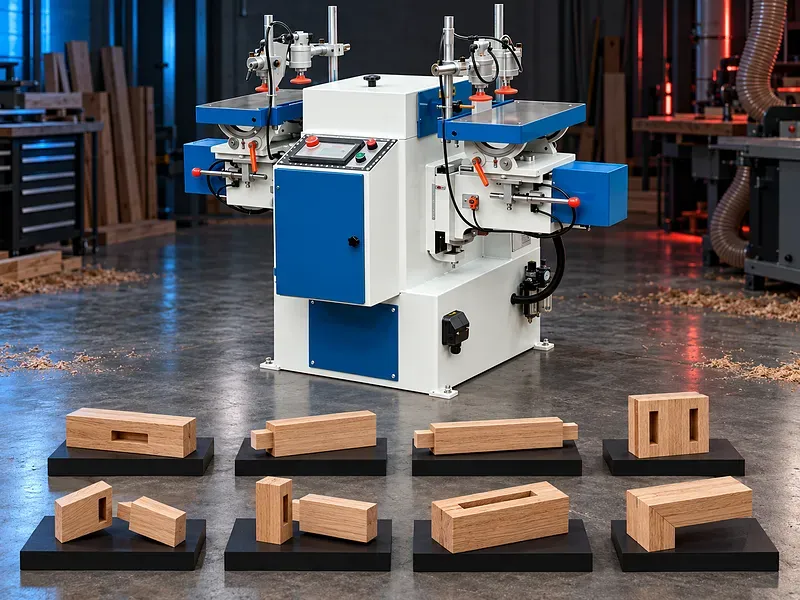 Horizontal Double End MortiserHorizontal double end mortisers machine compatible mortises or slots at two ends of a timber component through opposed or paired working stations when supported by the selected configuration. Correct selection depends on the joint drawing workpiece material dimensions references mortise geometry tooling clamping station adjustment tolerance cycle utilities and safety requirements.
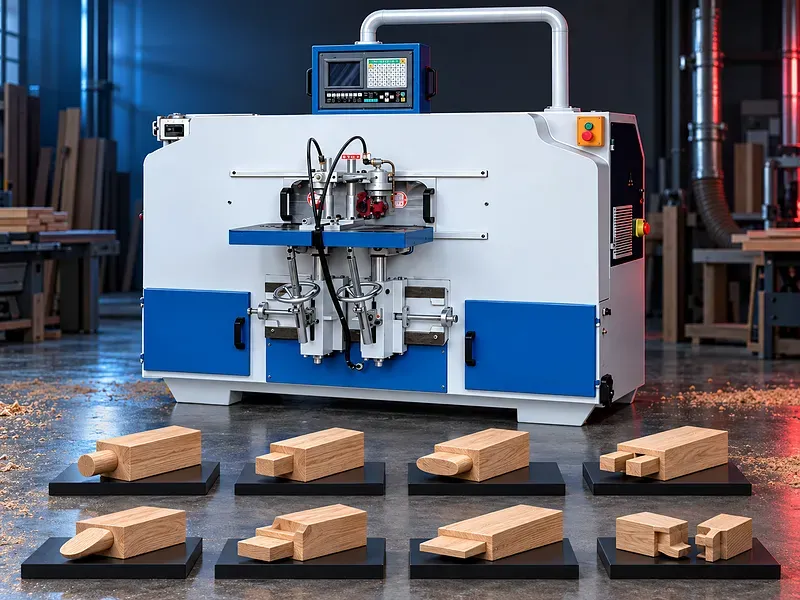 CNC Tenoner MachineCNC tenoning machines form compatible tenons and shoulders on timber components through programmed cutter and workpiece movements. Correct selection depends on the joint drawing timber workpiece dimensions tenon geometry references tooling axes clamping angle requirements tolerance production mix extraction utilities and safety controls.
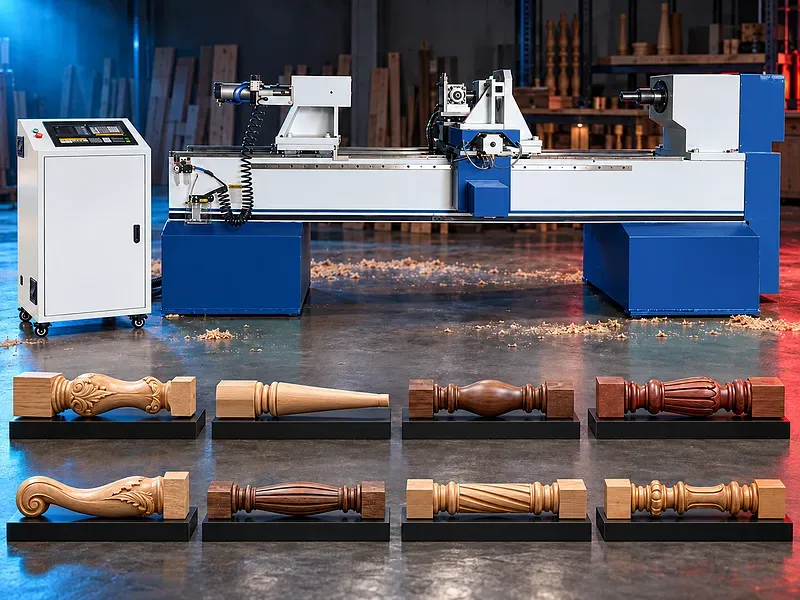 CNC Wood LatheCNC wood lathes shape compatible timber blanks into repeatable turned components such as furniture legs balusters posts and selected decorative parts. Correct machine selection depends on the finished drawing timber condition blank dimensions profile complexity tooling support method tolerance output extraction utilities and safety requirements.
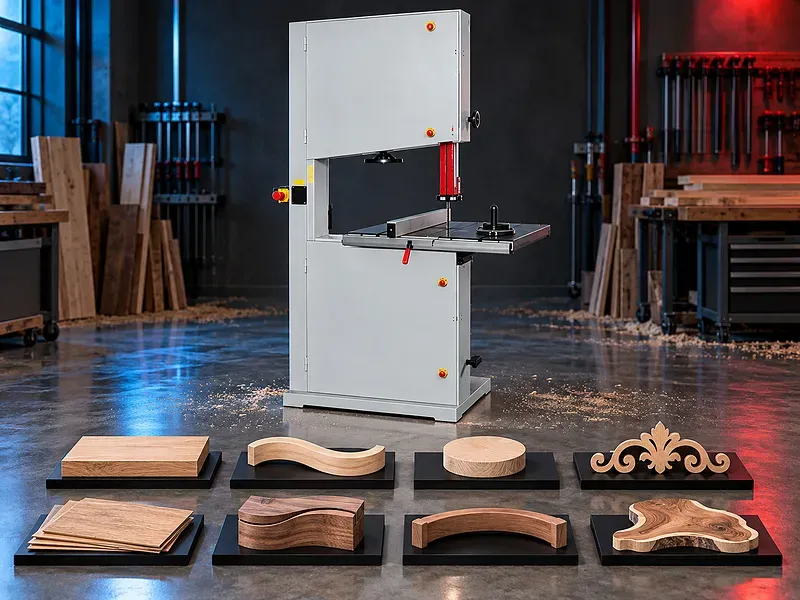 Wood Band Saw MachineWood band saw machines use a continuous toothed blade running around two or more wheels to cut compatible timber and wood based workpieces. Correct selection depends on the material blank dimensions cutting direction profile blade specification feed method finish tolerance output extraction and safety requirements.
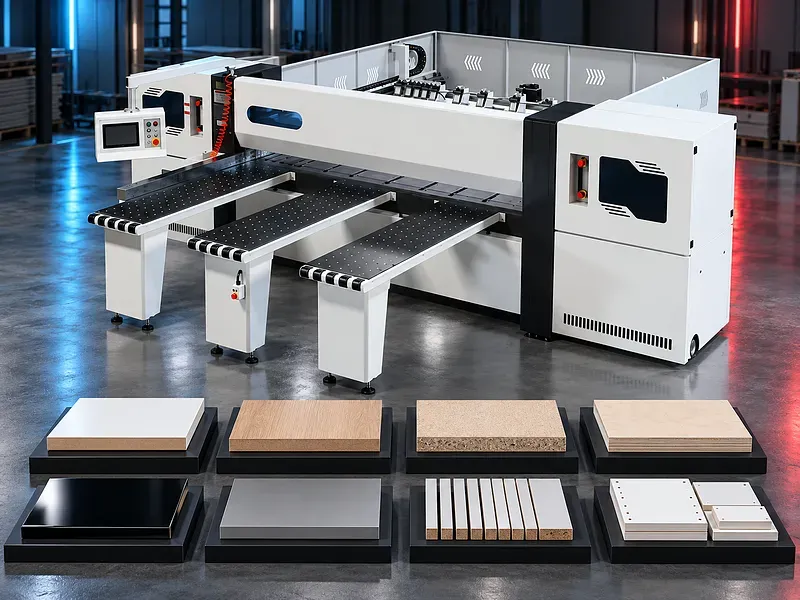 CNC Beam SawCNC beam saws position and clamp compatible panels under a pressure beam while a programmed saw carriage travels through the cutting line. Correct selection depends on panel material and size stack height cutting plan edge quality tolerance batch mix output handling extraction utilities software and safety requirements.
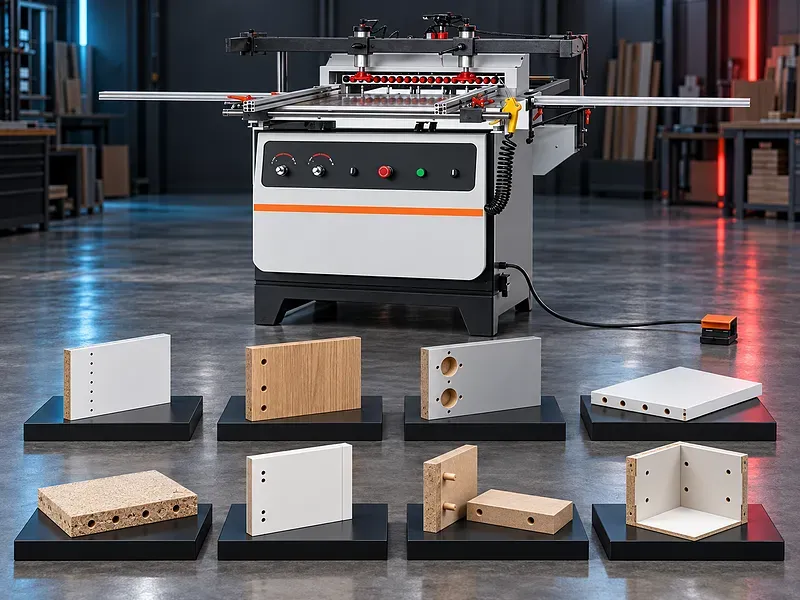 Wood Multi Boring MachineWood multi boring machines produce coordinated hole patterns in compatible furniture and cabinet panels using multiple drilling spindles or heads. Correct selection depends on the panel material and dimensions hole layout diameter depth spacing face and edge operations references tooling batch mix output extraction utilities and line integration requirements.
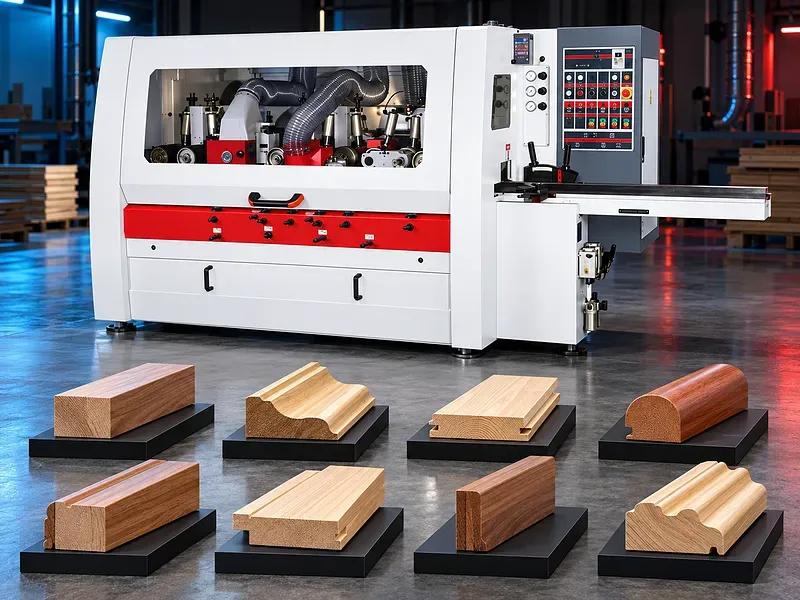 4 Four Side Wood Moulder Planer for Profile Moulding4 Four Side Wood Moulder Planer for Profile Moulding process compatible timber on multiple faces in one controlled pass to establish width thickness straightness and selected profiles. Correct selection depends on the finished section incoming stock allowance timber condition spindle arrangement tooling feed speed tolerance surface quality output extraction utilities and safety requirements.
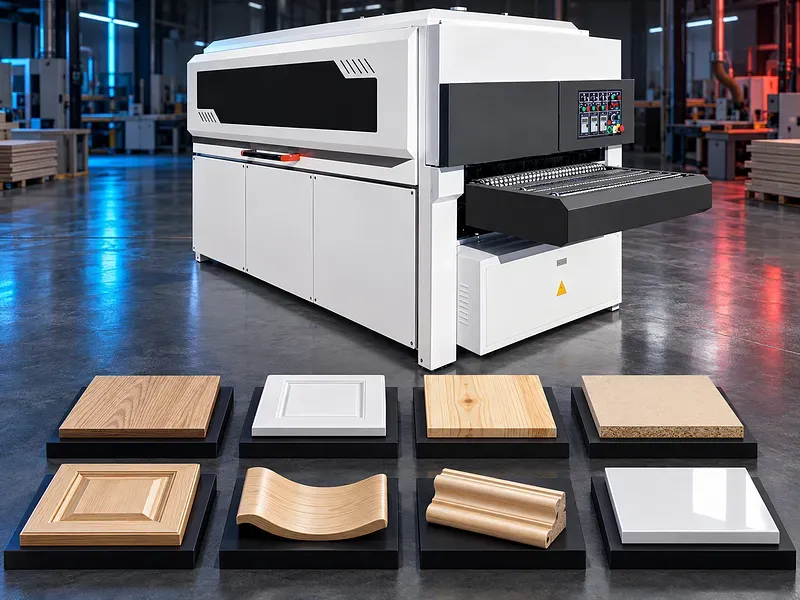 Wood Polishing MachineWood sanding and polishing machines use selected abrasive units to smooth compatible flat shaped concave and convex surfaces before or between finishing stages. Correct selection depends on the workpiece geometry material coating condition stock removal finish standard abrasive system pressure feed method output dust extraction utilities and safety requirements.
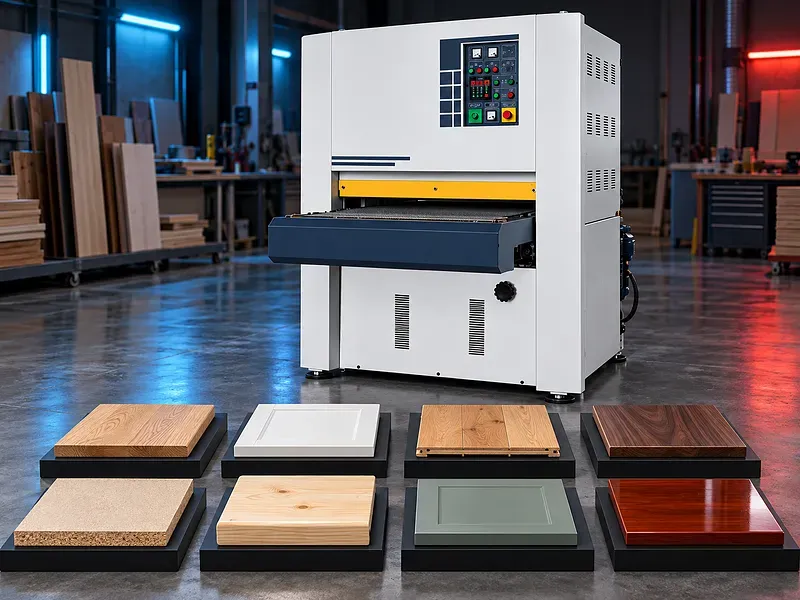 Wide Belt SanderWide belt sanders use one or more continuously moving abrasive belts to calibrate thickness or refine the surface of compatible wood panels doors flooring components and board materials. Correct selection depends on the material incoming thickness removal allowance working width abrasive sequence contact system tolerance finish output extraction utilities and safety requirements.
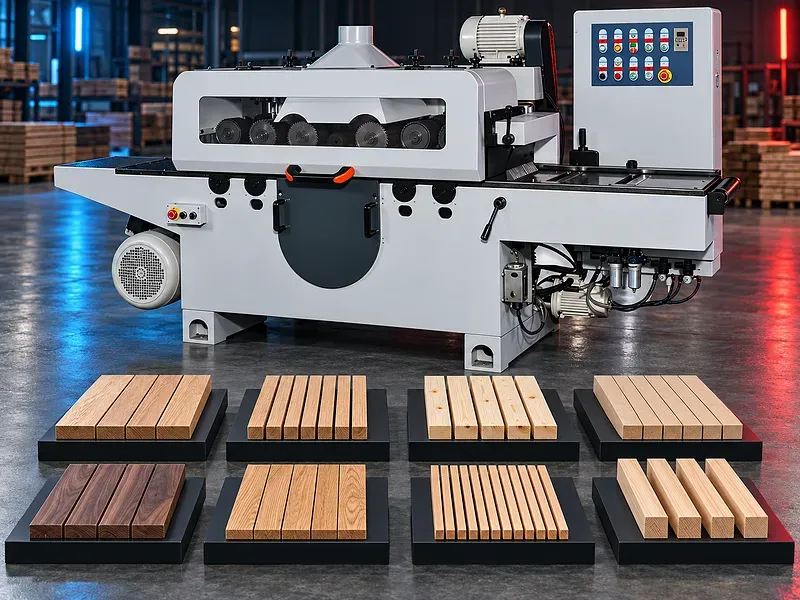 Multi Blade Rip SawMulti blade rip saws use several circular blades on one or more arbors to divide compatible boards or square timber into multiple longitudinal strips in one controlled pass. Correct selection depends on the material dimensions grain direction strip widths blade arrangement kerf feed method straightness tolerance surface quality output extraction utilities and safety requirements.
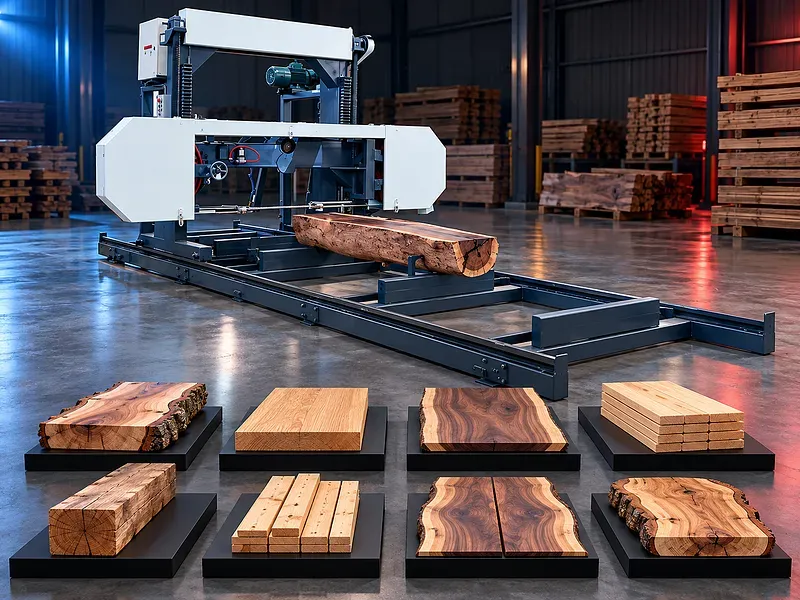 Horizontal Band Saw MillHorizontal band saw mills use a continuous toothed blade in a horizontal cutting plane to convert compatible logs cants or timber blocks into boards slabs and resawn sections. Correct selection depends on material diameter and length condition target board thickness blade specification feed arrangement handling yield tolerance output utilities extraction and safety requirements.
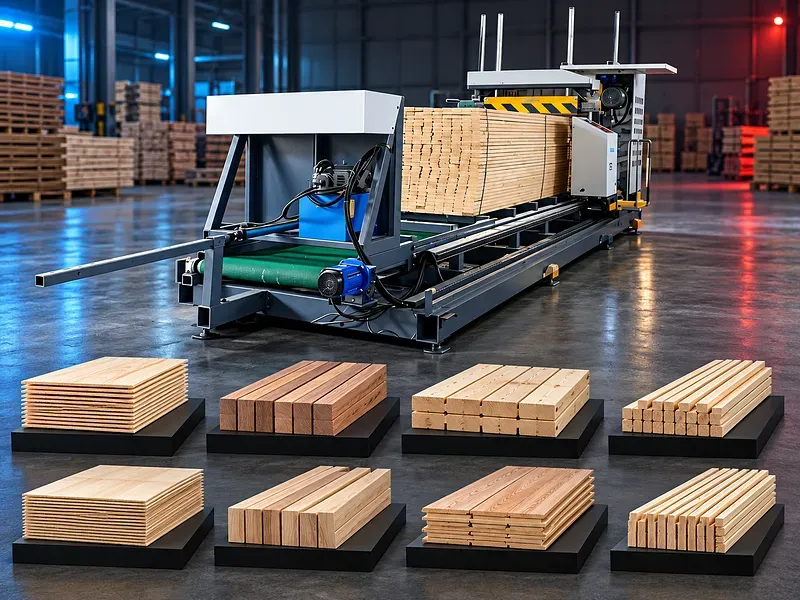 Automatic Timber Package Cross Cut SawAutomatic timber package cross cut saws position restrain and cut compatible timber bundles or large sections to programmed lengths. Correct selection depends on package dimensions weight construction timber condition target lengths blade system positioning method clamping handling conveyors waste removal tolerance output utilities environment and safety requirements.
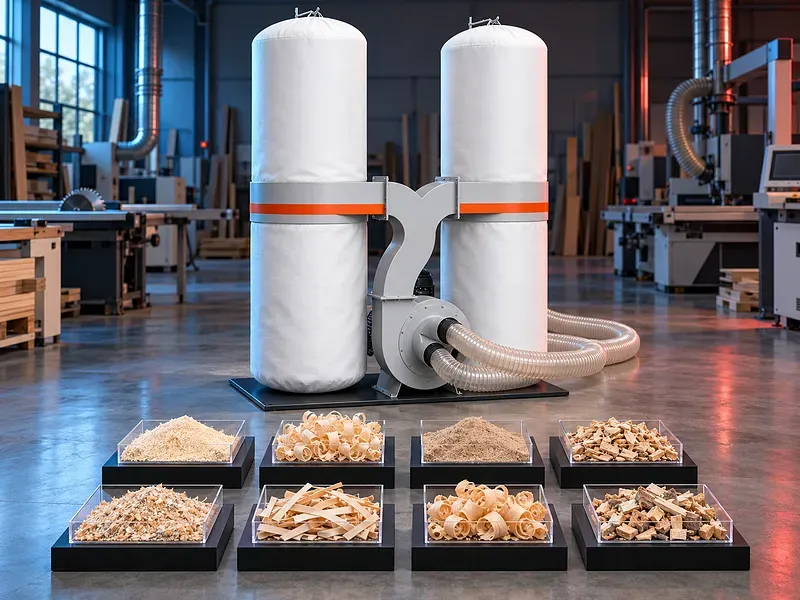 Wood Dust Collector with Two BagsA two bag wood dust collector supports source extraction of compatible sawdust chips and airborne woodworking dust. Correct selection depends on each connected machine dust load required airflow static pressure duct layout filtration method discharge arrangement duty cycle electrical supply noise limits and fire and explosion risk controls.
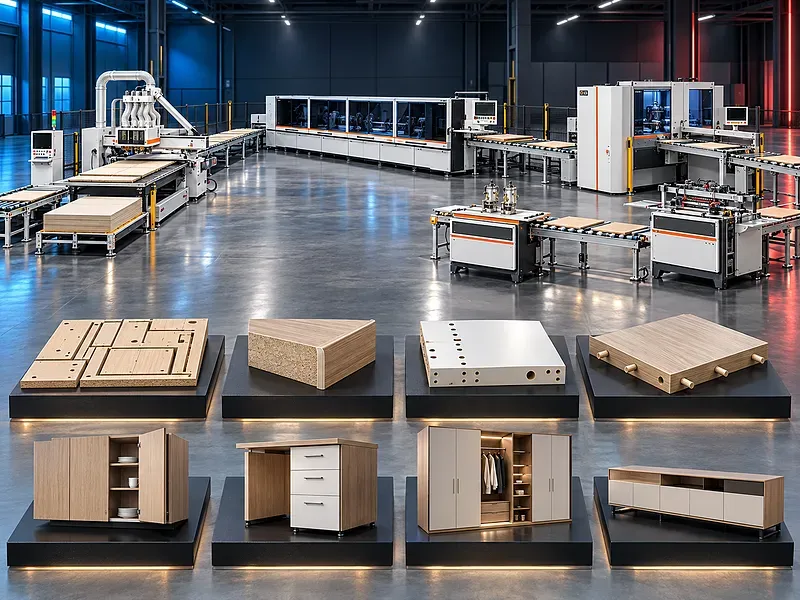 MDF Furniture Production LineAn MDF furniture production line connects design preparation panel optimization cutting identification edge banding boring and downstream assembly into a controlled workflow for compatible panel furniture. The correct line depends on product mix panel data dimensions quality output batch size automation software material handling utilities staffing and factory layout.
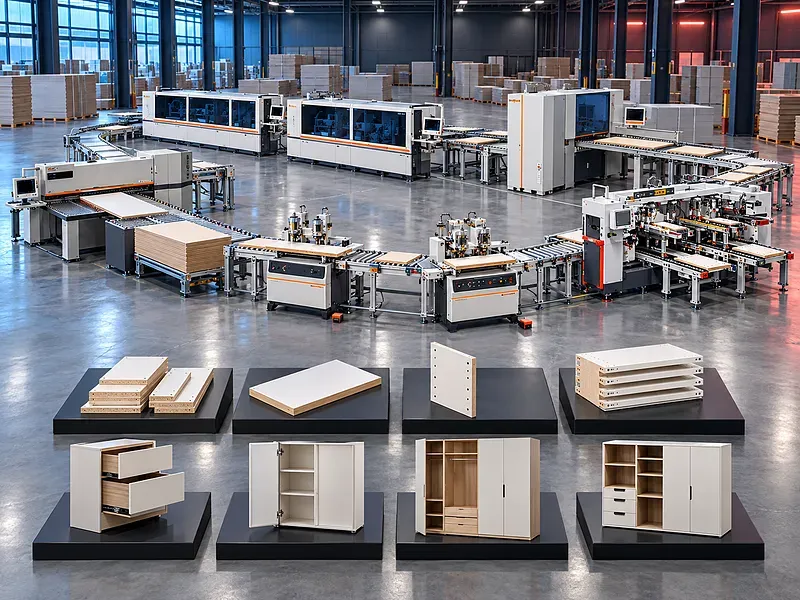 Cabinet Production LineA cabinet production line connects cabinet design panel optimization cutting identification edge banding boring hardware preparation and assembly into a controlled order based workflow. The correct line depends on cabinet families component construction panel and edge data hardware quality output batch size software automation handling utilities staffing and factory layout.
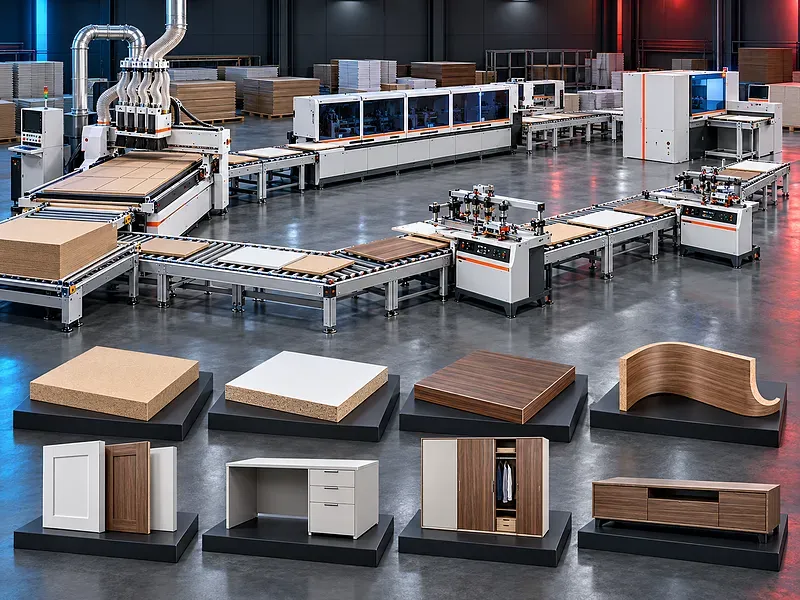 MDF Melamine Furniture Production LineAn MDF melamine furniture production line connects design preparation optimization cutting identification edge banding boring and assembly for compatible melamine faced panels. Correct selection depends on board core face quality decor direction surface protection edge matching chip control product mix output software handling utilities staffing and factory layout.
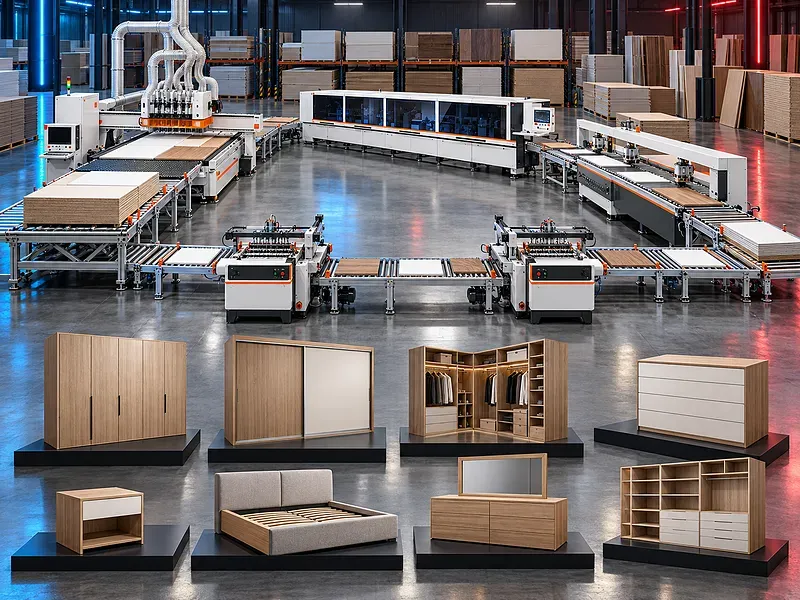 Bedroom and Closet Production LineA bedroom and closet production line connects product design panel optimization cutting identification edge banding boring hardware preparation and assembly for wardrobes closets bedroom storage and compatible bed components. Correct selection depends on product families construction panel and edge data doors drawers hardware quality output batch size software handling utilities staffing and factory layout.
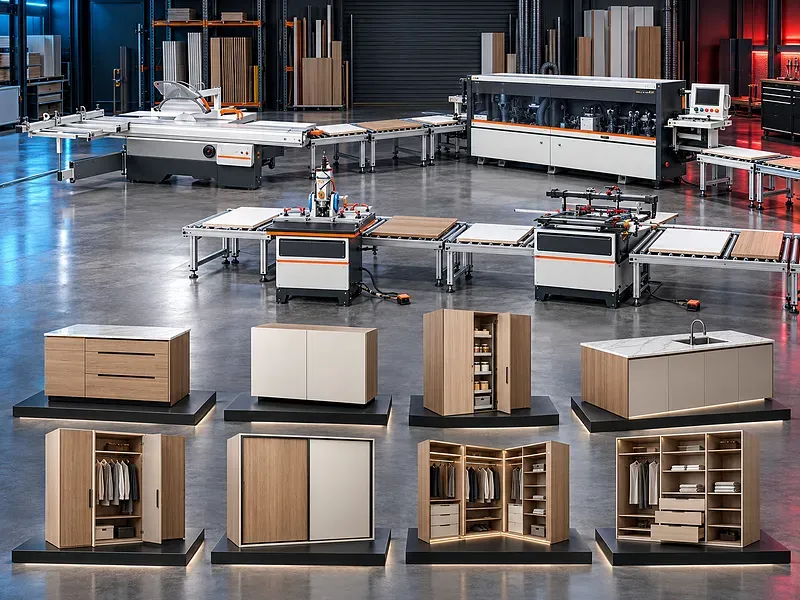 Kitchen and Wardrobe Production LineA kitchen and wardrobe furniture line connects design panel optimization cutting identification edge banding boring hardware preparation and assembly into a controlled order based workflow. Correct selection depends on kitchen and wardrobe families carcass construction panel and edge data doors drawers hardware quality output batch size software automation handling utilities staffing and layout.
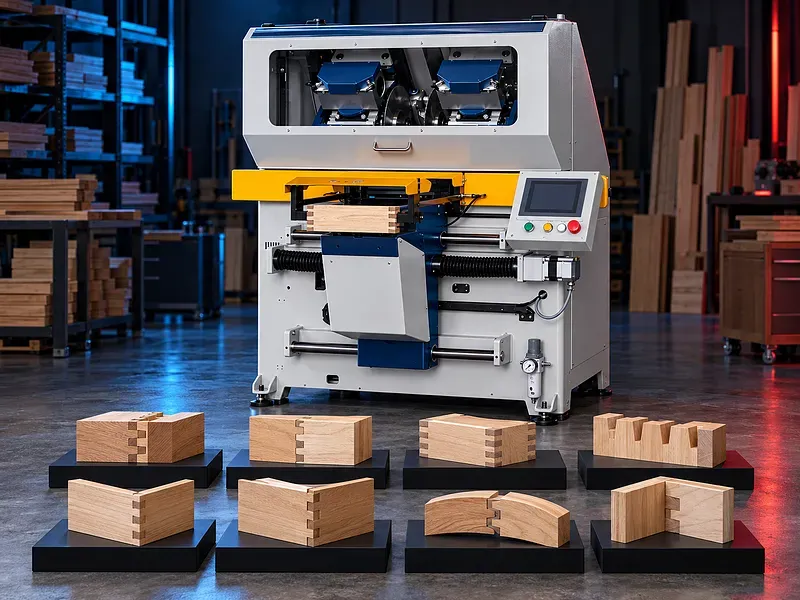 Combined Milling and Cutting MachineA CNC combined milling and cutting machine performs coordinated recess machining and angled cutting on door frame and furniture components in one automated cycle. Correct selection depends on workpiece material profile dimensions machining geometry tool requirements finished quality output target clamping method extraction utilities and safety conditions.
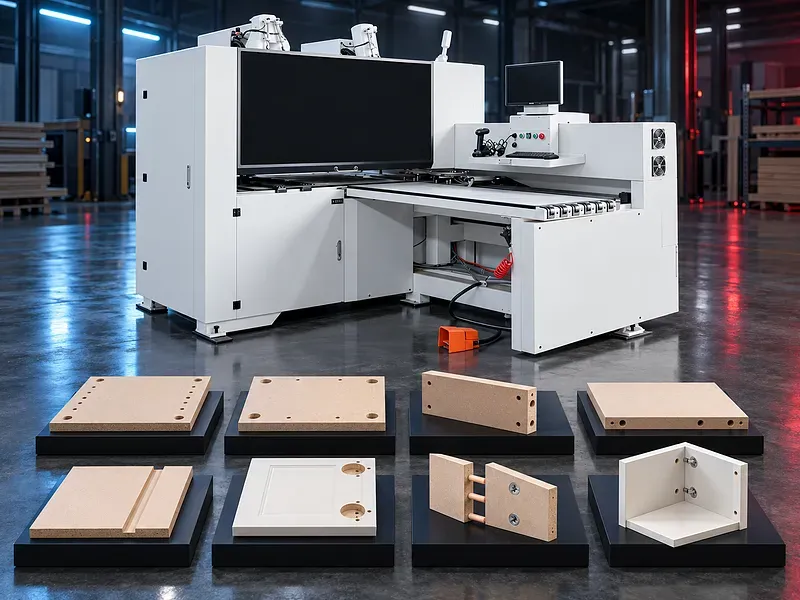 CNC Six Sided Drilling MachineA CNC six sided drilling machine processes furniture panels from the top bottom and four edges without repeated manual repositioning when the approved configuration supports the required operations. Correct selection depends on panel material dimensions hole patterns grooves routing details batch mix software tooling handling extraction utilities and finished accuracy.
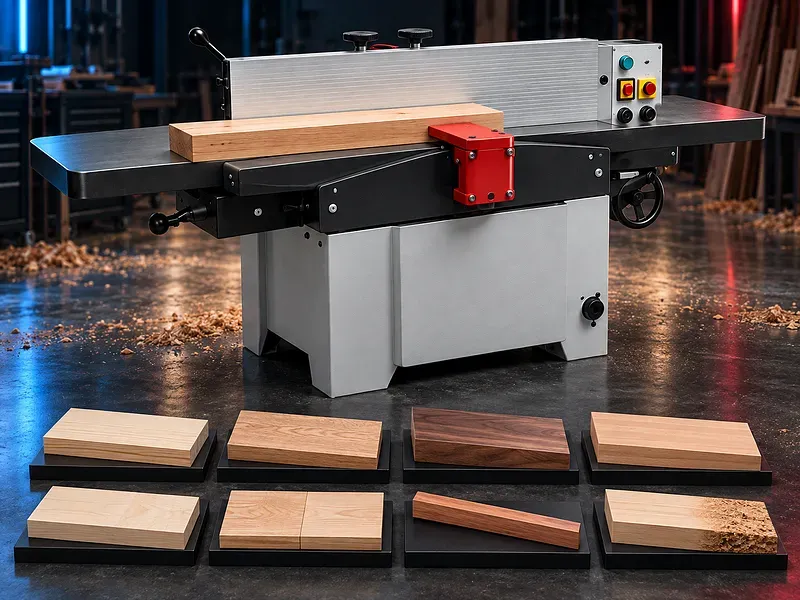 Surface Planer JointerSurface planer jointers prepare compatible timber by creating a flat reference face and a straight edge at the required relationship to that face. Correct selection depends on timber species moisture dimensions initial distortion working width table geometry fence cutterhead tooling extraction tolerance and production needs
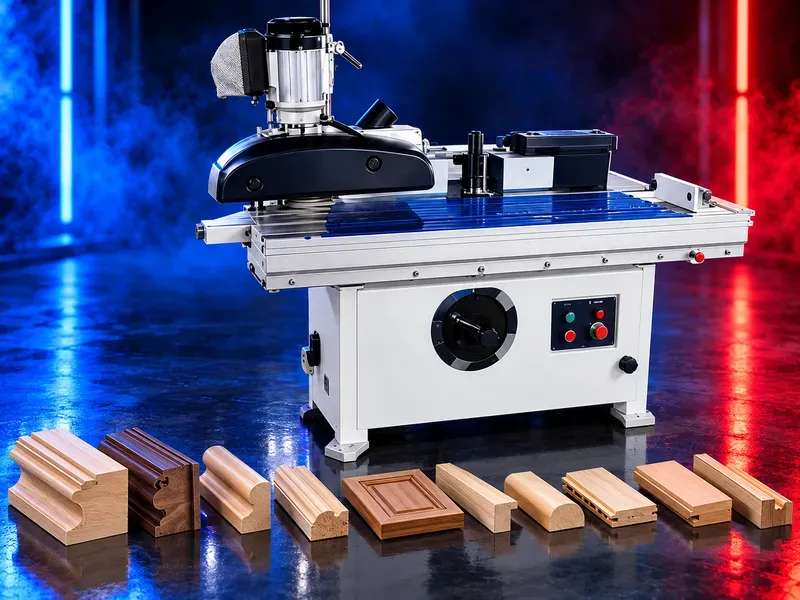 Automatic Feed Spindle MoulderHeavy-duty woodworking shaper moulder with automatic feeding, sliding table and vertical spindle for shaping, moulding, profiling, grooving and milling applications.
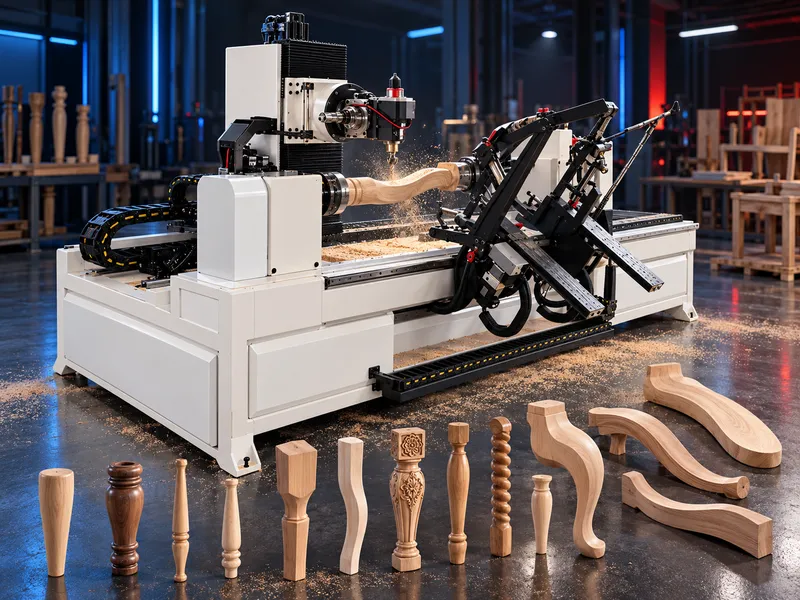 5-Axis CNC Wood Machining Center5-axis CNC machining center for turning, milling, engraving, drilling and sawing solid wood components in one system — designed for complex furniture parts, curved surfaces and multi-dimensional machining.
SAKKARY MACHINERY provides woodworking machines and production solutions for furniture factories, woodworking workshops, doors, cabinets, kitchens and other wood-processing applications. The range covers panel cutting and sizing, CNC routing, boring and drilling, edge banding, shaping and moulding, sanding, sawing, dust collection and related woodworking production processes. Machine selection should be based on the material type, finished product, workpiece dimensions, required operations, production volume and level of automation.
Woodworking Machines
- Panel Saws & Sliding Table Saws
- Beam Saws
- Edge Banding Machines
- Boring & Drilling Machines
- Multi-Boring Machines
- Spindle Moulders & Shapers
- Planers & Thicknessers
- Surface Planers / Jointers
- Wood Band Saws
- Sanding Machines
- Wide Belt Sanders
- Wood Cutting & Cross-Cut Saws
- Rip Saws
- Dust Collectors & Extraction Systems
- Automatic Feeding Systems
- Furniture & Panel Production Machines
- Woodworking Production Lines
Questions we are asked
What types of woodworking machines does SAKKARY MACHINERY provide?
SAKKARY MACHINERY provides woodworking solutions including CNC routers, panel and sliding table saws, beam saws, edge banding machines, boring and drilling machines, spindle moulders, planers, sanders, band saws, dust collection systems and related production equipment.
What industries and applications are woodworking machines suitable for?
They are used in furniture manufacturing, kitchens and cabinets, doors, panel processing, interior fit-out, woodworking workshops and other wood-product manufacturing applications.
How do I choose the right woodworking machine?
Selection should be based on the material, finished product, workpiece dimensions, required operations, production volume and required level of automation.
What machines are used for panel furniture production?
Depending on the production process, panel furniture manufacturing can involve panel or beam saws, CNC routers, boring machines, edge banding machines, sanding equipment and material-handling solutions.
What information should I provide when requesting a woodworking machine?
Provide the material type, products you manufacture, maximum workpiece dimensions, required operations, expected production volume and available factory space. Drawings or product samples can also help define the suitable solution.
Can SAKKARY MACHINERY help select a complete woodworking production solution?
The machine configuration can be selected around the required manufacturing process, from individual woodworking machines to combinations of machines covering multiple production stages.
Tell us the part you need to make
An engineer reads every request. Usually the same working day.
Related
- Laser Marking & CO₂ Laser Machines Laser solutions for permanent marking, engraving and cutting across metals and non-metals — selected according to the material, application, working area and required production output.
- CNC Machine Tools for Precision Machining CNC milling, turning, drilling, boring and grinding solutions selected according to the part drawing, material, dimensions, tolerances, finish and production requirements.
- Industrial machine operator training Machine performance depends on correct setup, programming, operation and routine care. Practical training helps operators use the equipment more efficiently and safely for the intended application.