

AUTOMATED TIMBER BUNDLE CUTTING
Automatic Cross Cut Saws for Timber Packages and Large Sections
Automatic timber package cross cut saws position restrain and cut compatible timber bundles or large sections to programmed lengths. Correct selection depends on package dimensions weight construction timber condition target lengths blade system positioning method clamping handling conveyors waste removal tolerance output utilities environment and safety requirements.
The timber package is loaded onto the support or conveyor system then referenced positioned and restrained before the guarded saw cycle. A programmed pusher carriage or travel system may move the package or cutting unit to the selected length according to the verified machine design. Some configurations may include a touch control variable speed travel end pusher hydraulic heating climbing conveyors and separate sawdust or waste conveyors. These functions their sizes capacity accuracy energy performance and standard or optional status require confirmation from the approved exact machine documents.
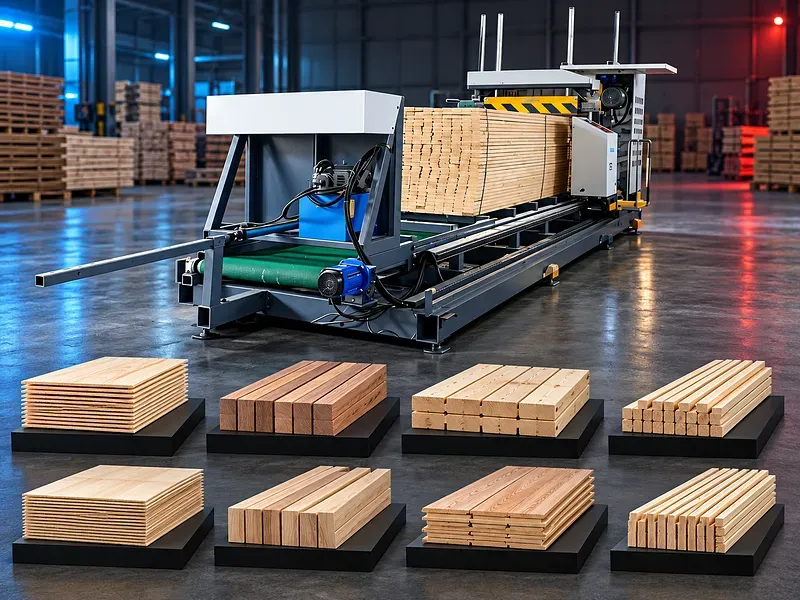
What an automatic package cross cut saw does
The machine cuts across the length of a compatible timber bundle or large section to produce programmed package or component lengths. Positioning and restraint should keep the material stable through the blade cycle.
The machine should be selected from the complete package geometry product length plan material condition handling method and required production flow.
Bundle cutting and individual piece cutting
Bundle cutting processes several timber pieces together when their alignment dimensions restraint and blade capacity suit the machine. Individual piece cutting may use a different support pressure and cycle.
Do not assume that every mixed package can be cut safely. Package composition gaps strapping loose pieces and unequal ends require technical review.
Timber package requirements
Confirm package length width height weight number of pieces section sizes arrangement strapping method end alignment support points center of gravity and lifting features.
The package should remain stable during loading positioning clamping cutting and unloading. Broken straps loose timber severe twist and unstable stacking require rejection or controlled preparation.
Material condition and grading
Confirm timber species density moisture knots checks split ends warp twist resin bark contamination embedded metal frozen condition and previous treatment.
These factors affect blade load cut quality package stability chip behavior tool life and safety. Material inspection and metal detection may be required.
Cut list and length planning
Provide incoming package length required finished lengths trim allowance blade kerf defect zones quantities priorities and downstream handling instructions.
The cutting plan should define the reference end sequence optimization rule remnant policy identification method and acceptance tolerance for each product.
Positioning travel and measurement
A pusher carriage end stop moving saw unit or conveyor system may position the material according to the design. A measurement system translates the entered length into controlled movement.
Verify travel range reference point feedback device resolution calibration compensation backlash control homing sequence and safe behavior after interruption.
End pusher and package alignment
An end pusher may align or position the timber package before cutting when included. It should contact the load without causing unstable movement damage or trapped pieces.
Confirm pusher travel force contact area sensing side guidance alignment method minimum remnant handling collision protection and standard or optional status.
Clamping pressure and restraint
The package should be restrained against cutting forces before blade movement. Clamps or pressure beams should control the full package without crushing timber releasing loose pieces or interfering with the blade.
Verify clamp arrangement travel force pressure control contact surfaces sensors package support and safe behavior after power or hydraulic loss.
Saw blade and cutting unit
The cutting unit may use a circular chain band or another approved saw system depending on the design. Blade dimensions tooth geometry speed direction and capacity should suit the complete package section and timber condition.
Confirm blade type diameter or length kerf interface motor power travel stroke feed through the material guarding braking replacement method sharpening policy and approved consumables.
Touch control and program management
A touch interface may allow the operator to enter lengths quantities sequences and machine settings when included. The control should restrict commands to safe verified functions.
Confirm interface language program capacity user permissions recipe protection diagnostics alarms simulation data import backups network functions and change control.
Variable speed travel drive
A variable frequency drive may control selected travel motors and support adjustable acceleration deceleration and speed when included in the approved electrical design.
Energy efficiency smoothness and cycle benefits depend on the motor load duty and control strategy and should not be claimed without measured evidence.
Infeed outfeed and climbing conveyors
Conveyors may transfer timber packages finished cuts remnants or waste between loading cutting and discharge zones. Inclined or climbing conveyors require stable load control and suitable cleats or surfaces.
Confirm conveyor dimensions load capacity speed direction transfer heights accumulation sensors side guides guarding access and interface with lifting equipment.
Sawdust and waste conveyor
A dedicated conveyor may remove sawdust chips offcuts or waste from the cutting area when included. The waste stream should match the conveyor surface speed capacity and discharge method.
Verify what materials the conveyor accepts jam detection cleaning access fire controls guarding and integration with extraction bins compactors or downstream disposal.
Hydraulic system and heater
Hydraulics may operate clamps pushers lifts or handling devices. A heater may be fitted for approved low temperature operating conditions according to the hydraulic supplier requirements.
Confirm hydraulic pressure flow oil specification reservoir filtration cooling heating set points ambient range leak control hoses safety valves maintenance and standard or optional status.
Cut quality and inspection
Inspection may cover finished length squareness end surface roughness saw marks burning splintering crushed pieces package consistency identification and remaining allowance.
The quality plan should define references tolerances gauges sampling first package approval blade change criteria correction limits traceability and handling of nonconforming cuts.
Production workflow
Begin with an approved cutting list package identification and inspection blade selection loading plan positioning reference clamping settings conveyor and waste setup and inspection method. Verify guards interlocks brakes sensors and emergency functions.
Run a representative package inspect all cut lengths and surfaces and record approved positioning and process settings before controlled production.
Cycle time and production capacity
Total cycle time includes package handling loading referencing alignment positioning clamping cutting blade return discharge sorting waste removal inspection and changeover.
No large capacity continuous operation accuracy efficiency or output claim should be published without timed trials using the actual packages cut list handling resources staffing and acceptance criteria.
Safety and operating risks
Risks include moving saw blades carriages pushers conveyors clamps hydraulic devices unstable packages falling timber ejected material crushing pinch points dust noise electrical energy hydraulic pressure jams and lifting operations.
The machine requires approved enclosures interlocks emergency stops braking safe setup mode energy isolation controlled loading zones package restraint lifting plans extraction training supervision and a documented risk assessment.
Installation and commissioning
Site planning should cover delivery access foundation and floor loading leveling anchoring operating clearance package storage crane or forklift routes conveyor interfaces electrical and hydraulic supplies extraction waste discharge lighting climate and maintenance access.
Commissioning should verify geometry positioning calibration pusher clamps saw cycle conveyors hydraulics heater when included controls guards interlocks emergency functions representative packages training documents and an agreed acceptance trial.
Maintenance and lifecycle support
Preventive maintenance should follow approved schedules for blade arbor or guide systems drives travel rails pushers clamps conveyors hydraulics heater lubrication extraction sensors electrical controls guards interlocks and emergency devices.
Agree blade supply sharpening and replacement criteria chains belts rollers bearings wear strips seals hoses filters oil heating elements alignment and calibration tools software backups manuals training inspection records service responsibility and recommended spare parts.
How to select the correct machine
Provide timber package drawings section sizes dimensions weight composition strapping material condition incoming and finished lengths quantities batch mix tolerance surface requirement remnant policy shift pattern and target output.
Also define loading alignment pusher clamping saw type conveyors waste handling hydraulics climate extraction utilities floor layout staffing maintenance capability and acceptance tests.
Technical information to verify
Approved documents must confirm working length width height and weight ranges guide and support dimensions blade system cutting section travel feed speed positioning feedback tolerance basis pusher clamps conveyors and hydraulic functions.
Motor power electrical and hydraulic requirements heater data extraction and waste capacity dimensions weight foundation floor loading noise basis guards safety functions standard equipment options controls manuals training warranty service and acceptance method also require confirmation.
Supplied feature claims requiring evidence
The supplied working envelope guide plate and conveyor dimensions must be checked against an approved machine drawing. Touch control variable frequency travel waste conveyor climbing conveyor hydraulic heater and end pusher require confirmation of their exact functions and inclusion.
Any statement about accurate easy energy efficient stable climate performance continuous operation or standard equipment requires a test basis and approved source.
Limitations and publishing status
The supplied description does not verify processing capacity working envelope guide dimensions accuracy touch functions drive efficiency conveyor capacities hydraulic heater climate range end pusher standard status output or safety configuration.
Publication requires the approved exact datasheet layout saw pusher clamp conveyor hydraulic electrical and control data safety documents representative package results approved image technical review staging review and final content approval.
Technical review and next step
Send package drawings timber data dimensions weights cut lists tolerances quantities output utilities climate and factory layout for technical review.
The review should define the suitable capacity saw positioning pusher restraint conveyors waste handling hydraulics inspection acceptance trial installation training maintenance consumables and spare parts scope.
Questions we are asked
What is an automatic timber package cross cut saw?
It is a machine that positions restrains and cuts compatible timber bundles or large sections across their length to programmed finished sizes.
Can it cut mixed timber bundles?
Only when the package composition alignment dimensions restraint and blade capacity are approved. Loose unstable or unequal material needs separate review.
How is the cutting length set?
Length may be entered through a verified control and executed by a pusher carriage stop conveyor or moving saw system depending on the configuration.
What information is needed for selection?
Provide package drawings timber data dimensions weights cut lists tolerances quantities output utilities climate and factory layout.
Tell us the part you need to make
An engineer reads every request. Usually the same working day.
Related
- CNC WOOD ROUTER CNC routing solutions for cutting, drilling, engraving and machining suitable wood panels and furniture components.
- CNC ROUTER WITH ROTARY A CNC router equipped with a rotary attachment or axis for machining suitable cylindrical and shaped workpieces. Selection depends on the part geometry, material, dimensions, required operations, accuracy, and production volume.
- Automatic Edge Banding Machines Automatic edge banding machines apply and finish compatible edge material on straight panel edges through a controlled production sequence. Correct selection depends on the panel material dimensions edge tape adhesive production volume finish requirement installed processing units utilities and extraction system.