

PANEL EDGE FINISHING SOLUTIONS
Automatic Edge Banding Machines
Automatic edge banding machines apply and finish compatible edge material on straight panel edges through a controlled production sequence. Correct selection depends on the panel material dimensions edge tape adhesive production volume finish requirement installed processing units utilities and extraction system.
A typical process feeds a prepared panel through adhesive application edge material feeding pressure end trimming top and bottom trimming scraping and buffing stages when these units are included in the selected configuration. Sensors and controls coordinate the sequence according to the programmed setup. Potential edge materials include selected PVC ABS acrylic melamine and veneer products only when their dimensions surface preparation flexibility temperature limits adhesive and process settings match the approved machine capability. A sample trial is required before production approval.
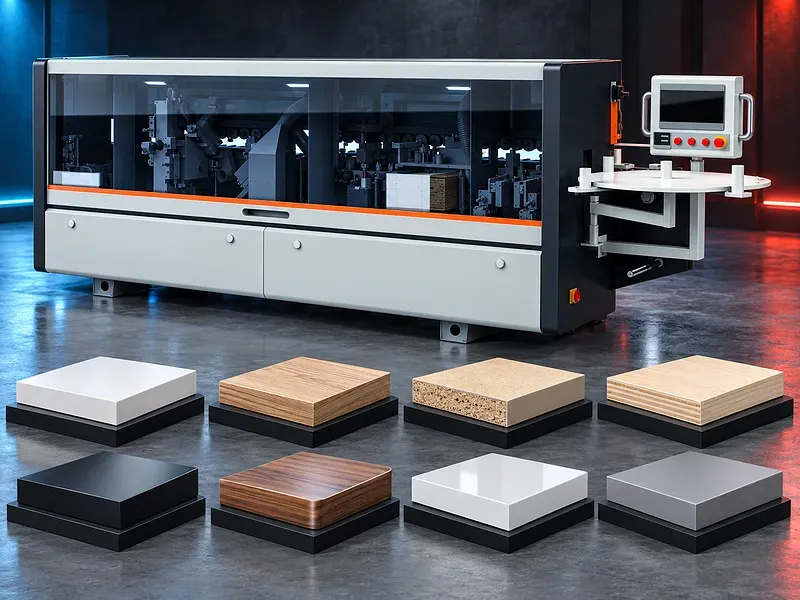
What an automatic edge bander does
The machine moves a straight edged panel through a sequence that bonds edge material to the exposed panel core and finishes the applied edge. The installed units determine which preparation and finishing operations can be completed in one pass.
The process is intended for compatible flat panels with suitable edge geometry. Curved parts irregular contours and special profiles require another machine arrangement unless exact capability is approved.
Panel preparation
The panel should arrive with the required dimensions a straight square clean edge and a surface condition suitable for bonding. Cutting quality dust chips moisture damage delamination and edge breakout can affect adhesion and finish.
Confirm panel type thickness density moisture content coating overhang edge squareness machining allowance and storage condition before defining the process.
Potential panel materials
Potential work may include compatible particleboard medium density fiberboard plywood laminated panels and selected wood based boards when the machine tooling adhesive and process are approved for them.
Material described only as a wood panel is not enough for approval. Core density surface laminate porosity moisture coating heat sensitivity and internal bonding strength should be reviewed.
Edge tape and strip materials
Potential edge products may include selected thermoplastic tapes melamine strips acrylic edges and natural veneer. Each material behaves differently during feeding heating pressing trimming scraping and polishing.
The technical review should confirm edge material thickness width coil or strip form minimum bending behavior primer requirement protective film direction color match storage shelf life and supplier processing instructions.
Infeed and panel transport
The conveyor and pressure beam guide the panel through the machine at a controlled feed rate. Stable reference against the fence and suitable pressure help keep the edge aligned with the processing units.
Minimum and maximum panel dimensions panel mass thickness range feed speed spacing between parts pressure adjustment belt or track condition and workpiece support require confirmation.
Pre milling and edge preparation
A pre milling unit may correct minor saw marks or edge irregularities before gluing when included. It should remove only the approved allowance and create an edge suitable for bonding.
Cutter type motor data rotation direction removal amount tool life extraction guarding adjustment and the effect on finished panel size must be verified for the selected configuration.
Adhesive application
The gluing system applies a controlled adhesive layer to the panel edge or edge material according to its design. Adhesive type temperature viscosity melt condition coating quantity and open time affect bond quality.
The approved process should define compatible adhesive preparation heating range replenishment contamination control color change cleaning shutdown procedure fume extraction storage and safe handling.
Edge feeding and pressure rollers
The feeding unit presents the edge material to the glued panel and the pressure section holds it against the edge while the bond develops. Timing alignment tension and pressure should suit the panel edge and adhesive.
Confirm coil capacity strip feeding cut length leading allowance pressure roller arrangement adjustment sensor logic missing edge detection and handling of short parts or special materials.
End trimming
An end trimming unit may cut the applied edge at the front and rear of the panel when included. Correct tracking timing blade condition and allowance are needed to avoid long ends chipped corners or damage to the panel surface.
Motor speed blade type travel method tracing system thickness limits extraction adjustment and maintenance requirements must follow approved documentation.
Top and bottom trimming
Trimming units may remove edge overhang along the upper and lower faces and create the required profile. Tool geometry and tracing should follow the panel surface without cutting the face material.
Confirm rough and fine trimming arrangement radius or chamfer capability edge thickness panel thickness protective film compatibility tool adjustment extraction and surface protection.
Corner rounding and profile finishing
A corner rounding unit may shape the front and rear corners to match the longitudinal profile when included and approved for the panel and edge thickness.
Part length edge profile cycle interaction tracing clearance tool data and finish expectations require verification. Corner rounding is not included in every automatic edge bander.
Scraping and buffing
Profile scraping may remove fine cutter marks and refine a thermoplastic edge profile. Glue scraping may remove selected adhesive residue near the joint. Buffing may clean and polish the finished edge when the installed units support these functions.
Scraper profile pressure tracking dust extraction buffing wheel compound protective film surface sensitivity maintenance and consumables should be confirmed through trials.
Controls and changeover
The control system may manage feed units temperatures motors actuators thickness settings alarms counters and stored recipes according to the selected machine. Manual adjustment may still be required on some units.
Confirm interface language recipe capacity automatic positioning setup method permissions diagnostics network options backup procedure and changeover steps between panel and edge types.
Production workflow
Begin with approved panel and edge specifications part drawing adhesive instructions machine setup sheet and inspection plan. Check tooling extraction adhesive condition temperatures references sensors and safety functions before production.
Run a sample panel inspect adhesion alignment overhang trimming profile corners surface and dimensions apply approved corrections then release production with regular checks and traceable change control.
Quality and acceptance
Inspection may cover edge position joint closure adhesion pull resistance leading and trailing cuts top and bottom trim radius corner finish glue residue scratches gloss color match panel damage and finished dimensions.
The quality plan should define test method acceptance limits sampling first part approval environmental conditioning destructive checks where required and handling of nonconforming panels.
Furniture and panel applications
Potential applications include compatible cabinet components shelves doors side panels office furniture kitchen furniture wardrobes retail fixtures and general straight edged panel products.
Suitability depends on panel construction edge design visible surfaces production mix finish standard downstream drilling assembly and packing requirements.
How to choose the correct machine
Provide panel material thickness length width minimum part size edge material thickness width form and profile adhesive requirement production quantities batch mix finish standard and target output.
Also define required pre milling trimming corner rounding scraping buffing grooving return conveyor handling extraction compressed air electrical supply floor space staffing maintenance capability and acceptance tests.
Technical information to verify
Approved documents must confirm feed speed panel thickness minimum and maximum panel dimensions minimum spacing edge thickness edge width edge material compatibility adhesive system glue pot or application design temperature range and installed processing units.
Motor power electrical load compressed air extraction ports dust volume dimensions weight floor loading noise basis guarding safety functions controls standard equipment options consumables tools documents training warranty service and acceptance method also require confirmation.
Safety and environmental controls
Risks include moving conveyors pressure mechanisms rotating cutters hot adhesive heated surfaces sharp tools dust chips fumes compressed air electrical energy fire risk jams and manual cleaning or maintenance.
The installation needs approved guards interlocks emergency stops extraction ventilation fire controls adhesive handling procedures isolation safe cleaning tool change methods personal protection training and a documented risk assessment.
Installation and commissioning
Site preparation should cover delivery access level floor working clearance electrical supply compressed air dust extraction ventilation temperature humidity adhesive storage panel flow reject area waste collection and maintenance access.
Commissioning should verify alignment feed transport heating controls extraction air pressure tooling tracking safety functions sample panels finish tests operator training maintenance training documents and an agreed acceptance trial.
Maintenance and lifecycle support
Preventive maintenance should follow approved schedules for conveyors chains tracks pressure belts bearings motors cutters tracing wheels adhesive units heaters nozzles scrapers buffing wheels sensors extraction and safety devices.
Agree recommended tools adhesive and cleaning consumables spare heaters sensors belts chains bearings cutters scrapers wheels filters lubricants calibration items software backups technical documents training and service responsibility.
Limitations and publishing status
The supplied description does not verify panel or edge compatibility feed speed accuracy finish quality installed units adhesive system production scale labor reduction energy use seamless appearance or flawless results.
Publication requires the exact approved datasheet configuration list tooling and adhesive information sample test results safety and extraction requirements approved image technical review staging review and final content approval.
Technical review and next step
Send panel and edge samples part drawings material specifications adhesive preference production mix finish requirements target output utilities and factory layout for technical review.
The review should define the suitable configuration processing units tooling adhesive extraction material handling acceptance trial installation training maintenance consumables and spare parts scope.
Questions we are asked
What is an automatic edge bander?
It is a panel processing machine that bonds compatible edge material to a straight panel edge and finishes it through the units installed in the selected configuration.
Which edge materials can be processed?
Potential materials include selected PVC ABS acrylic melamine and veneer products only when their dimensions primer adhesive temperature and process requirements match the approved machine capability.
Which operations can be completed in one pass?
Potential operations include pre milling gluing edge feeding pressure end trimming top and bottom trimming corner rounding scraping and buffing. The exact installed units must be verified.
What affects the finished edge quality?
Panel edge preparation moisture edge material adhesive temperature feed speed pressure tooling tracking extraction setup and maintenance all affect the result.
What information is needed for selection?
Provide panel and edge materials dimensions production mix required units adhesive preference finish standard target output utilities extraction and factory layout.
Tell us the part you need to make
An engineer reads every request. Usually the same working day.
Related
- CNC WOOD ROUTER CNC routing solutions for cutting, drilling, engraving and machining suitable wood panels and furniture components.
- CNC ROUTER WITH ROTARY A CNC router equipped with a rotary attachment or axis for machining suitable cylindrical and shaped workpieces. Selection depends on the part geometry, material, dimensions, required operations, accuracy, and production volume.
- Panel Saws for Wood Based Sheet Materials Panel saws divide compatible full size boards into accurately planned components for furniture cabinetry fit out and panel processing work. Machine selection depends on the panel material dimensions thickness cut pattern edge quality tolerance production volume blade system handling method dust extraction and required cutting functions.