

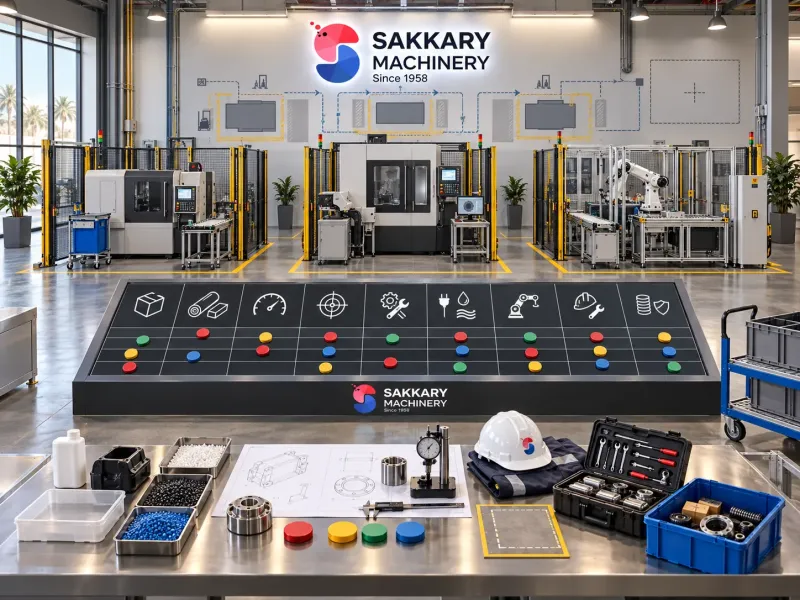
How to Select Machinery for a New Factory
A guide to defining factory production capacity from realistic demand, cycle time, working hours, downtime, setup, scrap and future growth instead of relying only on machine nameplate capacity.
Sakkary Machinery
What we have learned selling, installing and servicing machine tools in Egypt since 1958.
A guide to defining factory production capacity from realistic demand, cycle time, working hours, downtime, setup, scrap and future growth instead of relying only on machine nameplate capacity.
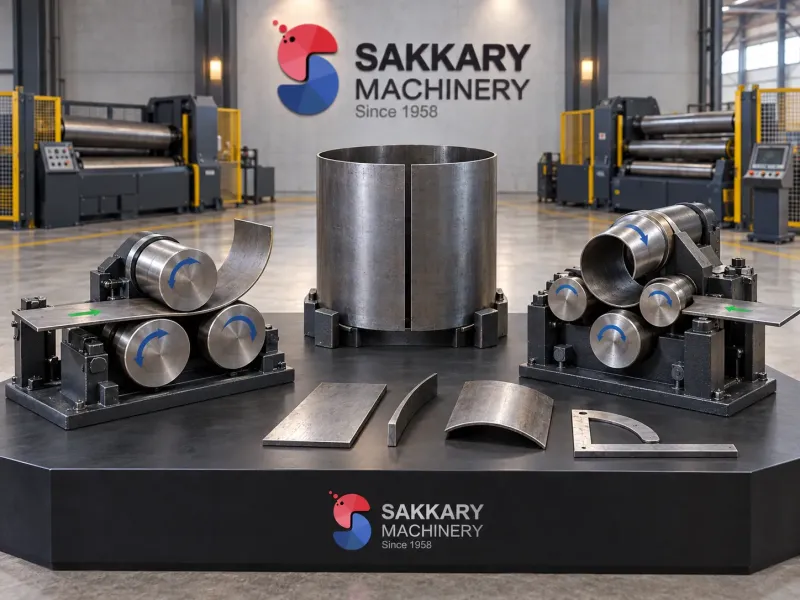
Compare three-roll and four-roll plate rolling by material, thickness, width, diameter, prebending, straight ends, cone work, handling, automation, output and operator method.
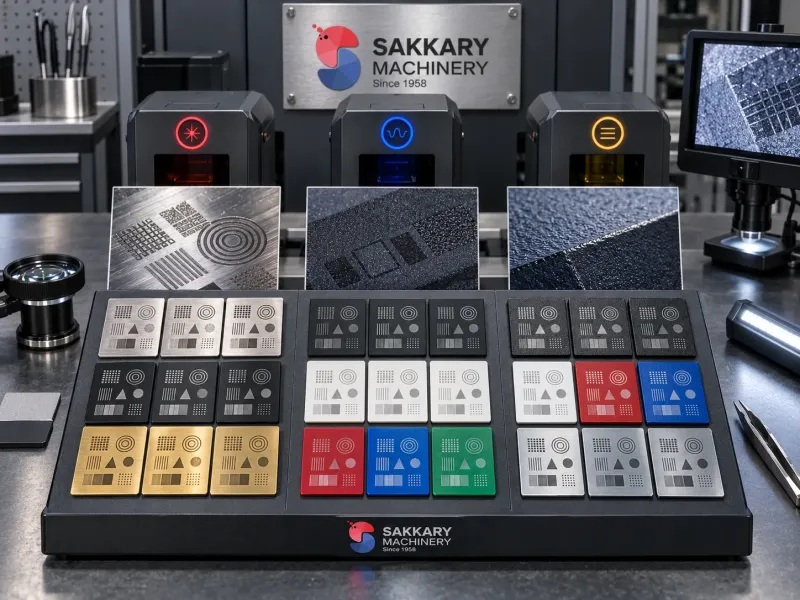
Choose a laser marking source from material response, required mark, contrast, permanence, heat sensitivity, field size, geometry, cycle, integration and validation.
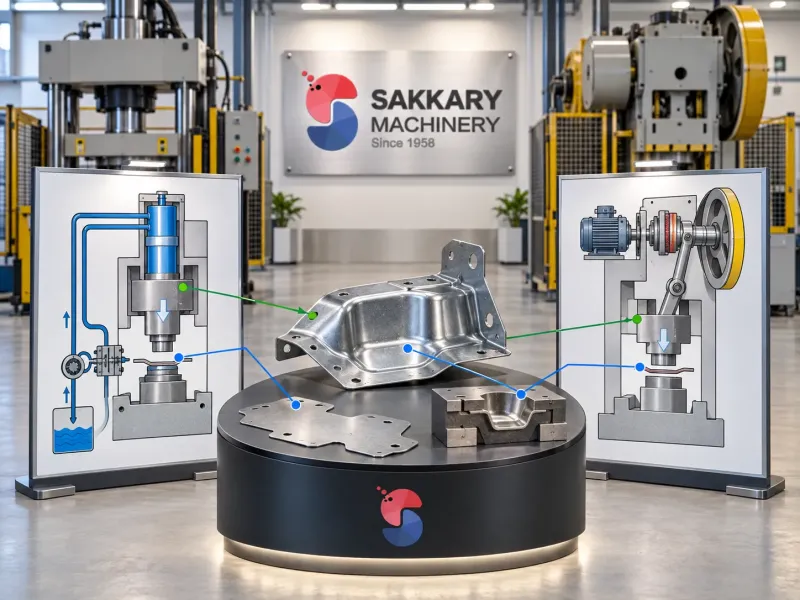
Compare hydraulic and mechanical presses by process force curve, stroke, speed, dwell, energy, tooling, feeding, production rate, control, safety and maintenance.
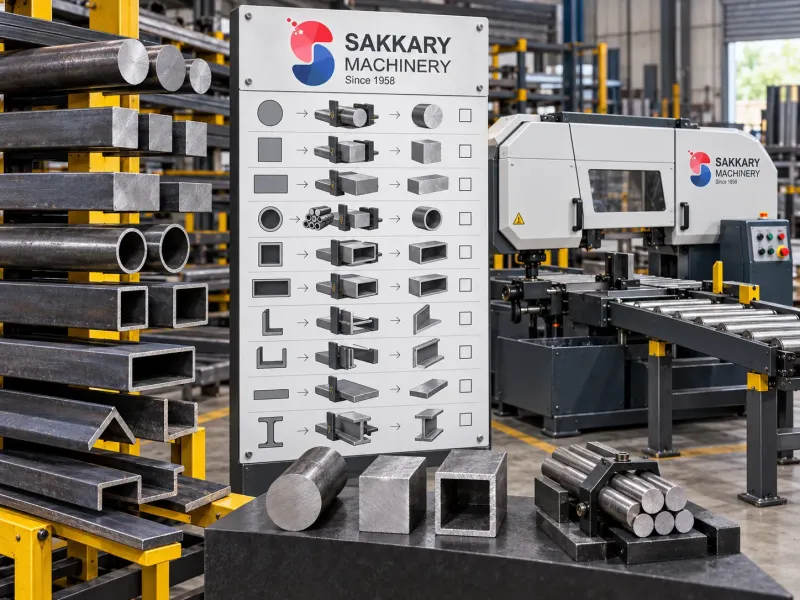
Choose a metal bandsaw from material, section, maximum and routine size, bundle cutting, angle range, blade, clamping, feed, coolant, handling and output.
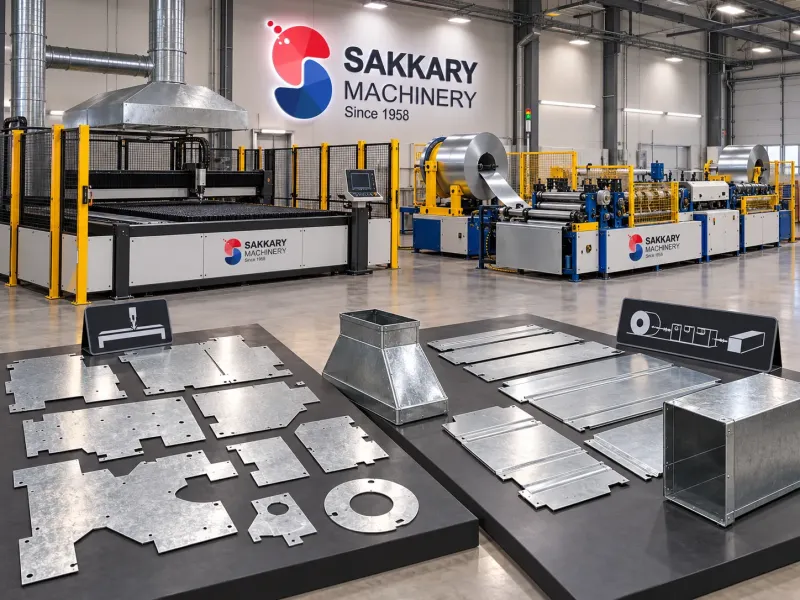
Compare a plasma cutting table and automated duct line by duct mix, coil handling, fittings, straight duct volume, forming integration, labour, space and project flow.
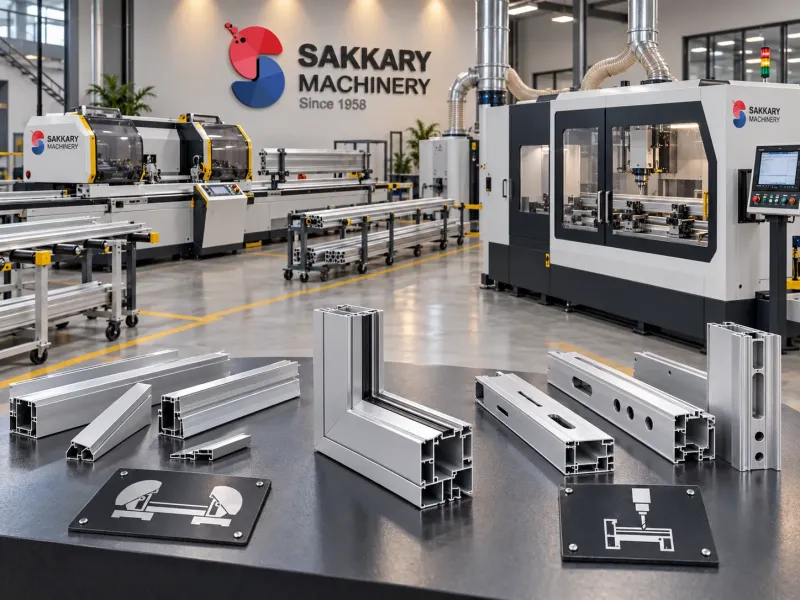
Compare double-head sawing and profile machining centers by cut types, machining features, profile systems, batch mix, accuracy, handling, programming and full route cost.
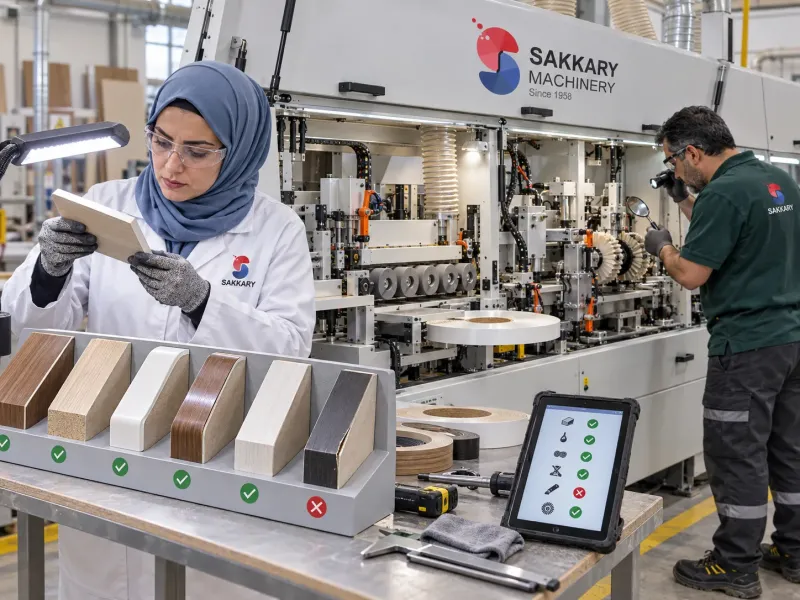
Choose an edge bander from board and edge materials, thickness range, finish, glue system, corner requirements, batch mix, speed, extraction and service.
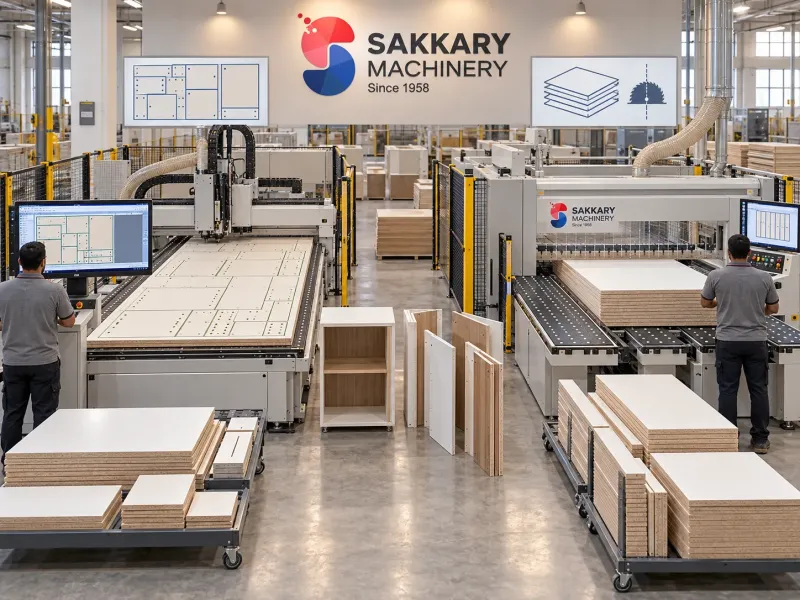
Compare CNC nesting and beam saw production by product mix, batch size, drilling and routing needs, board yield, handling, data flow and downstream balance.
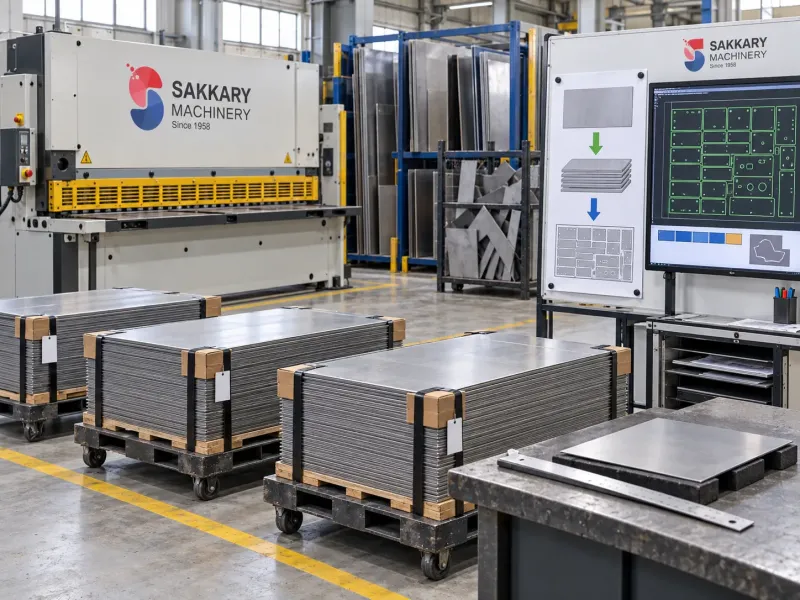
Compare shearing and fiber laser for straight cuts through part geometry, edge requirement, batch mix, nesting, setup, secondary work, handling and cost.
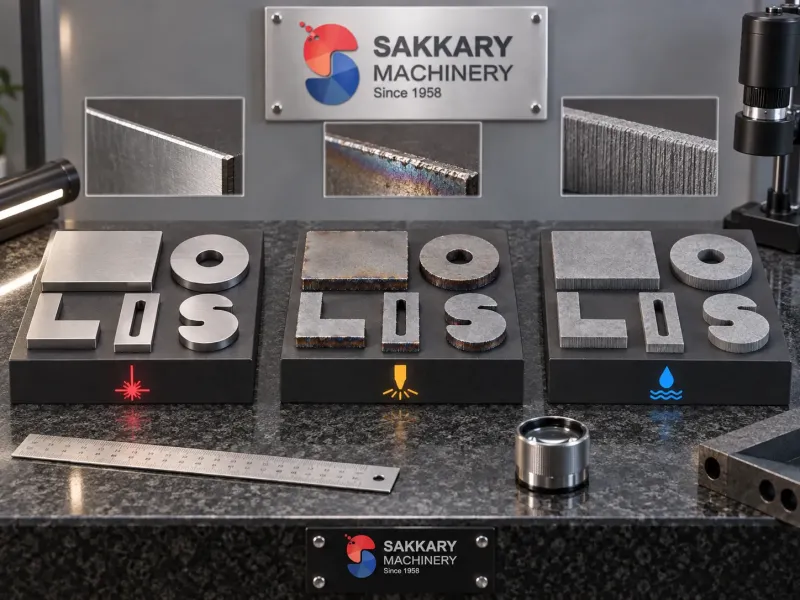
Compare fiber laser, plasma and waterjet by material, thickness, edge requirement, heat effect, geometry, throughput, utilities and cost per accepted part.
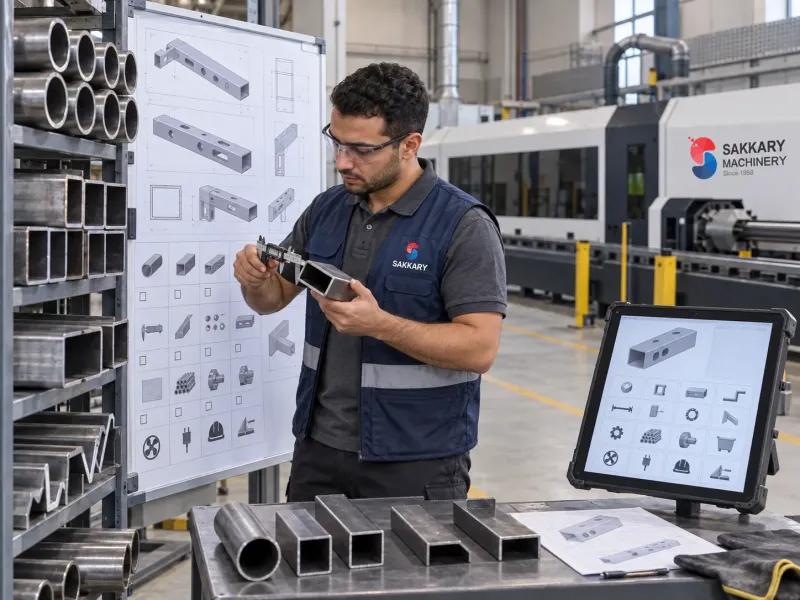
Choose a tube fiber laser from the real profile range, wall thickness, length, batch mix, cut features, loading method and downstream tolerance—not laser power alone.