

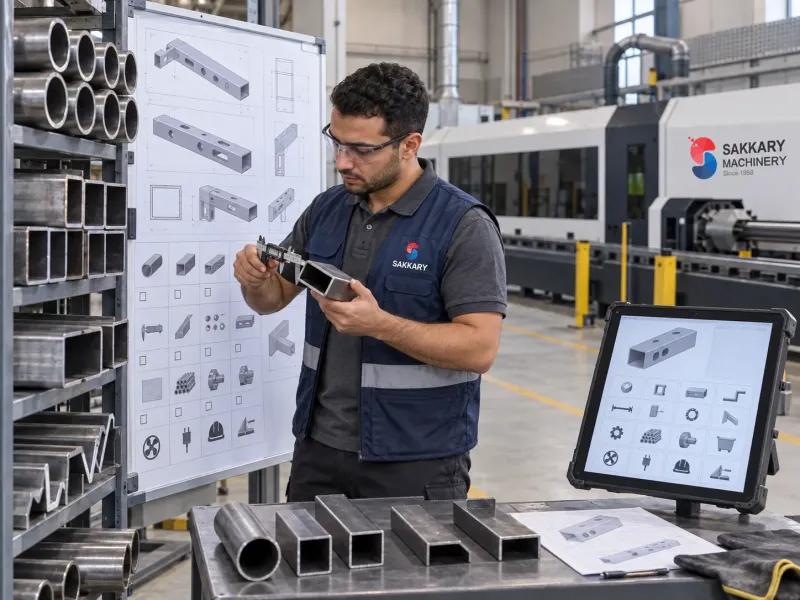
How to Choose a Tube Fiber Laser for Pipes and Profiles
Choose a tube fiber laser from the real profile range, wall thickness, length, batch mix, cut features, loading method and downstream tolerance—not laser power alone.
Sakkary Machinery
What we have learned selling, installing and servicing machine tools in Egypt since 1958.
Choose a tube fiber laser from the real profile range, wall thickness, length, batch mix, cut features, loading method and downstream tolerance—not laser power alone.

Post-purchase ROI tracking compares actual performance with the baseline and business case monthly, explains output, quality, downtime, cost, sales and collection variance, and assigns corrective action.
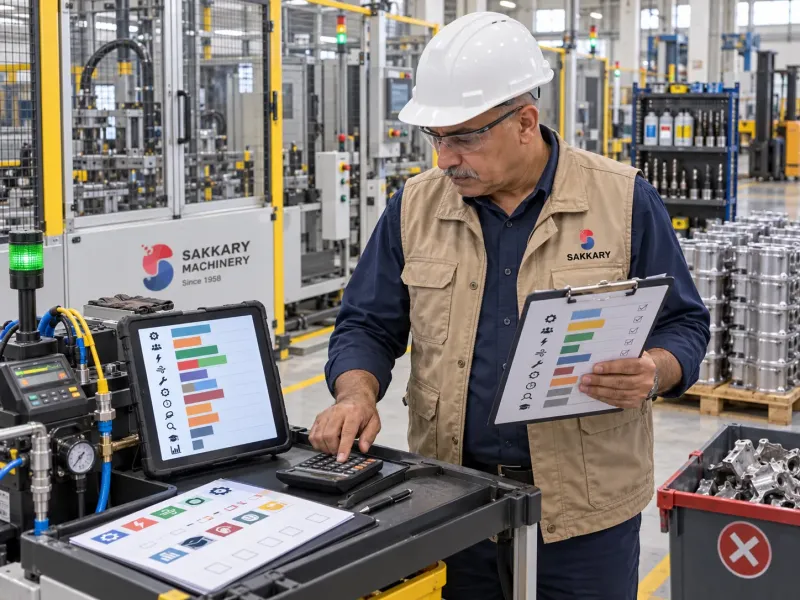
A machinery ROI analysis should use verified investment, demand, good output, contribution, operating cost, downtime, working capital, collections and downside assumptions. A single payback number is not enough.
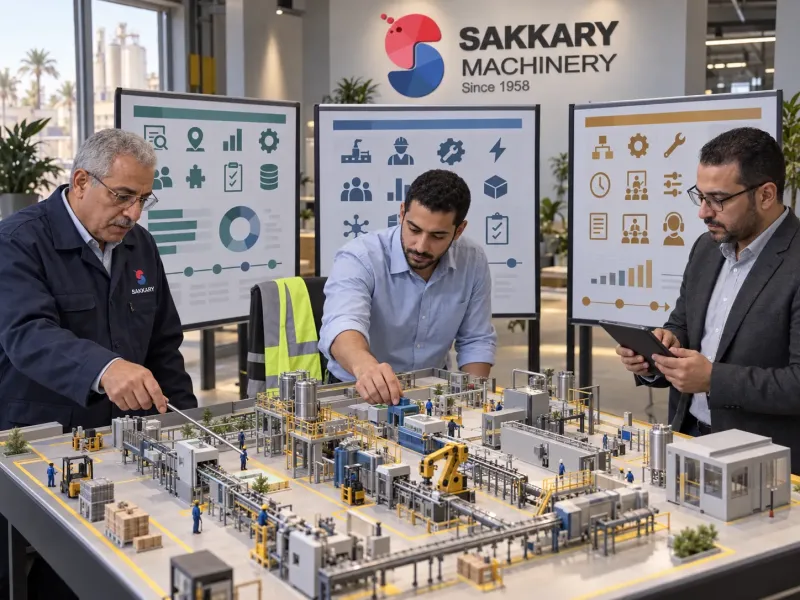
A machinery ROI analysis should use verified investment, demand, good output, contribution, operating cost, downtime, working capital, collections and downside assumptions. A single payback number is not enough.
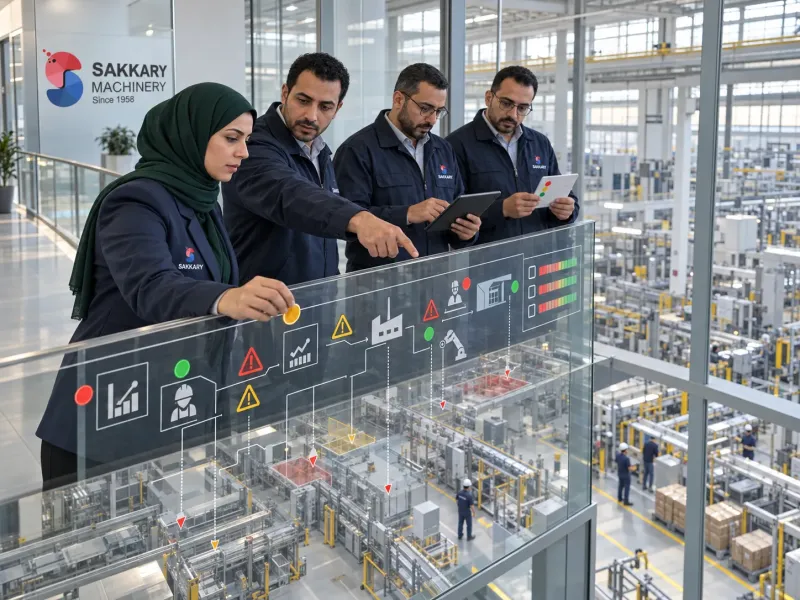
A machinery ROI analysis should use verified investment, demand, good output, contribution, operating cost, downtime, working capital, collections and downside assumptions. A single payback number is not enough.
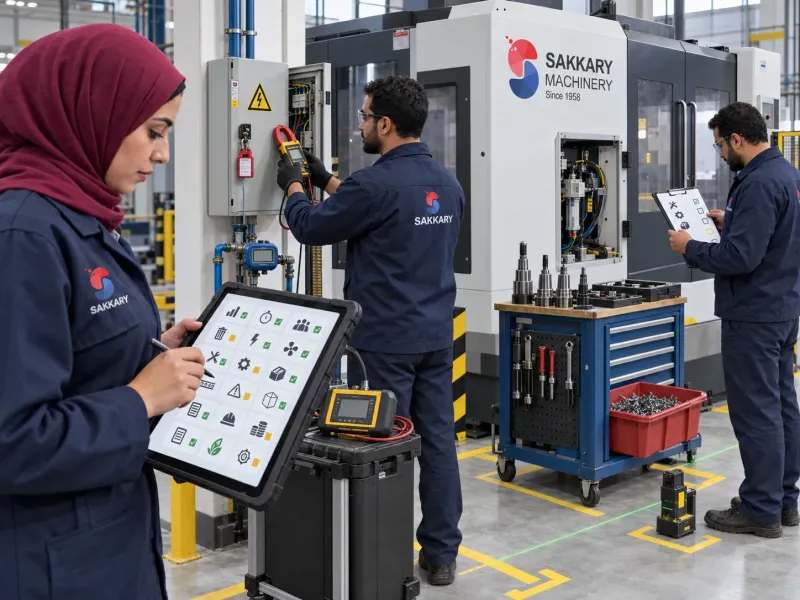
A machinery ROI analysis should use verified investment, demand, good output, contribution, operating cost, downtime, working capital, collections and downside assumptions. A single payback number is not enough.
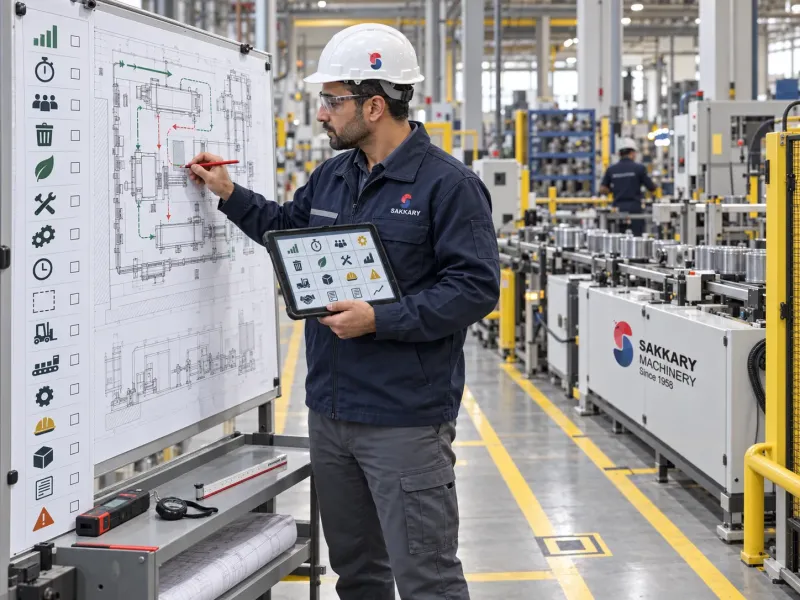
Start with conservative incremental cash flow, not projected sales alone. Deduct material, labor, energy, maintenance, financing and downtime; include quality and released capacity, then test base, downside and stress cases.

A practical framework for retaining machine-operator competence through workplace practice, observation, targeted refreshers, skills matrices, shift coverage and review after process changes.
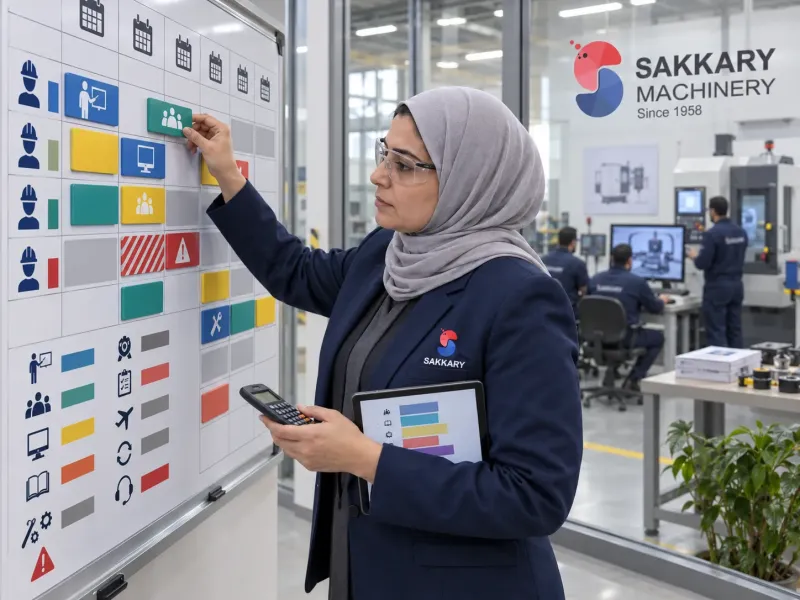
Machine-operator training cost is shaped by competency scope, machine and control, trainee baseline, practical work, materials, downtime, assessment, documentation and follow-up.
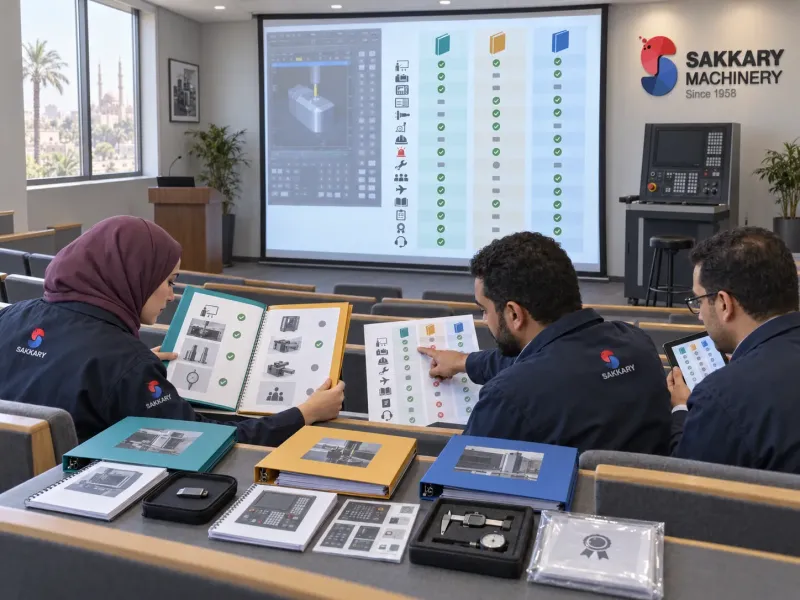
Comparing machine operator training proposals should start with a common scope, measurable learning outcomes and clear practical work—not price or course duration alone. Use this guide to assess content, trainer capability, site readiness, evaluation, handover, support and total cost before you award the work.
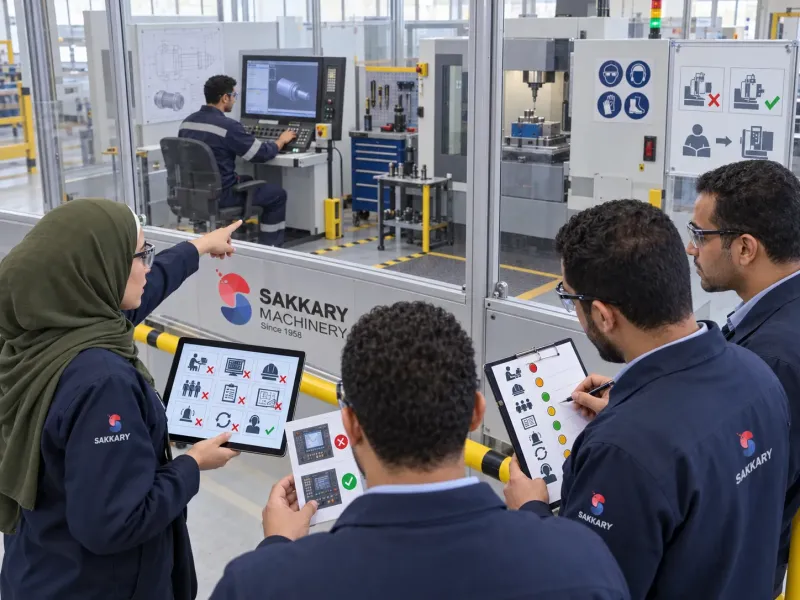
Machine operator training can fail despite good instruction when planning is weak: vague objectives, unsuitable participant selection, poor machine readiness, limited practice or no follow-up. Learn seven common mistakes and the controls that prevent them before, during and after training.
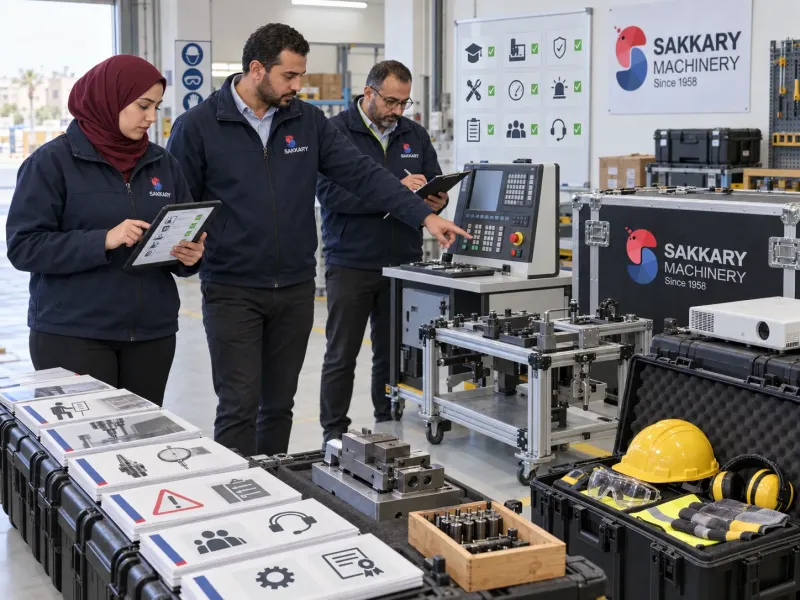
A practical checklist for factory, engineering and procurement teams to verify operator-training scope, trainer, practical work, assessment, cost, deliverables and follow-up before signing.