

SHEET METAL RIB REINFORCEMENT
Sheet Metal Beading Machine for HVAC Ducts
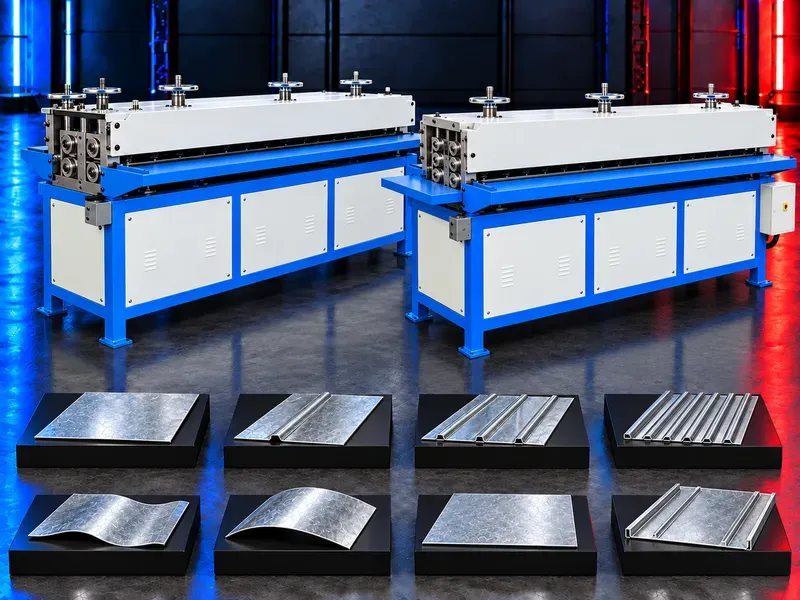
A sheet metal beading machine forms parallel reinforcing ribs in prepared HVAC duct blanks through progressive rolling. The rib pattern helps increase panel stiffness and control vibration when it matches the approved duct design material thickness and downstream forming process.
The operator or feeding system guides a flat sheet blank between matched rolls. Several bead lines may be formed during one pass when the installed roll arrangement supports the required pattern. The machine can work as a separate workshop unit or as part of an automatic duct production route with cutting notching flange forming folding lock forming seam closing and clip preparation equipment. Claims for a fixed number of ribs stable output custom multi line patterns and extended machine life require confirmation from the exact roll drawing material range data sheet and sample trials.
What the machine does
The machine forms longitudinal or transverse reinforcing beads in approved sheet blanks before folding and duct assembly. The roll layout determines the number spacing shape and direction of the ribs.
The result depends on sheet condition entry alignment roll geometry pressure drive stability and inspection.
Why ducts use reinforcing ribs
Reinforcing beads can increase panel stiffness reduce oil canning and help control vibration in rectangular duct surfaces when specified by the duct design.
Beading does not replace reinforcement required by the applicable duct standard and should be selected with duct size pressure class thickness and support spacing.
Multi line beading
A multi line arrangement forms several ribs during one feed. The actual line count is fixed or adjustable according to the installed shafts spacers and roll sets.
Verify the available number of ribs center spacing working width and whether unused lines can be bypassed without marking the sheet.
Rib geometry and pattern
Rib width depth profile radius spacing and orientation influence stiffness appearance and downstream folding. The pattern should be defined on the duct blank drawing.
Confirm clearance from flange edges corner notches seams bends and fastener locations so the beads do not interfere with assembly.
Sheet feeding and guidance
Entry guides and supports should keep the blank level and aligned as powered rolls draw it through. Long wide or flexible sheets may require additional infeed and outfeed support.
Verify feeding direction minimum and maximum blank dimensions support height and handling rules for coated or finished surfaces.
Beading rolls and shafts
Matched upper and lower rolls progressively form the rib while shafts bearings and spacers maintain the pattern. Roll finish alignment and rigidity affect rib consistency and surface condition.
Verify roll material heat treatment shaft diameter bearing arrangement spacer system replacement method lubrication wear limits and spare roll availability.
Drive and adjustment
The drive advances the sheet through the roll set while adjustments control pressure gap or position according to the supplied design. Settings should suit the material without crushing coatings or overstressing the sheet.
Confirm drive power speed control overload protection adjustment indicators and procedures for restoring the approved setup.
Materials and thickness
Provide sheet grade coating thickness width hardness surface finish and protective requirements. Galvanized sheet stainless steel aluminium or other materials require separate confirmation for roll shape pressure speed lubrication and springback.
The usable thickness range must be verified for the exact rib pattern because deep or closely spaced beads can change forming load.
Custom patterns
Custom multi line tooling may be engineered for a specific duct blank or reinforcement pattern. Customization should start from approved drawings material samples and production volumes.
Confirm engineering ownership roll delivery replacement compatibility setup method and acceptance samples before ordering.
Integration in duct production
Beading is commonly positioned after blank cutting or leveling and before notching flange forming folding and seam operations. The correct order depends on the duct route and available line configuration.
Define the reference edge and sheet orientation so downstream holes notches folds and seams remain correctly located.
Productivity and changeover
Output depends on blank size material thickness line count loading support forming speed changeover and the capacity of upstream and downstream stations.
Measure accepted beaded blanks per shift and record setup and cleaning time during representative trials.
Quality control
Acceptance should cover rib count spacing depth straightness symmetry surface marking panel flatness edge condition and compatibility with folding flanges seams and assembly.
Inspect the first blank after roll adjustment material change pattern change or maintenance using approved templates and calibrated tools.
Common process risks
Poor alignment uneven roll pressure worn bearings unsuitable thickness or inadequate support can cause wandering beads unequal depth twist surface damage or panel distortion.
Correct the roll setup when the pattern falls outside the approved drawing rather than compensating during duct assembly.
Safety and operator protection
The machine contains powered rolls pinch points rotating shafts transmission components and sharp sheet edges. Guards emergency stops safe feeding tools and controlled access should follow the approved risk assessment.
Safe procedures must cover loading alignment trial forming unloading jam recovery roll adjustment cleaning lubrication and maintenance.
Installation and site readiness
Site preparation should confirm level floor electrical supply required compressed air infeed and outfeed clearance lighting sheet storage and service access.
Provide stable sheet supports and enough space to prevent wide blanks from striking nearby equipment or people.
Lubrication and maintenance
Lubrication should follow the approved schedule and specified points rather than being applied generally to forming surfaces. Excess oil can contaminate sheets and later sealing operations.
Preventive maintenance should address rolls shafts bearings spacers gears chains drives guards fasteners alignment electrical controls and emergency devices.
Training and lifecycle support
Training should cover pattern identification sheet orientation safe feeding adjustment gauges material change jam recovery lubrication and daily inspection.
Prepare approved spare bearings rolls spacers drive components sensors and consumables and define service and acceptance responsibilities.
How to select the correct machine
Start with duct standards panel dimensions materials thickness range required rib drawing line count spacing production mix shift target surface requirements and downstream operations.
Selection should confirm roll layout working width drive capacity supports utilities customization maintenance access and representative sample trials.
Technical information requiring verification
Verify standard and optional rib counts rib shape depth width spacing materials thickness range working width forming speed drive power adjustment method roll and shaft data utilities electrical load compressed air dimensions and total weight.
Confirm custom tooling guards installation commissioning training warranty service scope spare parts lubrication schedule and acceptance tests from approved documentation.
Publishing status
This page describes the machine category process and selection logic. Exact rib count pattern dimensions thickness speed output materials custom options standards and commercial commitments require an approved data sheet and technical review before publication.
Questions we are asked
What is a sheet metal beading machine?
It is a roll forming machine that creates reinforcing ribs in prepared sheet blanks for HVAC duct production.
Why are reinforcing beads used?
Beads can increase panel stiffness and help control vibration when their pattern matches the approved duct design and standard.
How many ribs can the machine form?
The number depends on the installed roll layout shaft arrangement working width and approved tooling and must be verified for the exact machine.
Can the rib pattern be customized?
Custom patterns may be possible from an approved drawing material sample engineering review and representative acceptance trial.
How is beading quality checked?
Check rib count spacing depth straightness symmetry surface condition panel flatness and compatibility with later folds flanges and seams.
What information is needed for selection?
Provide duct standard panel dimensions material thickness rib drawing line count spacing quantities surface requirements downstream operations utilities and layout.
Tell us the part you need to make
An engineer reads every request. Usually the same working day.
Related
- Spiral Duct Forming Machine A forming machine for producing round spiral air ducts from compatible metal strip. Machine selection depends on duct diameter, material, strip thickness and width, seam type, cut length, and production target.
- U Shape Automatic Duct Production Line A U shape automatic duct production line converts approved sheet metal coils into prepared duct sections through a coordinated sequence that may include uncoiling leveling beading punching shearing locking flange forming and folding. The correct configuration depends on duct type material thickness dimensions flange system output target and factory layout.
- Automatic Duct Production Line for Rectangular HVAC Ducts An automatic duct production line converts approved sheet metal coils into prepared rectangular HVAC duct blanks and folded sections through a coordinated linear workflow. Depending on the verified configuration it may integrate uncoiling leveling beading punching shearing transfer locking flange forming and folding