

NONMETAL LASER ENGRAVING AND CUTTING
CO2 Laser Engraving and Cutting Machine
A CO2 laser engraving and cutting machine processes compatible nonmetal materials by directing a controlled laser beam over the workpiece. Correct selection depends on whether the task is engraving or cutting material composition and thickness required edge and mark quality work area laser power extraction cooling software and production volume.
The machine follows a digital design and controls laser power speed focus and motion to engrave a surface or cut through a compatible material. The same material may need different parameters for marking engraving and cutting. Wood acrylic leather rubber selected plastics and other nonmetal materials may be candidates only after confirming composition fumes flammability finish and sample results. Glass or crystal may be suitable for surface engraving in some processes but should not be presented as a general cutting material. Claims for maximum cutting or engraving speed laser tube life precision and customization require confirmation from the exact configuration approved material tests and documented operating conditions.
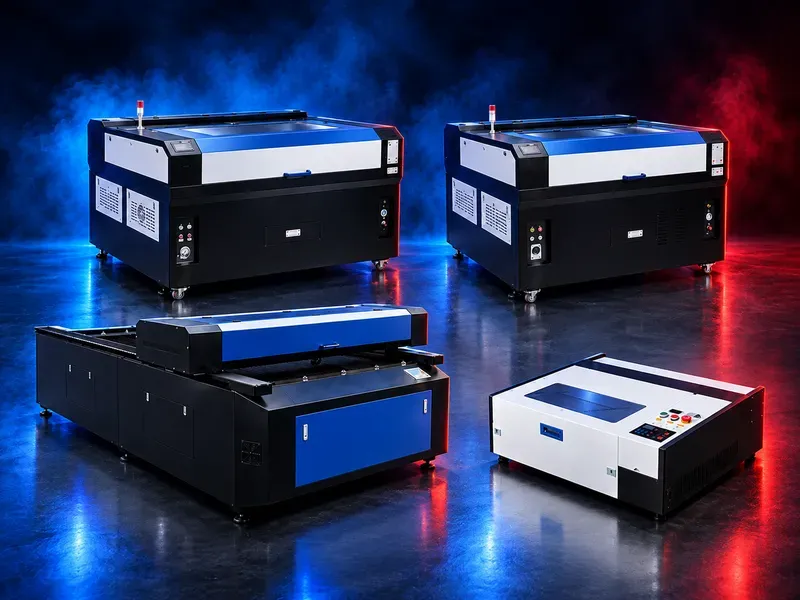
What the machine does
The machine converts vector or raster artwork into controlled laser motion for surface marking engraving or profile cutting on approved materials.
The process result depends on the complete combination of source power optics focus motion material and extraction.
Engraving and cutting are different
Engraving removes or changes a controlled surface layer while cutting requires enough energy and gas flow to pass through the full material thickness. Speed quality and fire risk differ between these operations.
Define the required depth contrast edge finish kerf and permissible heat effect before selection.
Material compatibility
Provide the exact trade name composition thickness color coating adhesive backing and safety data for every material. Similar looking plastics can produce very different fumes and results.
Approve each material and thickness through documented sample tests before production.
Materials requiring restriction
Do not process unknown materials or materials that can release corrosive or highly toxic fumes. Chlorine or fluorine containing polymers and other hazardous compositions require explicit professional review and may be prohibited.
Extraction does not make an unsuitable material safe. Follow the material safety data and the approved risk assessment.
CO2 laser source
The source may use a glass tube or another verified CO2 laser design. Power mode cooling operating current environment and duty cycle influence output stability and service life.
Laser life must be stated only with the exact source specification rated conditions and approved replacement plan.
Optics focus and beam delivery
Mirrors lens nozzle alignment focal distance cleanliness and cooling affect spot quality engraving detail and cutting consistency. Incorrect focus can widen the cut reduce depth or overheat the material.
Confirm lens options focus method air assist alignment procedure and approved cleaning materials.
Motion system and speed
Real productivity depends on acceleration path complexity corner control resolution material response and quality settings rather than headline travel speed alone.
Verify cutting and engraving speed separately on representative designs and materials using accepted quality criteria.
Work area and material handling
The usable bed must fit the largest sheet or object while allowing focus exhaust and safe clearance. Honeycomb knife or other bed types can affect support back reflections smoke and small part handling.
Confirm loading access pass through features rotary compatibility maximum workpiece height and safe removal.
Extraction air assist and fire control
Effective extraction removes smoke and process fumes from the enclosure while air assist can protect optics and improve some cuts. Requirements depend on material power and duty cycle.
Provide suitable ducting filtration or discharge fire detection supervision extinguishing arrangements and a clear response to flame or excessive smoke.
Cooling and utilities
The laser source may require a dedicated cooling system with controlled temperature flow and water quality. Electrical supply compressed air network connection and extraction power must match the verified configuration.
Monitor cooling and interlocks and stop operation when utilities leave approved limits.
Software and file preparation
Confirm supported file formats vector and raster workflows layer control parameter libraries nesting origin handling and communication method. Artwork should use clean closed paths and suitable image resolution.
Test the full path from design import to machine output before accepting production files.
Quality control
For cutting inspect dimensions kerf edge finish taper discoloration melting residue and complete separation. For engraving inspect detail depth contrast uniformity registration and surface damage.
Approve the first part after material focus lens source power parameter or maintenance changes.
Productivity and operating cost
Accepted output depends on design complexity material thickness loading path optimization engraving density cutting speed cooling extraction cleaning and inspection.
Operating cost should include laser source optics filters cooling electricity air consumables maintenance rejects and labor using verified local inputs.
Customization and sample approval
Machine options or tooling may be adapted for a defined application only after reviewing drawings samples utilities safety and acceptance criteria. Customization should not be described as unlimited.
Document the approved configuration software parameters test sample and responsibilities before order release.
Common process risks
Wrong material poor focus dirty optics inadequate extraction unstable cooling excessive power or unattended operation can cause weak results fumes fire melting discoloration lens damage or source failure.
Stop work and correct material utilities optics or parameters when results or safety conditions leave approved limits.
Safety and operator protection
The machine contains laser radiation high voltage moving axes hot material fumes fire risk and cooling systems. A suitable enclosure interlocks emergency stops extraction supervision signage and personal protection must follow the verified laser class and risk assessment.
Never bypass interlocks or leave flammable processing unattended. Procedures must cover setup testing flame response cleaning optics isolation and maintenance.
Installation and site readiness
Confirm floor and access electrical load earthing cooling ventilation extraction discharge permissions compressed air environmental temperature humidity material storage fire controls lighting and maintenance clearance.
Protect people and neighboring processes from fumes noise heat and laser hazards.
Training maintenance and lifecycle support
Training should cover material approval files parameters focusing origin setup quality checks fire response fumes safe recovery isolation and daily inspection.
Preventive maintenance should address optics alignment lens and mirror cleaning rails belts drives fans filters cooling water pumps hoses sensors interlocks electrical connections and emergency devices. Prepare approved consumables and spares.
How to select the correct machine
Start with materials and safety data thicknesses sample designs operation type workpiece size quality criteria quantities shift pattern utilities extraction route software needs and site constraints.
Selection should confirm source power work area optics focus motion bed extraction cooling air assist controls enclosure laser class service support and sample approval.
Technical information requiring verification
Verify laser type rated power work area supported materials and thicknesses cutting and engraving performance positioning data lens options focus method motion system bed types cooling extraction air assist software electrical load dimensions and total weight.
Confirm laser life basis laser class interlocks standards installation commissioning training warranty service scope consumables spares and material specific acceptance tests from approved documentation.
Publishing status
This page describes the machine category process and selection logic. Exact speeds laser life power materials thickness accuracy options utilities standards and commercial commitments require an approved data sheet safety documentation and technical review before publication.
Questions we are asked
What can a CO2 laser machine process?
It can engrave or cut approved nonmetal materials after composition safety thickness and sample results are verified.
Can it cut glass or crystal?
Glass and crystal may be suitable for certain surface engraving methods but general cutting capability should not be assumed.
Can it process every plastic?
No. Unknown plastics and materials that release hazardous or corrosive fumes must not be processed without professional approval.
What determines cutting and engraving speed?
Material thickness design complexity laser power focus motion settings air assist extraction and required quality all affect speed.
How long does the laser source last?
Service life depends on the exact source operating conditions cooling duty cycle and maintenance and must be verified from approved documentation.
What information is needed for selection?
Provide material names and safety data thicknesses sample files workpiece sizes required quality quantities utilities extraction plan and site conditions.
Tell us the part you need to make
An engineer reads every request. Usually the same working day.
Related
- Industrial Marking Solutions Laser and industrial marking solutions selected according to the material, mark content, contrast, permanence, production speed, and integration requirements.
- Gantry Type Large Format UV Laser Marking Machine A gantry type UV laser marking machine combines an ultraviolet laser source with programmable large area motion for fine marking engraving or other verified microprocessing tasks. Correct selection depends on material response workpiece size mark content field stitching quality laser power and wavelength focus motion accuracy extraction cooling software safety and production volume.
- MOPA Fiber Laser Marking Machine for Precision & Color Marking MOPA fiber laser marking solution for precision marking, stainless-steel color marking, anodized aluminium blackening, controlled surface processing and selected electronics applications.