

Laser Marking, Engraving & Cutting Solutions
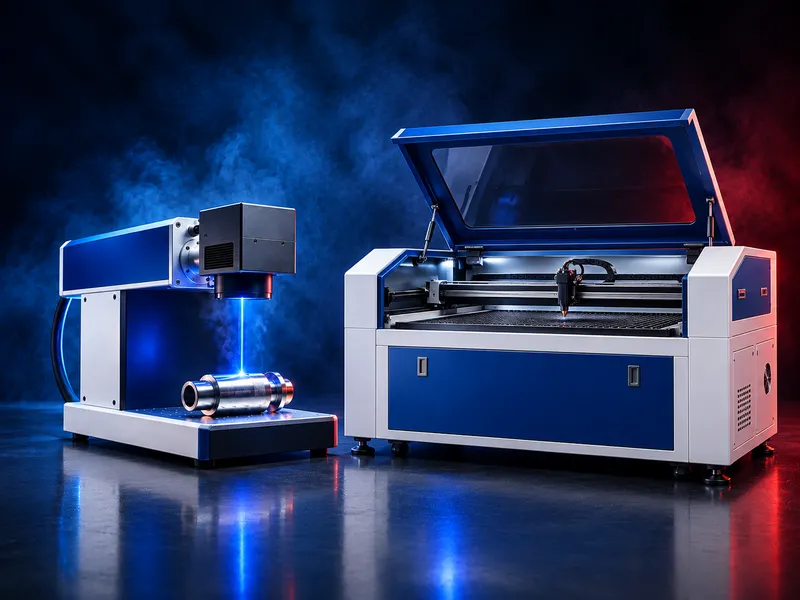
Laser Marking & CO₂ Laser Machines
Laser solutions for permanent marking, engraving and cutting across metals and non-metals — selected according to the material, application, working area and required production output.
Types in this category
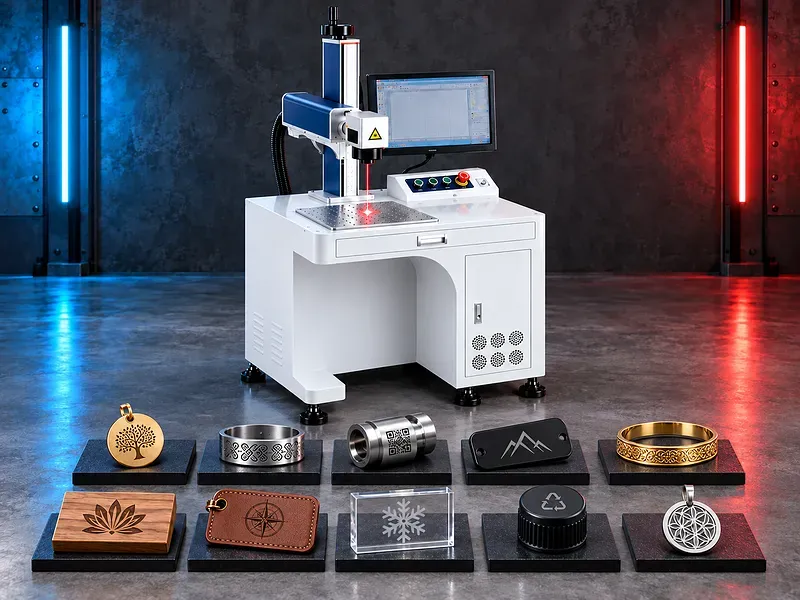 Marking SolutionsLaser and industrial marking solutions selected according to the material, mark content, contrast, permanence, production speed, and integration requirements.
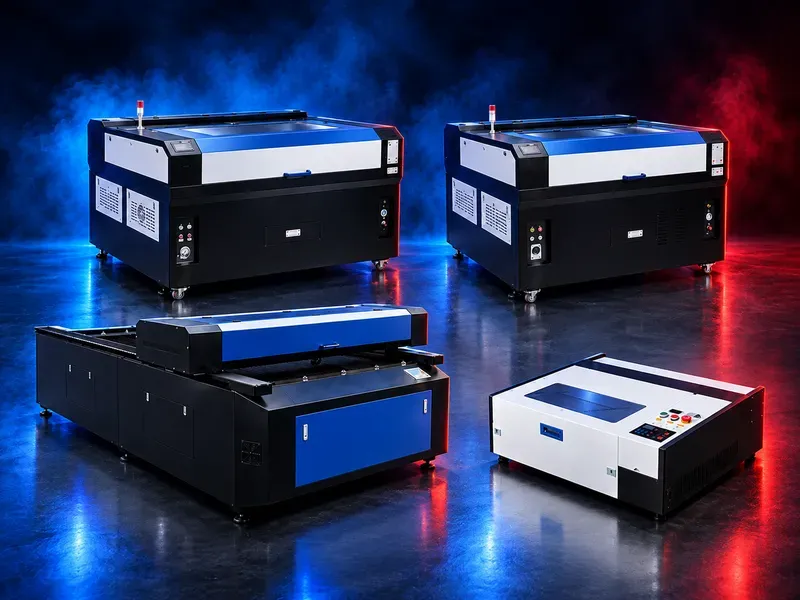 CO2 Laser Engraving and Cutting MachineA CO2 laser engraving and cutting machine processes compatible nonmetal materials by directing a controlled laser beam over the workpiece. Correct selection depends on whether the task is engraving or cutting material composition and thickness required edge and mark quality work area laser power extraction cooling software and production volume.
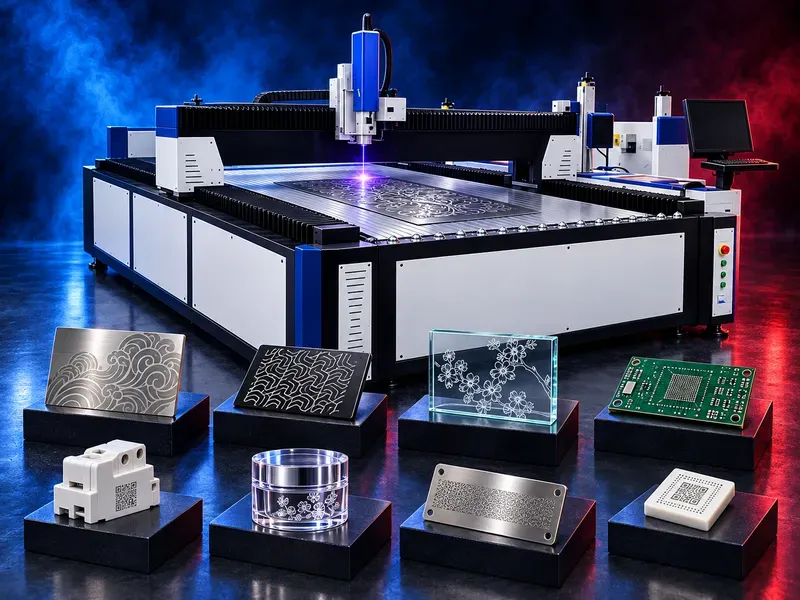 Gantry UV Laser Marking MachineA gantry type UV laser marking machine combines an ultraviolet laser source with programmable large area motion for fine marking engraving or other verified microprocessing tasks. Correct selection depends on material response workpiece size mark content field stitching quality laser power and wavelength focus motion accuracy extraction cooling software safety and production volume.
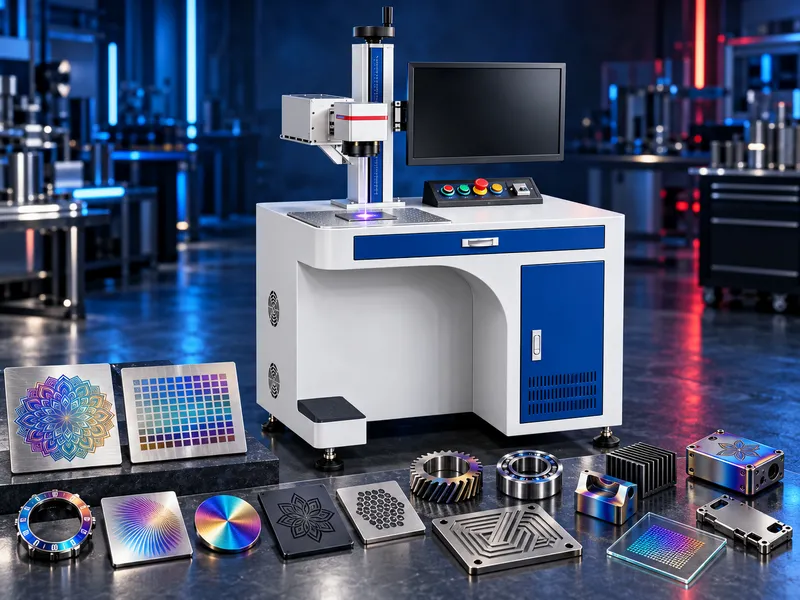 MOPA Laser Marking MachineMOPA fiber laser marking solution for precision marking, stainless-steel color marking, anodized aluminium blackening, controlled surface processing and selected electronics applications.
SAKKARY MACHINERY provides laser marking, engraving and cutting solutions for industrial identification, traceability, branding, personalization and material processing applications. The range includes Fiber Laser Marking Machines for metals and selected engineering plastics, CO₂ Laser Marking Machines for many organic and non-metallic materials, and CO₂ Laser Cutting & Engraving Machines for applications requiring a larger working area. Applications range from serial numbers, QR and Data Matrix codes and product logos to deep engraving, jewellery personalization, signage, gifts, packaging and cutting or engraving suitable non-metallic materials. Choosing the correct laser starts with the material and required process. Marking, deep engraving and cutting are different applications and may require different laser sources, power levels, lenses, working areas and machine configurations.
What it is for
- Serial numbers, batch numbers and product identification
- QR codes and Data Matrix codes
- Logos, branding and product personalization
- Nameplates, tags and industrial identification
- Scale, dial and instrument markings
- Traceability marking on manufactured components
- Deep engraving on suitable metals
- Jewellery marking and engraving, including suitable gold and silver applications
- Marking on tools, dies and industrial components
- Engraving on wood, leather, acrylic and other suitable non-metallic materials
- Signage, gifts and promotional products
- Cutting and engraving suitable sheets and non-metallic materials with CO₂ laser systems
How to choose
- Mark, engrave or cut — define the process first
- Surface marking creates identification or contrast on the part. Deep engraving removes more material, while cutting passes through the material. Each process has different requirements for laser type, power and processing time.
- he material determines the laser technology
- Fiber laser is generally selected for metals and suitable engineering materials. CO₂ laser is commonly selected for organic and many non-metallic materials. Material compatibility should be confirmed before selecting the machine.
- Choose the required marking or working area
- For a laser marker, the lens determines the marking field available without repositioning the part. Larger components may require a larger field, moving axis or dedicated positioning system.
- For CO₂ cutting and engraving machines, the table dimensions should be selected according to the maximum sheet or workpiece size.
- Select the laser power according to the job
- Required power depends on the material, required marking or engraving depth, cutting thickness, production speed and application. Power should not be selected from the material name alone.
- Consider flat and cylindrical parts
- Bottles, rings, jewellery, tubes and other cylindrical components may require a suitable rotary attachment.
- Consider production integration
- A standalone bench marker has different requirements from a laser system integrated into a production line. Automation, part detection, fixtures, conveyors, enclosures and communication with other equipment should be defined according to the production process.
- Plan extraction and workplace requirements
- Marking, engraving and cutting can generate fumes, smoke or particles depending on the material. Suitable extraction, filtration and machine enclosure should be selected according to the application.
Information Required to Select the Machine
- - Material
- - Product or workpiece
- - Marking, engraving or cutting requirement
- - Maximum workpiece dimensions
- - Required marking or working area
- - Required engraving depth, if applicable
- - Material thickness for cutting applications
- - Flat or cylindrical workpiece
- - Required production output
- - Standalone or production-line operation
- - Sample drawing, logo, code or artwork where available
Questions we are asked
What is the difference between Fiber Laser and CO₂ Laser?
Fiber laser is generally used for marking and engraving metals and compatible engineering materials, while CO₂ laser is commonly used for many organic and non-metallic materials. The correct technology depends on the exact material and required process.
Can one laser machine work on every material?
No. Laser wavelength, source type and machine configuration determine material compatibility. The material should be confirmed before selecting the machine.
What is the difference between laser marking and laser engraving?
Marking generally creates identification or contrast on the surface, while engraving removes material to create depth. The required depth affects power, settings and processing time.
Can laser marking machines create QR codes and serial numbers?
Yes, suitable laser marking systems can be used for serial numbers, batch codes, QR codes, Data Matrix codes and other traceability marks when configured with the appropriate software and production workflow.
Can Fiber Laser mark gold and silver?
Suitable fiber laser configurations can be used for marking and engraving precious metals such as gold and silver. The correct source, power, lens and parameters should be selected according to the required result.
Can CO₂ laser cut metal?
The CO₂ systems in this category should primarily be selected around compatible non-metallic materials unless a specific machine is technically configured and verified for metal processing.
Can the machine mark cylindrical products?
Suitable laser marking machines can work with cylindrical components using an appropriate rotary attachment and fixture.
How do I choose the correct laser power?
Provide the material, required process, workpiece dimensions, marking or working area, engraving depth or cutting thickness and required production output. Power can then be selected around the actual application.
Can a laser marker be integrated into a production line?
Yes, depending on the selected system. Integration may include fixtures, sensors, conveyors, automated loading, code generation and communication with other production equipment.
Tell us the part you need to make
An engineer reads every request. Usually the same working day.
Related
- Fiber laser machines Open-table and enclosed cutters, plus laser welding — the fastest route from a sheet to a finished edge.
- CNC machines Milling, turning, drilling, wire cut and EDM — the machines that hold a tolerance while the operator does something else.
- Metal working machines Lathes, drills and grinders — the machines a workshop is built around and the ones it keeps longest.