Short Answer
Before buying Laser Welding Machines, fix the application, output, quality, site and cost data; normalize supply scope, trial a real sample, and document acceptance, training and support. A written checklist prevents unequal comparisons.
1. Application and part file
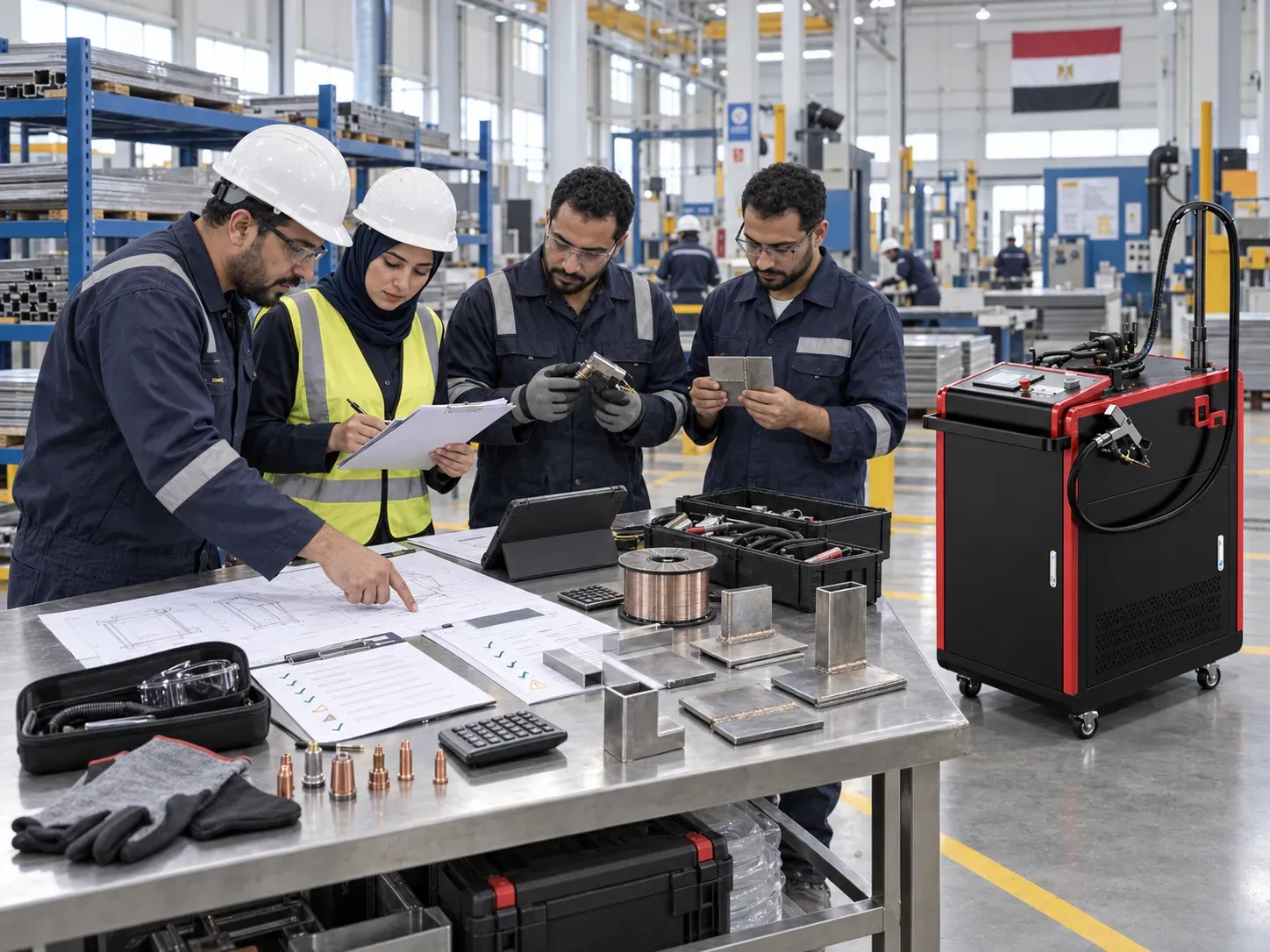
Define material, thickness, joint, gap, edge condition and access. Fit-up variation can influence results more than source power.
2. Capacity and configuration
Compare preparation, welding, cleaning, rework and inspection, not beam travel alone. Calculate cost per accepted part and distortion.
3. Operation and auxiliaries
Use a site risk assessment, suitable enclosure, approved protection, reflection control and fume extraction under supplier and local requirements.
4. Trial and acceptance
Train operators in setup, operation, inspection and daily care. Define samples and quality tests appropriate to the application.
5. Supplier and support
Document site, installation, commissioning, training, warranty, spares, ticket channels and escalation responsibilities. Ask for named owners and closure records rather than verbal assurances.
6. Commercial decision
Compare total cost, payment terms, currency and collection risks where relevant, and time to stable production. Record why the option was selected and which assumptions will be measured after startup.
Frequently Asked Questions
Is price comparison enough?
No. Normalize application fit, supply scope, support and total cost.
When should the checklist be issued?
With the RFQ and before final comparison.
Who approves it?
Production, technical, finance, procurement and management according to investment risk.
Next Step
Share your part, material, target output and site requirements with SAKKARY MACHINERY for a technical review of laser welding machines.
Need a machine, tooling or a service visit?
Request a price