Blog Machinery Selection & Buying Guides
How to Choose the Right Industrial Machine for Your Factory
1 min read
Short Answer
The right machine is not the most expensive or feature-rich. It is the machine that delivers the required product, quality and output while fitting the material, utilities, space, budget and support requirements.
Start with the part, not the machine name
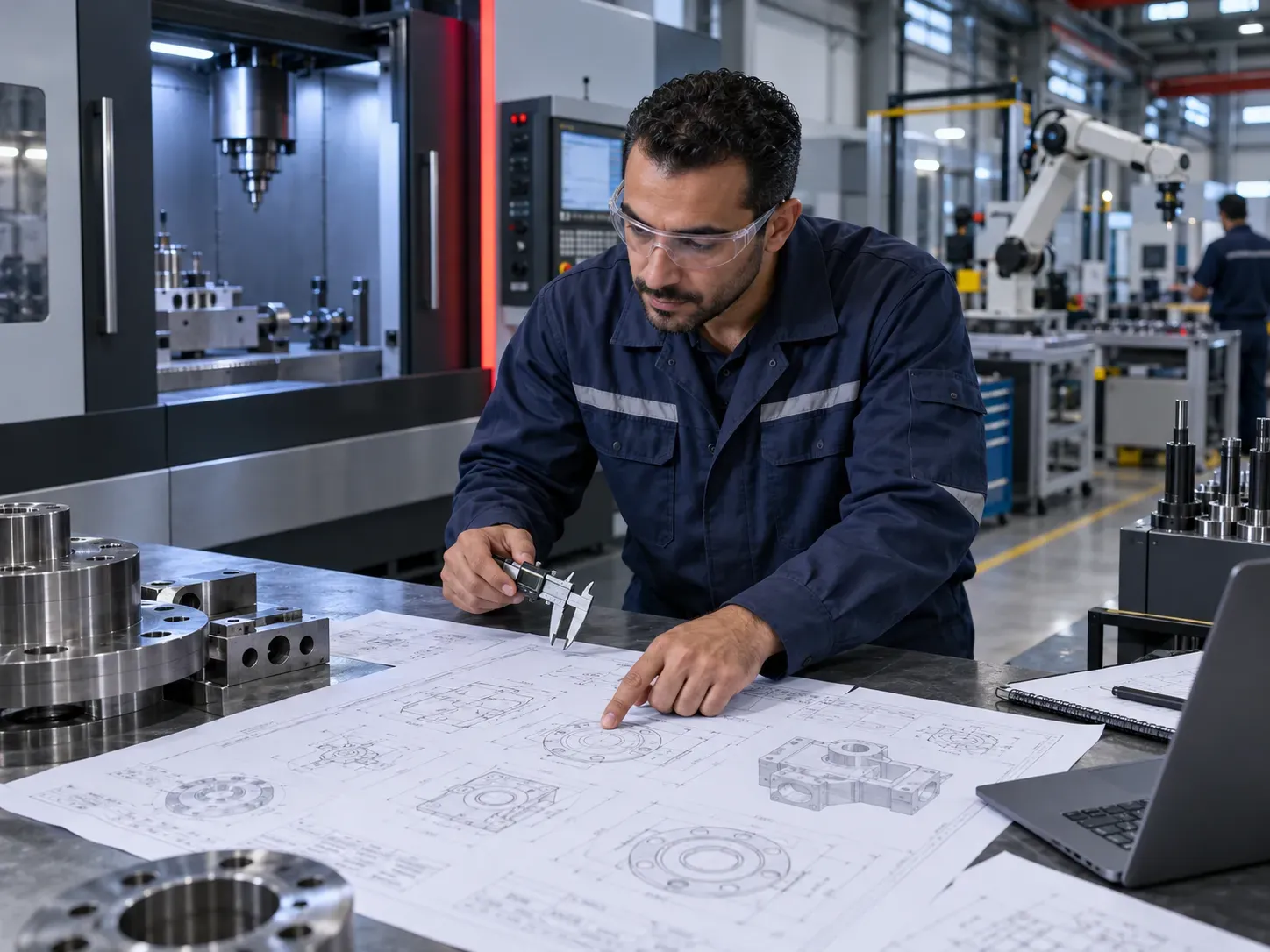
Define drawings, dimensions, materials, thicknesses, tolerances and batch size. The finished part determines the process, axes, workholding, automation and tooling.
Turn demand into operating numbers
Record current and target output per shift, cycle time, rejection, setup time and operating hours. These figures reveal whether a proposal removes the real production bottleneck.
Calculate total cost of ownership
Add freight, installation, training, tooling, software, energy, maintenance, spares, downtime and financing to the purchase price. A higher-priced machine can be less expensive over its working life.
Verify before contracting
Run a test on representative material and parts. Document supply scope, exclusions, warranty, acceptance criteria, training and post-delivery service.
Frequently Asked Questions
Should price drive the decision?
No. Compare application fit, total cost and support capability.
What should an RFQ include?
Drawings, material, dimensions, thickness, tolerances, output, utilities, budget and timing.
Why run a part trial?
It converts claims into measurable evidence on your real application.
Next Step
Share your part and capacity requirements with SAKKARY MACHINERY for a technical review and solution recommendation.
Need a machine, tooling or a service visit?
Request a price