Short Answer
Fiber laser selection starts with the material and thickness mix, sheet format, edge quality and output target. Power alone is insufficient; evaluate cutting head, gas, tables, software, extraction, automation and service.
Build a material matrix
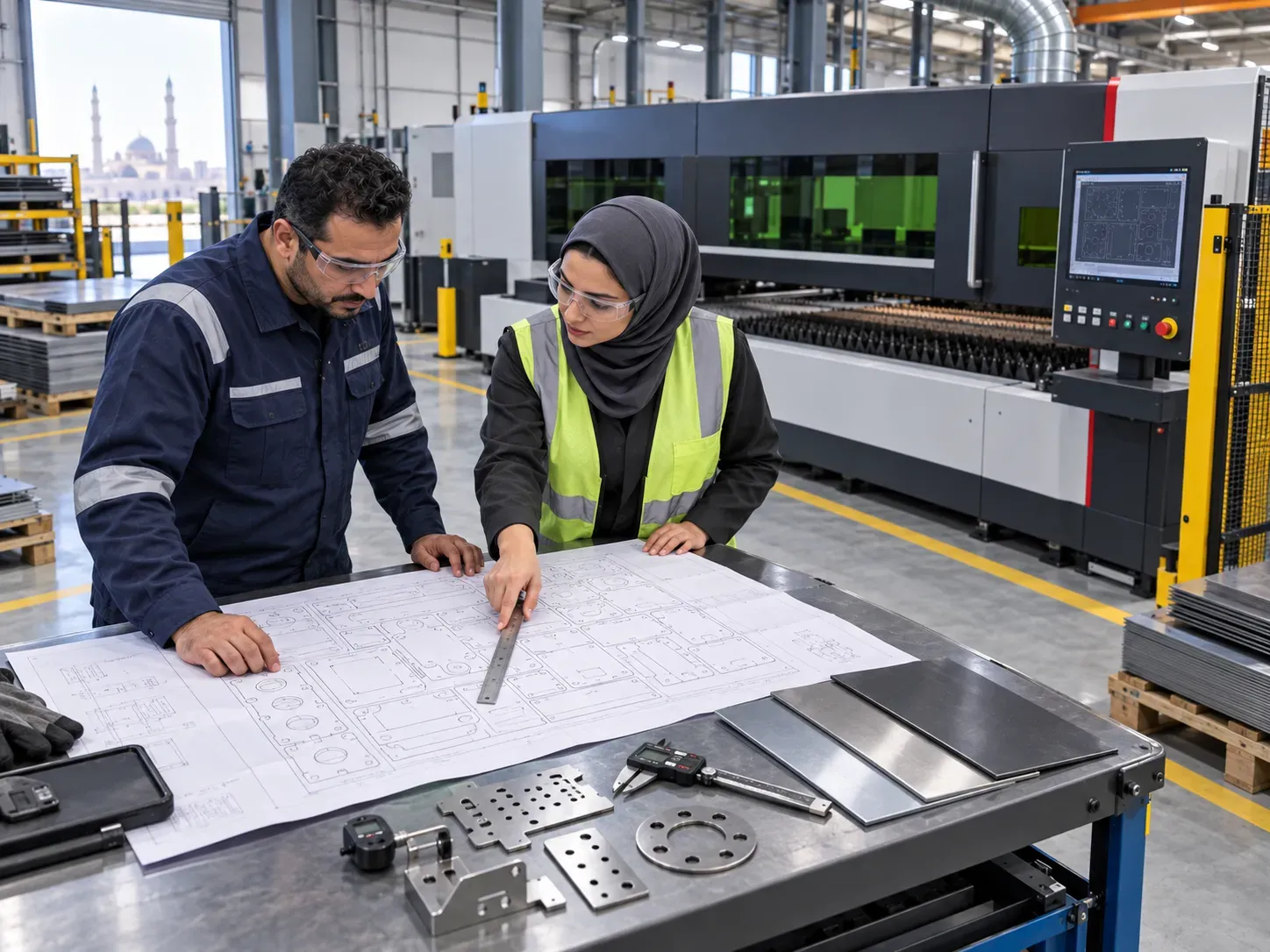
List each material, thickness and monthly share, plus part sizes and sheet utilization. This prevents buying power that does not serve the core workload.
Measure real output
Test your files including loading, piercing, cutting, unloading and sorting. Motion speed alone does not equal good sheets per shift.
Calculate cutting cost
Include gas, power, lenses, nozzles, maintenance, scrap, labor and downtime. Compare cost per good metre or part.
Prepare the site and support
Verify electrical supply, gas quality, air, cooling, extraction, safety and space. Document training, spares, service response and sample acceptance.
Frequently Asked Questions
Is higher power always better?
No. Power and configuration must match the thickness mix and output.
Why is nesting important?
It improves sheet utilization and reduces scrap when used correctly.
What should a trial measure?
Edge quality, piercing, process time, gas use and stability.
Next Step
Share your material, thickness and volume matrix for a fiber laser configuration review.
Need a machine, tooling or a service visit?
Request a price