Industrial Machine Operator Training: From Handover to Stable Production
1 min read
Short Answer
Successful training ends with documented ability to produce a real part safely and to quality, not simple attendance. Define competencies, practical tasks, pass criteria and post-startup coaching ownership.
Separate competencies
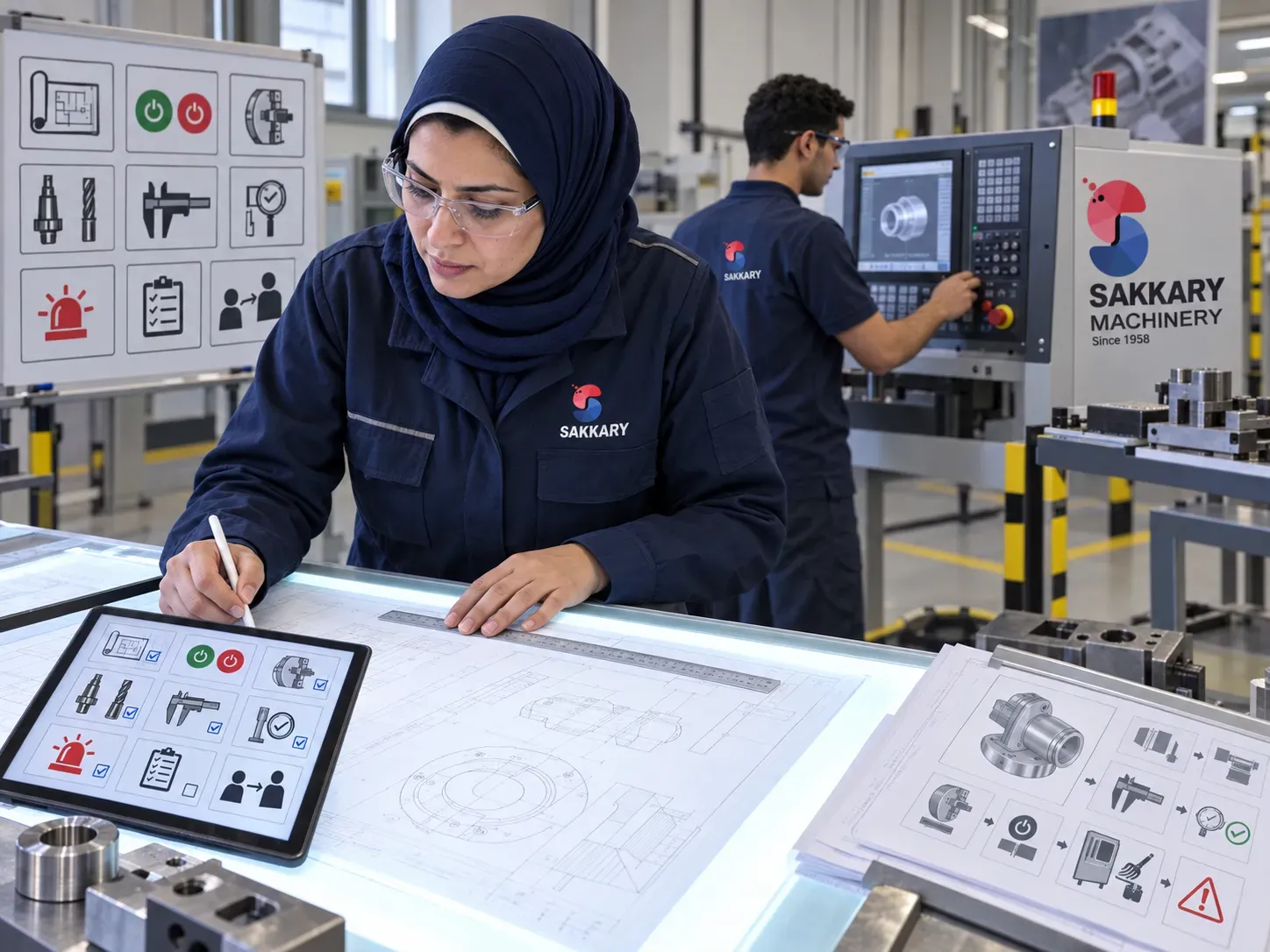
Start with safety and basic operation, then setup, tooling, programming or recipes, quality, daily care and alarm response. Do not mix all roles into one session.
Use real products
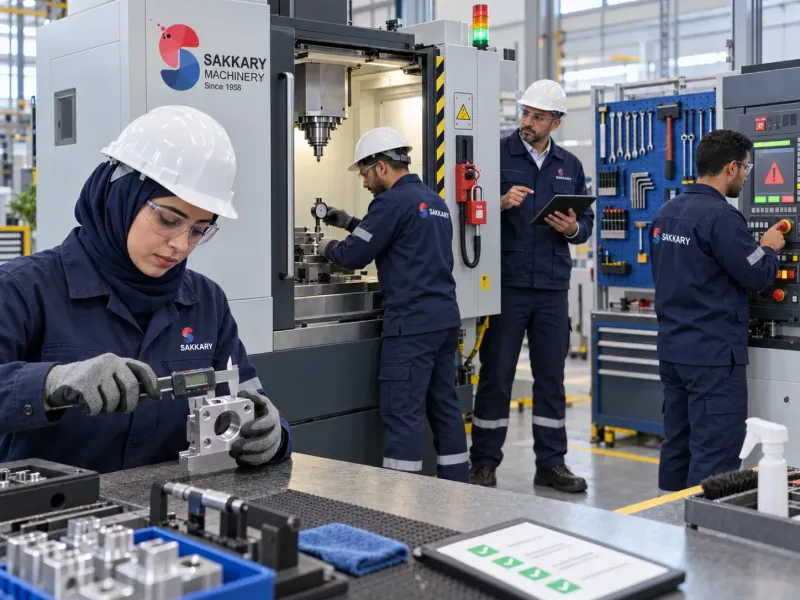
Select a representative product family and have trainees set up, run, measure and shut down. Record errors and retraining needs.
Assess competence
Use clear tests for safe operation, correct setup, alarm interpretation, quality checks and daily care. Passing is based on performance.
Retain knowledge
Store work instructions, approved programs and change records. Appoint a primary and backup operator, then review gaps after real production.
Frequently Asked Questions
Who should attend?
Operators, programmers, maintenance and quality staff as relevant.
How long should training take?
It depends on complexity and experience; competency is the criterion.
What is the key record?
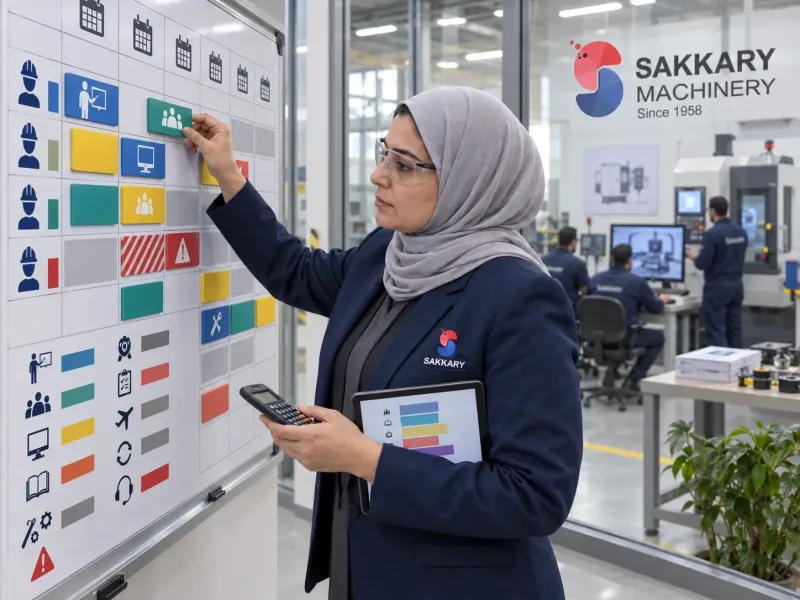
A skills matrix linked to practical tests and authorization.
Next Step
Set the training and authorization plan before delivery for a faster, safer ramp-up.
Need a machine, tooling or a service visit?
Request a price