Short Answer
A strong operator training proposal defines entry competence, learning outcomes, the exact machine and control, safe limits, supervised practice, assessment, records and post-training support.
Scope drives cost
Separate orientation, safety, startup and shutdown, workholding, tooling, program or job setup, quality checks, routine care, alarms and escalation. Tailor the syllabus to the machine, application and operator role.
Evidence requires resources
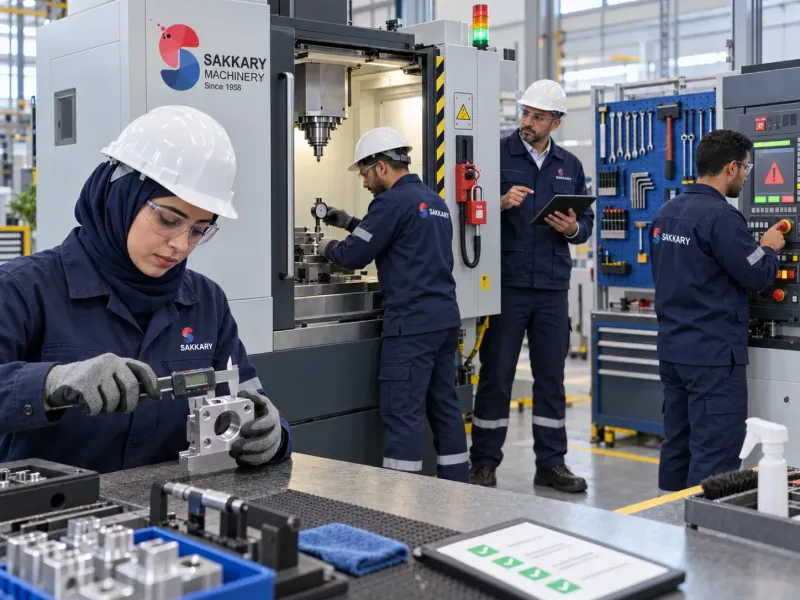
Require a named trainer, current material, attendance, practical exercises on representative work, assessment criteria and a competency record. A presentation alone does not prove operating ability.
Acceptance prevents hidden rework
Each operator should demonstrate the approved tasks under supervision, recognize stop conditions, produce or inspect a representative result and know when to escalate. Record gaps and the refresher plan.
Build the total-cost view
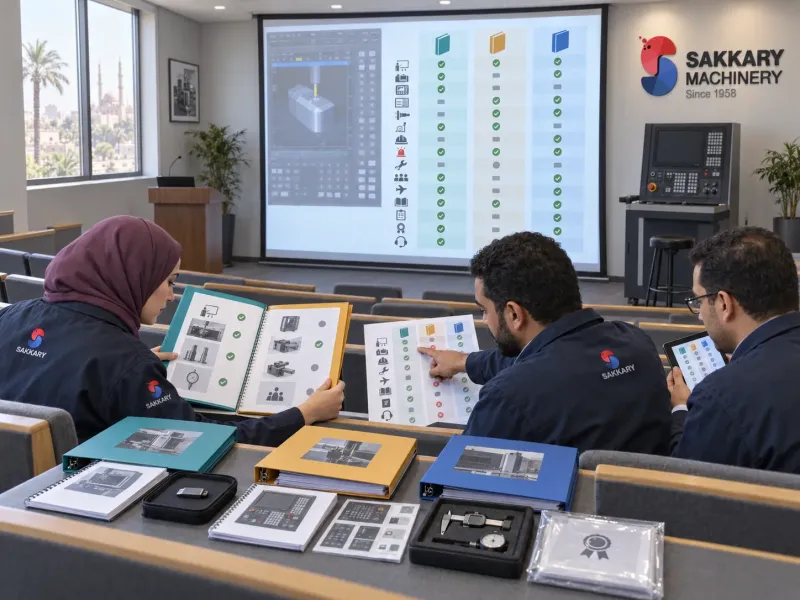
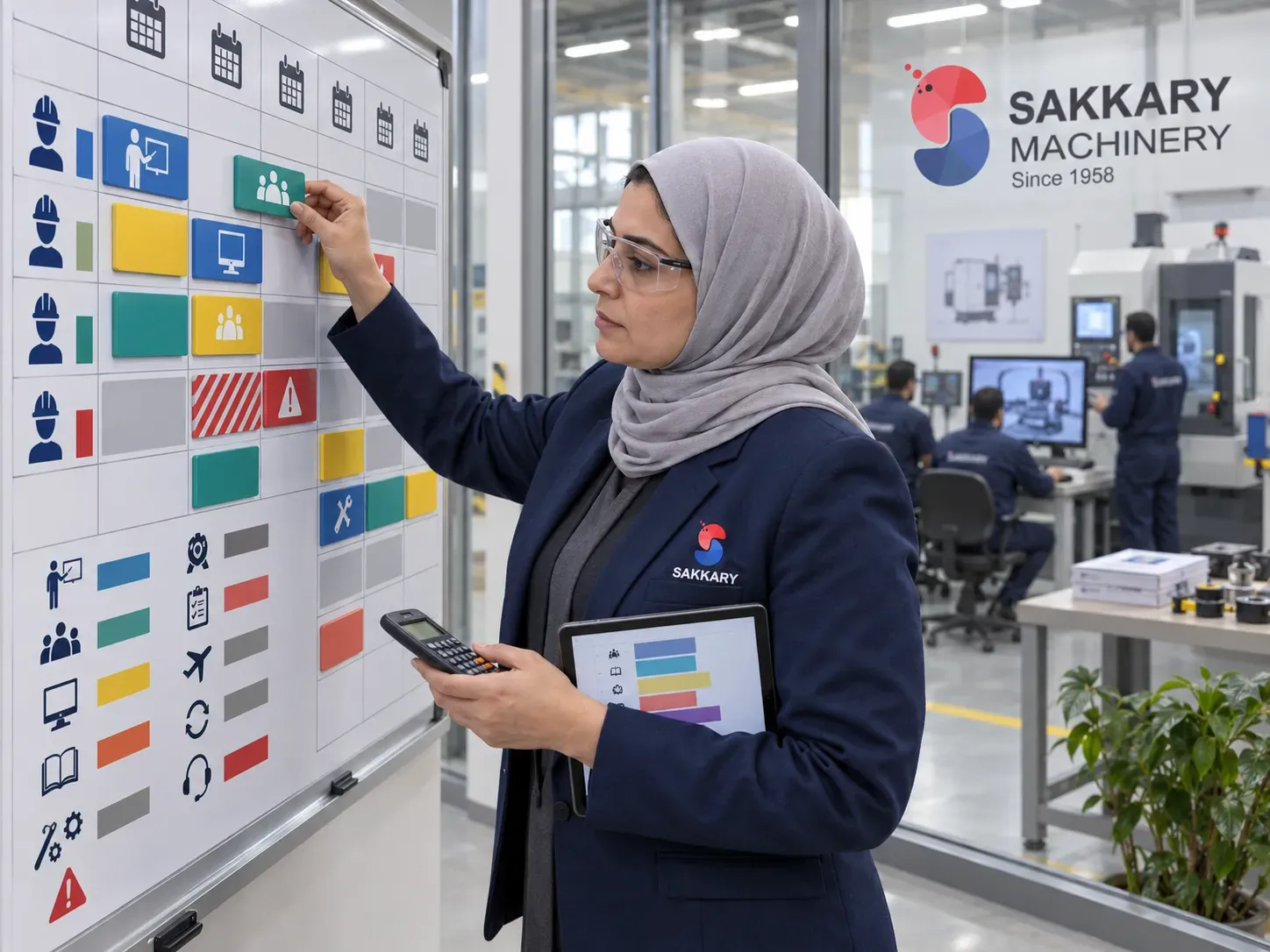
Compare preparation, trainer days, machine downtime, materials, tooling, travel, translation, assessment, manuals and follow-up. The cheapest course can be costly if production restarts without verified competence.
Price the risk
Training does not transfer authorization beyond the approved role or replace the manufacturer manual and site safety rules. Control access to programs, parameters and maintenance functions.
Frequently Asked Questions
What should be fixed before proposals are compared?
The required scope, evidence, acceptance result, exclusions, owner and review date.
Is the lowest price automatically the best option?
No. Compare total cost, operational risk and the ability to prove the required outcome.
What is the next practical step?
Share the machine, control, operator count, current skill level and target jobs for a scoped training plan.
Next Step
Share the machine, control, operator count, current skill level and target jobs for a scoped training plan.
Need a machine, tooling or a service visit?
Request a price