Define ROI clearly
A basic accounting-style ROI is (net gain attributable to the investment ÷ investment cost) × 100. Define the time period and whether net gain is before or after tax, financing and depreciation. ROI is different from payback period and net present value (NPV).Calculate incremental benefit
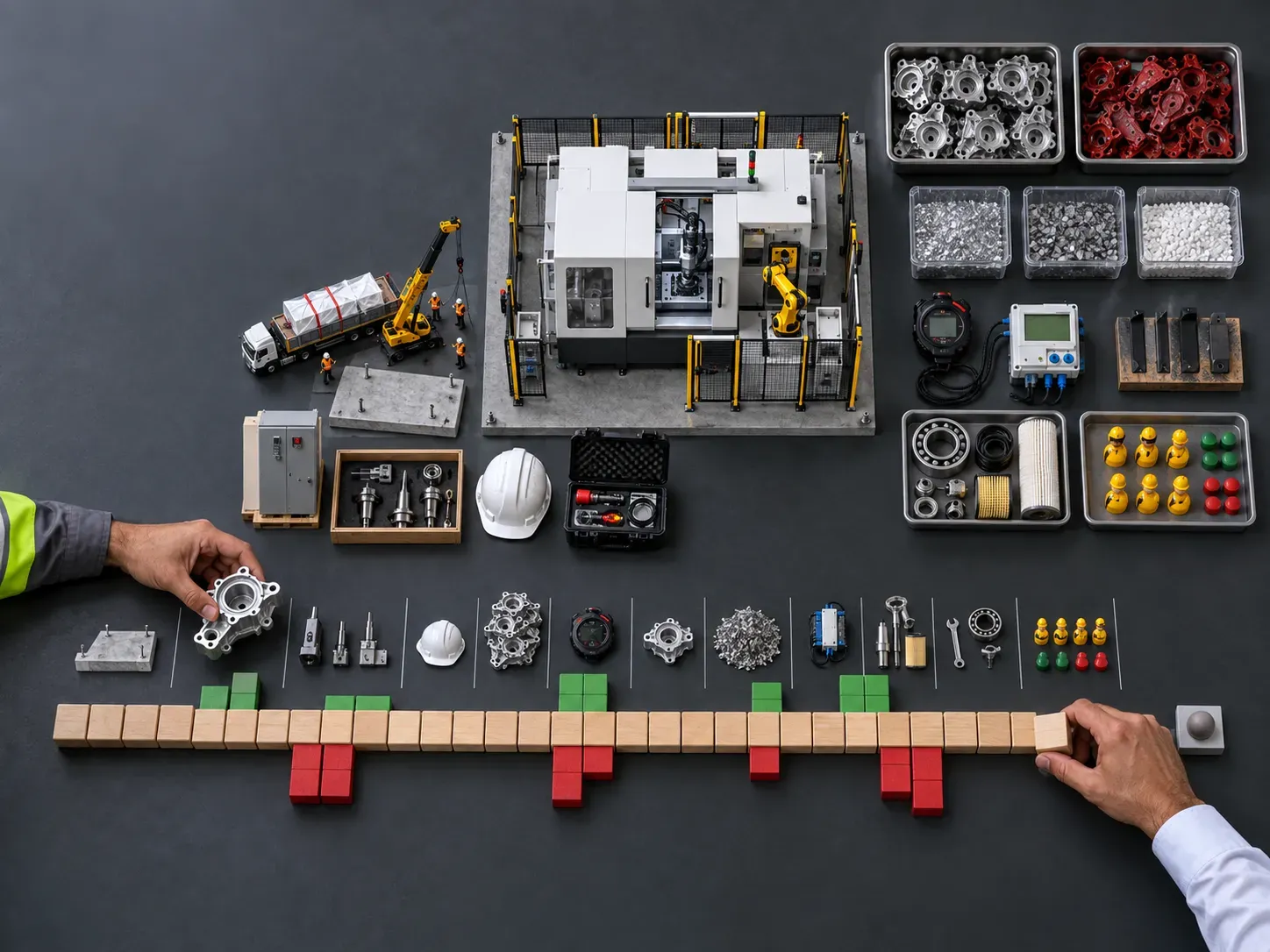
Compare the factory with and without the new machine. Estimate incremental contribution from additional saleable output, avoidable subcontracting cost, scrap reduction and demonstrably saved labor or overtime. Subtract incremental operating, maintenance, tooling, energy and quality costs. Do not count revenue as profit.Build the investment base
Include delivered machine price, tooling, software, factory modifications, installation, commissioning and initial training, plus working capital where material to the decision. Compare financing cash flows separately and consistently.Illustrative example
Assume EGP 3.0 million initial investment and EGP 1.5 million incremental annual cash benefit before recovering initial CAPEX for four years (illustrative only). Total undiscounted benefits are EGP 6.0 million, less the EGP 3.0 million initial investment, so simple four-year ROI is 100% using that definition. This does not account for tax, discounting, residual value or uncertainty; calculate NPV and cash payback separately.FAQ and decision checklist
Can higher production equal higher ROI? Only if demand, capacity, quality and contribution margin support sales. Which assumptions matter most? Utilization, good-part yield, selling contribution, machine hours, maintenance and downtime. SAKKARY MACHINERY can assist with technical assumptions subject to the verified machine configuration.Need a machine, tooling or a service visit?
Request a price