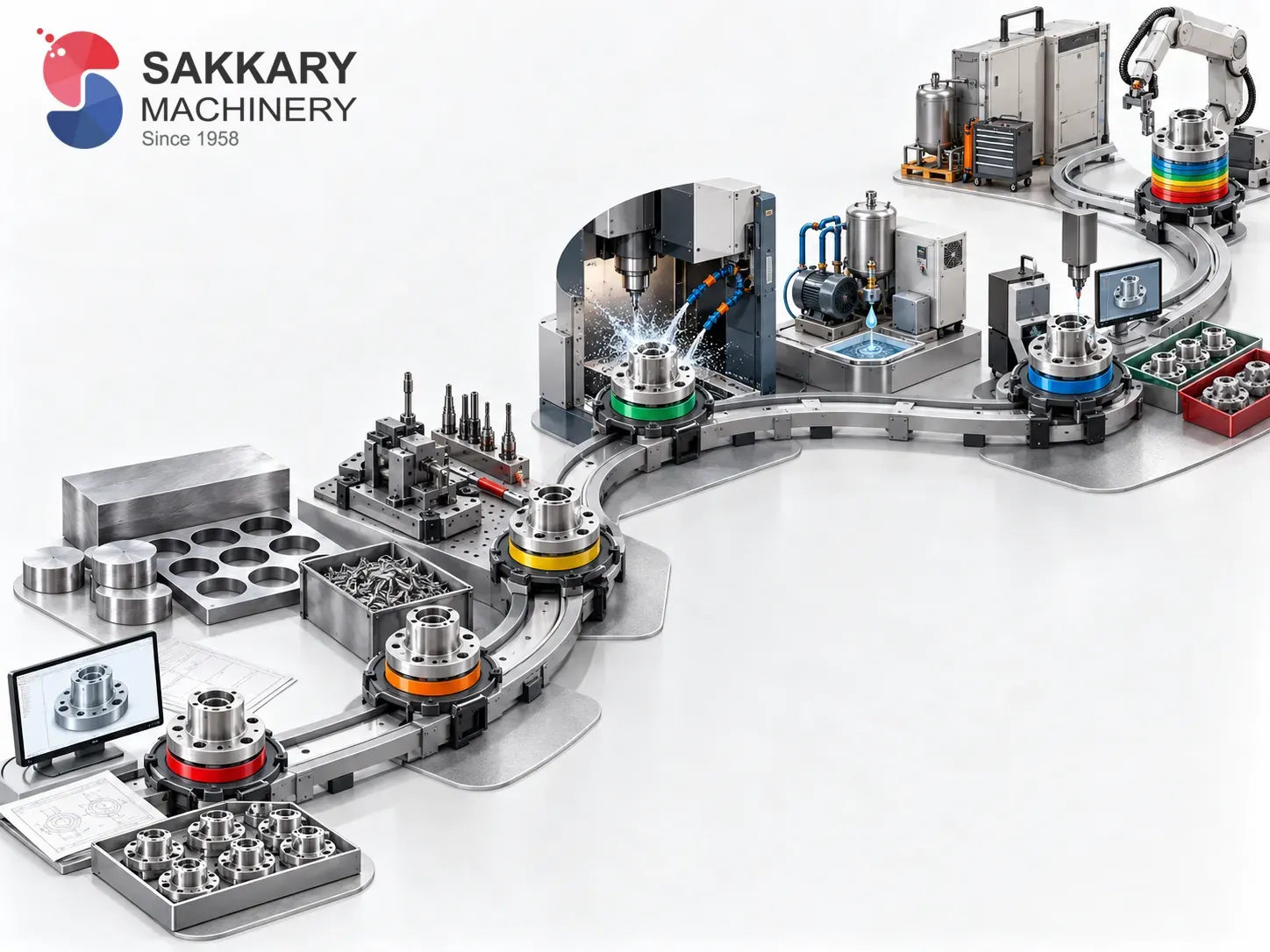
Why this matters
Cost per part converts the production process into a unit-cost model. The calculation should use real material consumption, productive cycle time, setup allocation, tooling, labor, scrap, quality and relevant overhead assumptions.
A practical decision framework
Start with verified project data: the product, process flow, required quality, target good output, operating hours and site conditions. Separate confirmed facts from assumptions, and use the same basis when comparing alternatives.
Key inputs
A practical unit-cost model starts with material usage and good output, then adds productive cycle time, setup allocation, tooling, labor, scrap, inspection and relevant overhead.
What to include in the calculation or review
Use current supplier data and actual factory assumptions. Include the items that materially affect the decision, document exclusions, and test conservative, base and growth scenarios instead of relying on one optimistic number.
Common mistakes
Common errors include using theoretical capacity instead of saleable output, ignoring setup and ramp-up, omitting utilities or lifecycle costs, mixing assumptions with verified facts, and comparing alternatives on different scopes.
Before making the decision
Review the model with production, technical and finance stakeholders. Update variable prices, tariffs, financing terms and supplier quotations at the date of decision. For machinery, confirm the actual model manual, supply scope and acceptance criteria.
Frequently asked questions
Should one number be used as the final answer? No. Industrial decisions are stronger when the main assumptions are tested as ranges and scenarios.
Can SAKKARY MACHINERY help? SAKKARY MACHINERY can support the technical side of process definition, machinery selection, capacity planning, installation, training and lifecycle support based on verified project requirements.
Need a machine, tooling or a service visit?
Request a price