Blog Maintenance & Technical Support
Preventive Maintenance for Industrial Machinery: A System, Not a Calendar
1 min read
Short Answer
Effective preventive maintenance links specific tasks to machine condition, operating hours and criticality, with an owner, due date, inspection result, escalation and spares. A calendar alone is insufficient without documented closure and failure analysis.
Classify criticality
Rank machines by safety, production, quality and delivery impact, backup availability and repair time. Allocate more control to critical assets.
Turn manuals into a plan
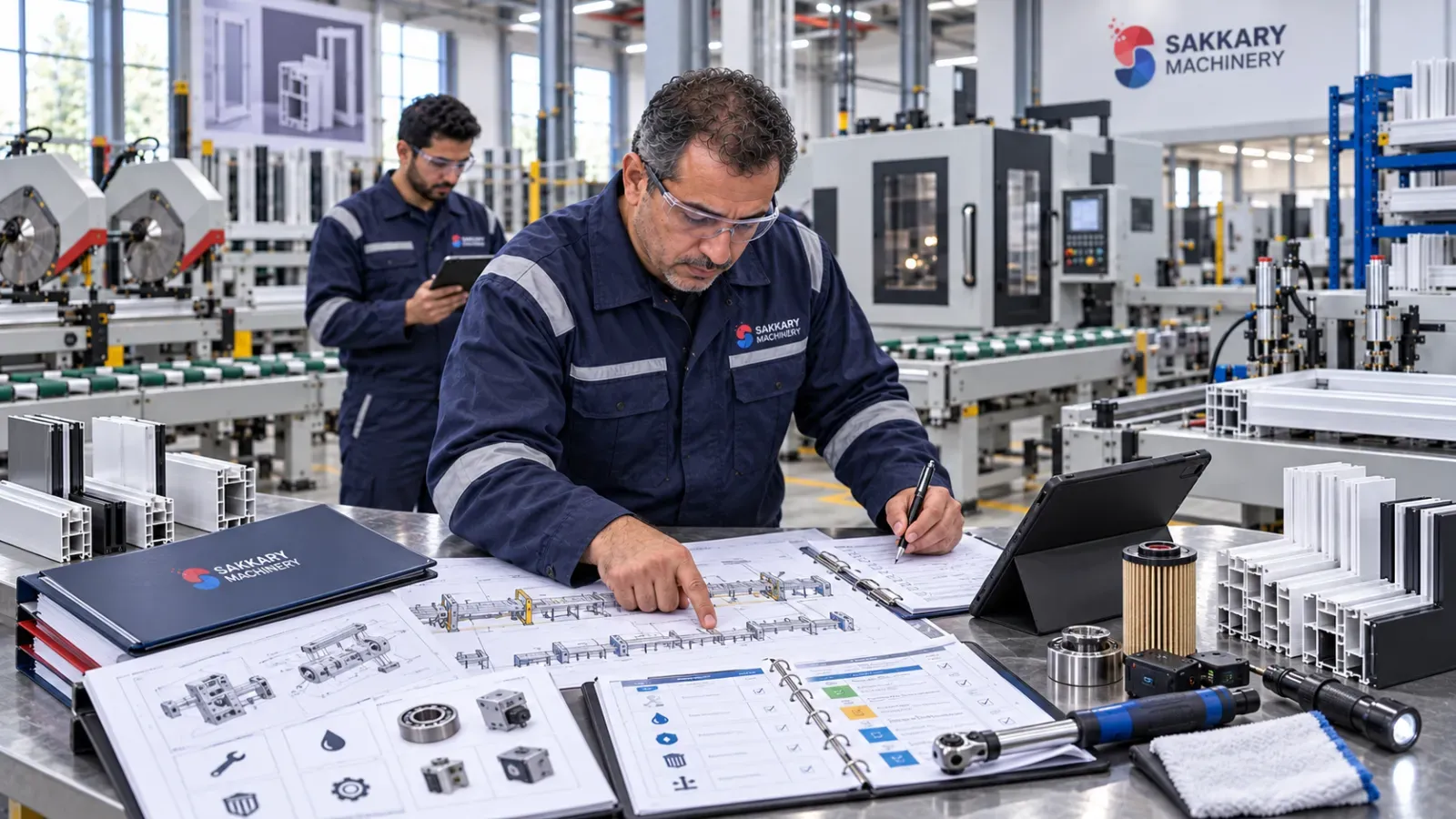
Extract cleaning, lubrication, inspection, adjustment and replacement tasks with frequency, tools and acceptance criteria. Adapt under manufacturer guidance and operating conditions.
Close with evidence
Every task needs a reading, image or result, responsible technician and notes. Out-of-limit findings become work orders with dates and escalation.
Track outcomes
Monitor on-time PM, failures between inspections, MTBF, MTTR, repeat failures and production downtime. The goal is risk reduction, not more forms.
Frequently Asked Questions
Does PM prevent every failure?
No. It reduces risk and detects deterioration earlier when well executed.
Who owns the plan?
A named maintenance owner coordinated with production, safety and the supplier.
How is it different from daily checks?
Daily checks are one layer; the program includes periodic work, analysis and escalation.
Next Step
Request a review of the maintenance plan and failure history for priority machines.
Need a machine, tooling or a service visit?
Request a price